





What happens when Spanish culinary royalty lands in a city that already knows how to eat well? Next-level enjoyment, that’s what.
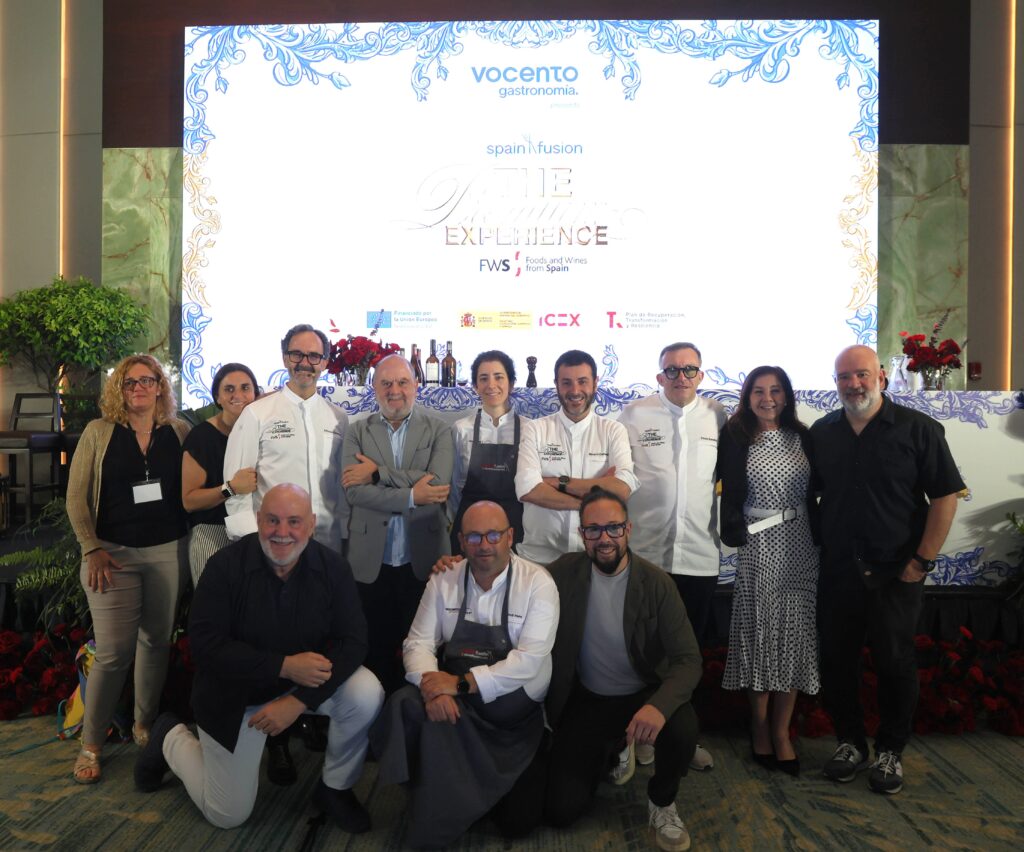
The recently concluded Spain Fusion: The Premium Experience—presented by Vocento Gastronomía and sponsored by Foods & Wines From Spain—at the The Westin Manila was an all-out sensory treat. Being a Spanish national born and raised in Manila, I’m used to the cultural tug-of-war, sure. But at the event, it finally felt less like a pull in opposite directions or straddling two cultures, and more like cruising across a bridge built out of Michelin stars, cool-climate whites, high-altitude reds, and liquid gold.
The culinary heavyweights set the tone and turn up the heat
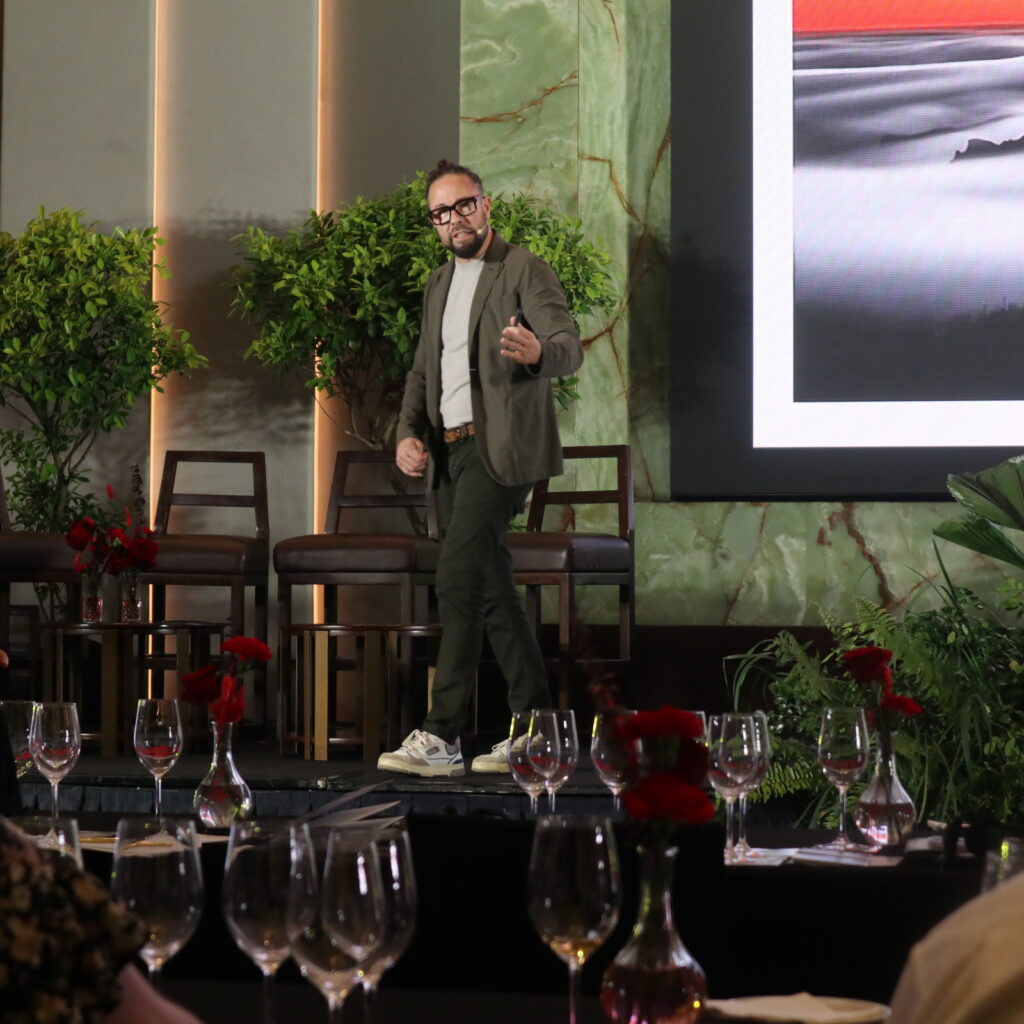
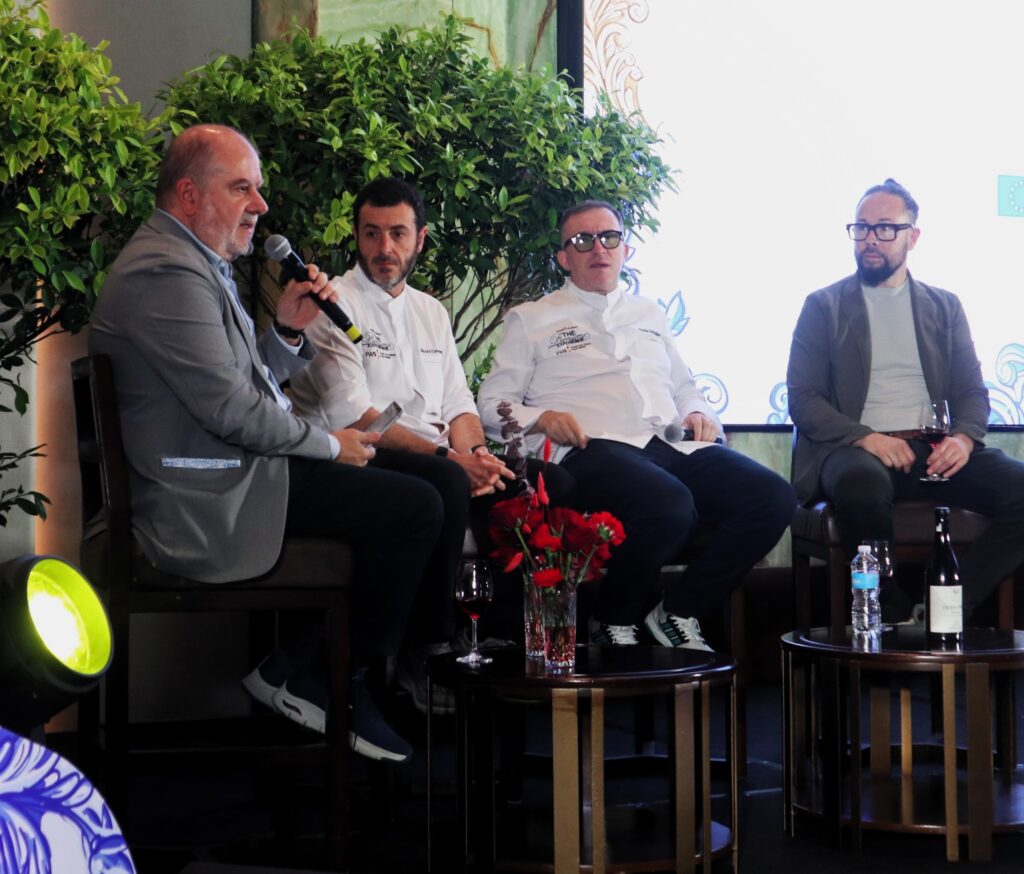
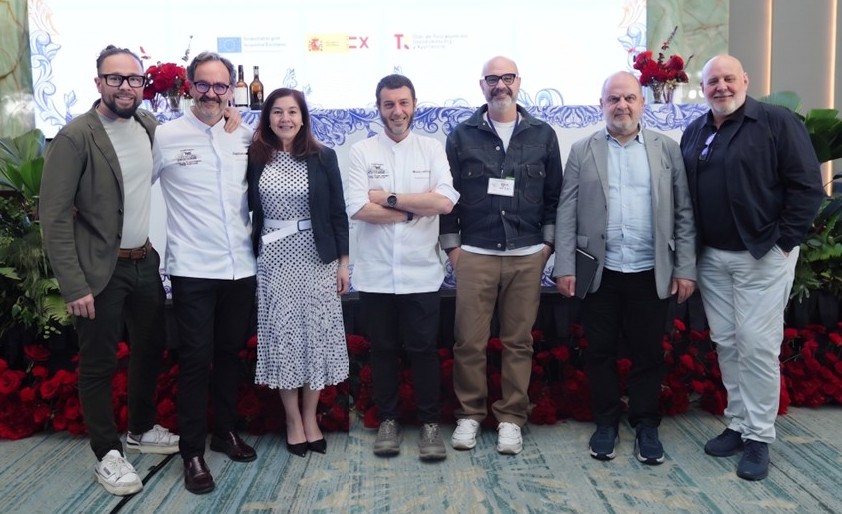
The room filled quickly, and the lineup of heavyweights set the temperature, turning up the heat for what Spanish gastronomy looks like right now. These are culinary geniuses whose influence on Spanish gastronomy is anything but casual.
The Masterminds: Benjamín Lana (Director General of Vocento Gastronomia and Director of Madrid Fusion, widely considered one of the most influential culinary summits in the world) and Alfonso Fernández, a self-professed “food fetishist” and leading voice in premium Spanish olive oil, kicked things off, proving that gastronomy is a soft form of diplomacy that actually works. Between them, you’ve got serious institutional weight and deep product expertise—aka the guys who don’t just talk about food, they shape how the world consumes it.
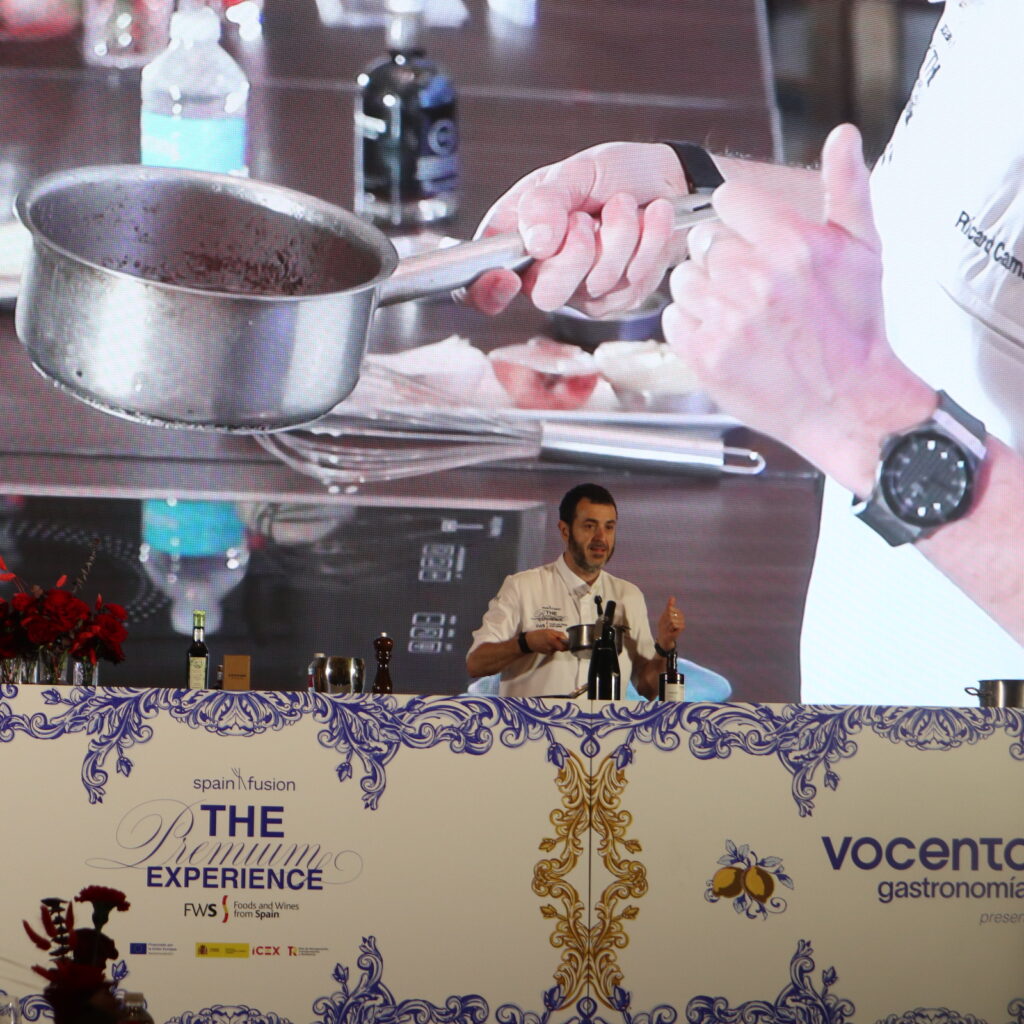
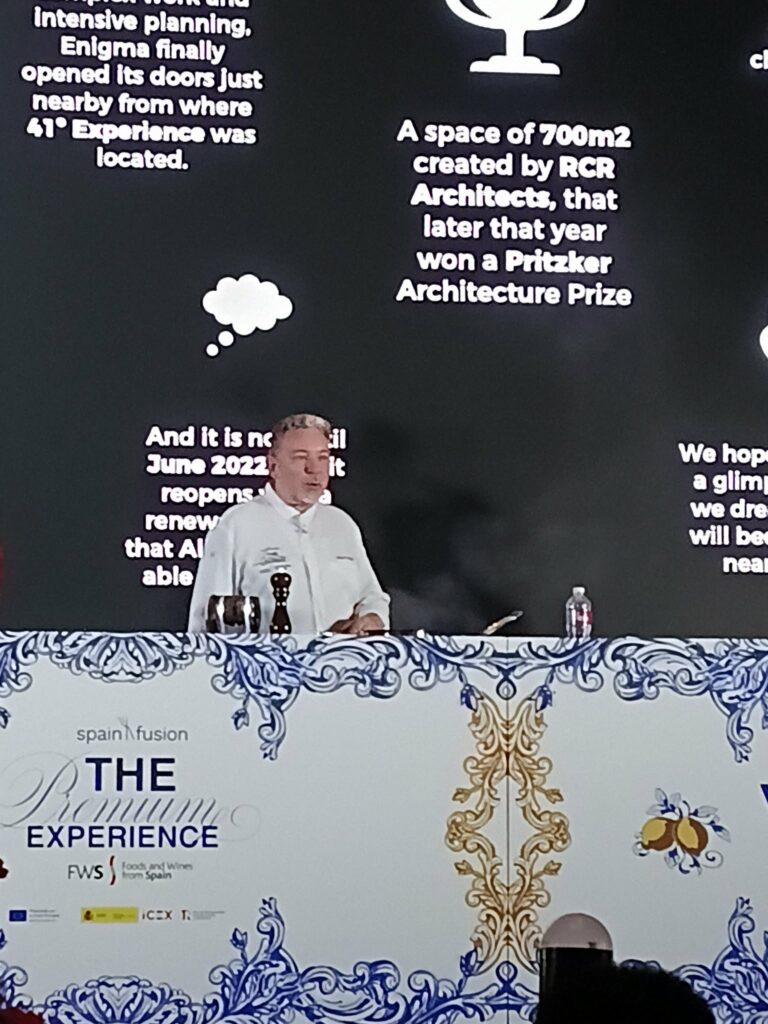
The Heavy Hitters: Ricard Camarena, whose eponymous Valencia-based restaurant holds two Michelin stars and a reputation for elegant, produce-driven cooking, and Albert Adrià (yes, that Adrià), former creative force behind the legendary El Bulli and now the chef-owner of the two-Michelin-starred Enigma in Barcelona, showed us that “cooking beauty” and the sea are basically religions in Spain. This wasn’t just technique on display—it was philosophy, precision, and years of redefining what modern Spanish cuisine even means.
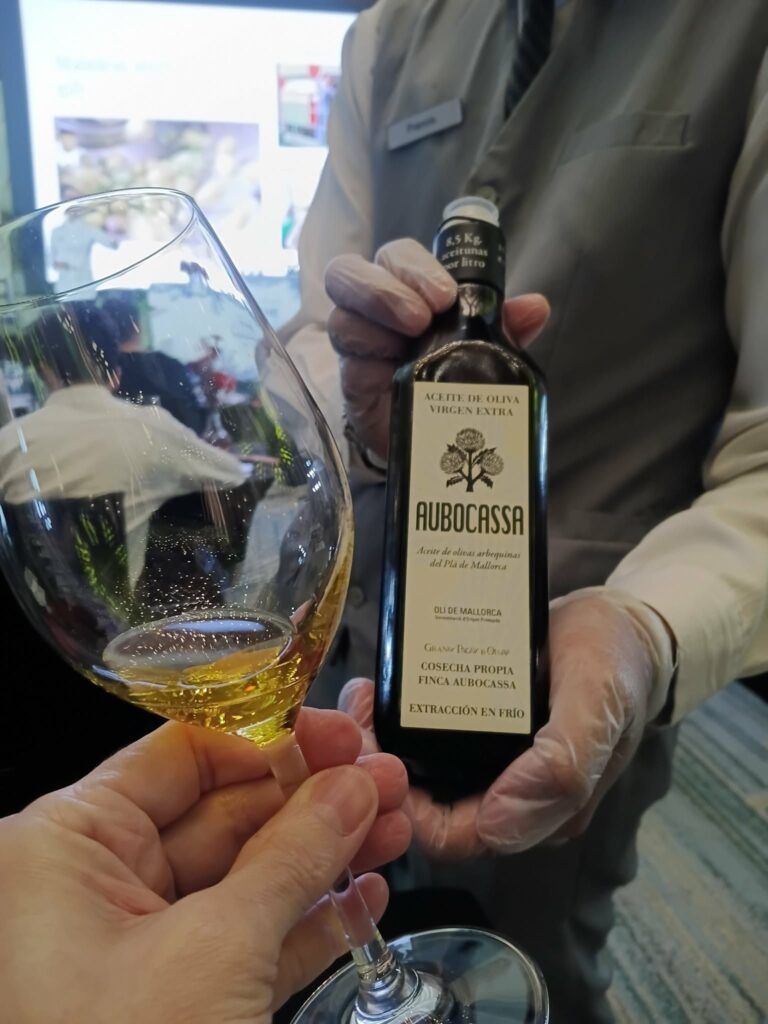
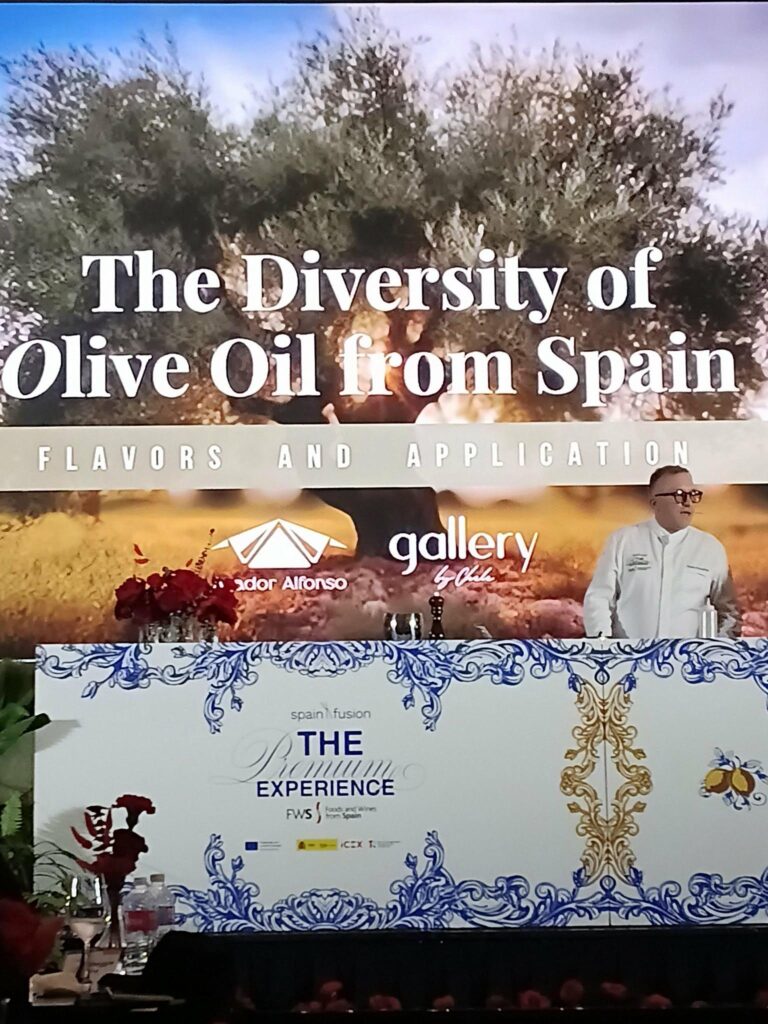
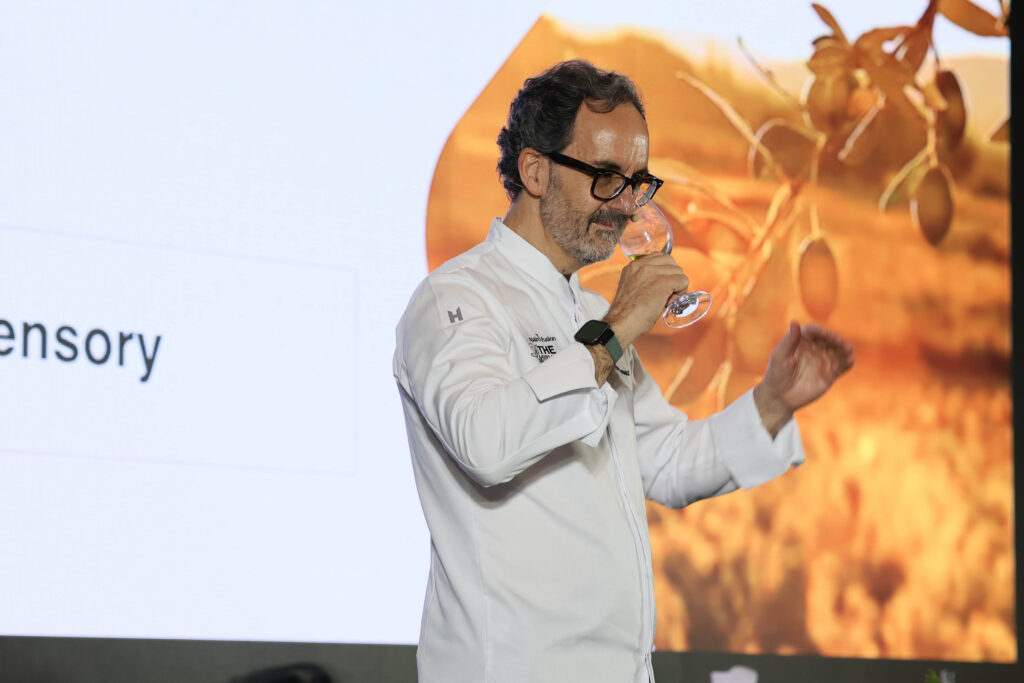
The Liquid Gold: Rosa Vañó, founding partner of Castillo de Canena—one of Spain’s most awarded premium olive oil producers—and Alfonso Fernández turned olive oil into a spiritual experience. I’ve been treating EVOO like a topshelf condiment; apparently, it’s a revered lifestyle. When you hear them break down harvest timing, terroir, and flavor profiles with the same intensity as wine, you realize this is an entire gastronomic universe we’ve been underestimating.
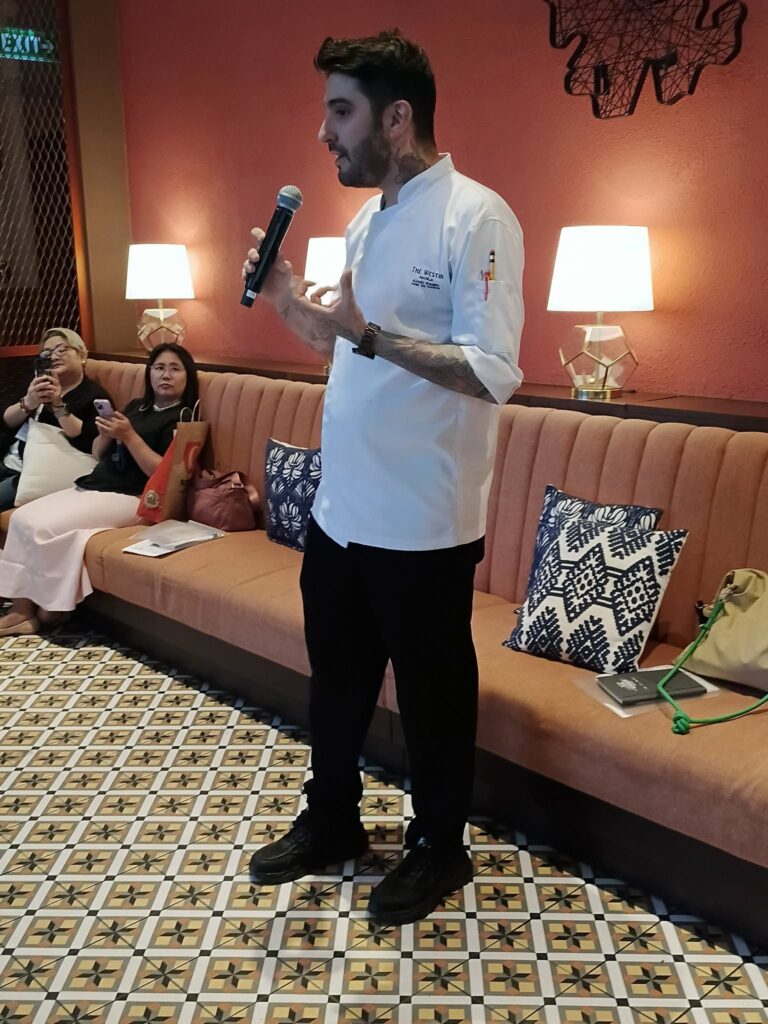
The Local Legend: Chele Gonzalez, the Spanish-born chef behind the Michelin-starred Gallery by Chele in Manila, reconfirmed why the city’s food scene is punching way above its weight class—holding its own alongside some of Spain’s best without missing a beat. Chef Chele is a bridge-builder, moving effortlessly between Spanish technique and Filipino context in a way that feels completely unforced. He’s not just representing Manila; he’s actively shaping how Filipino cuisine is perceived on a global stage.
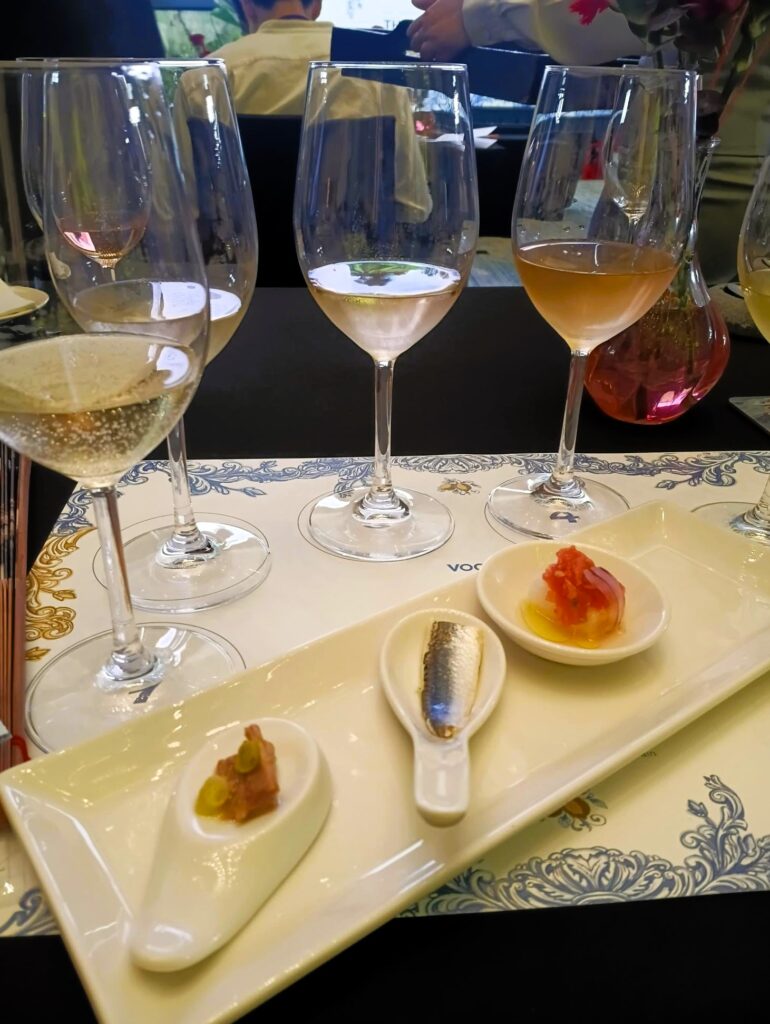
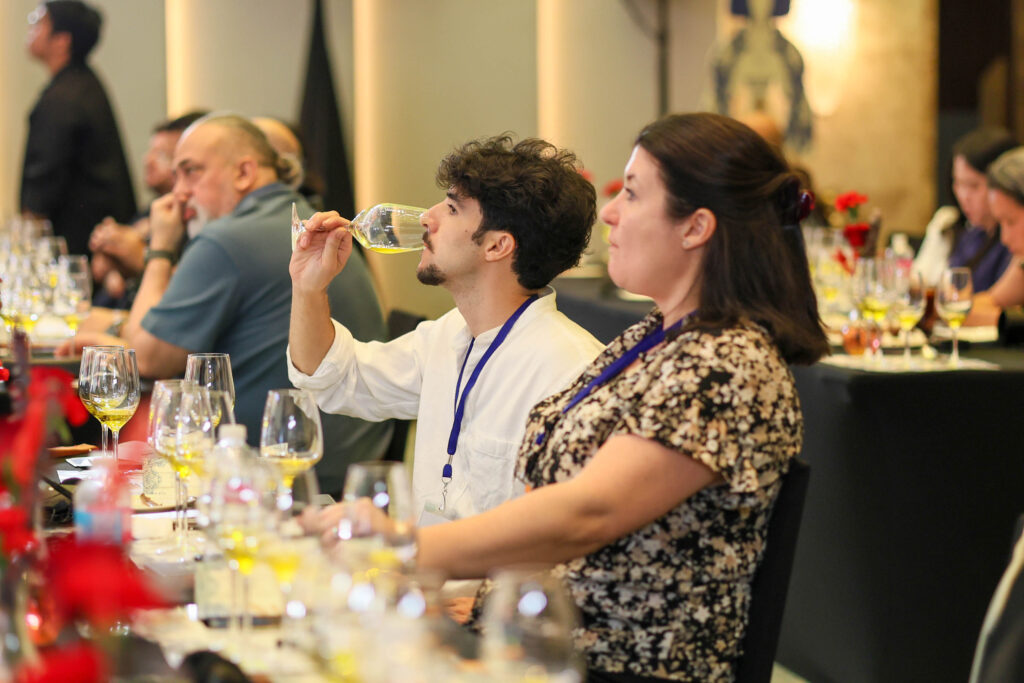
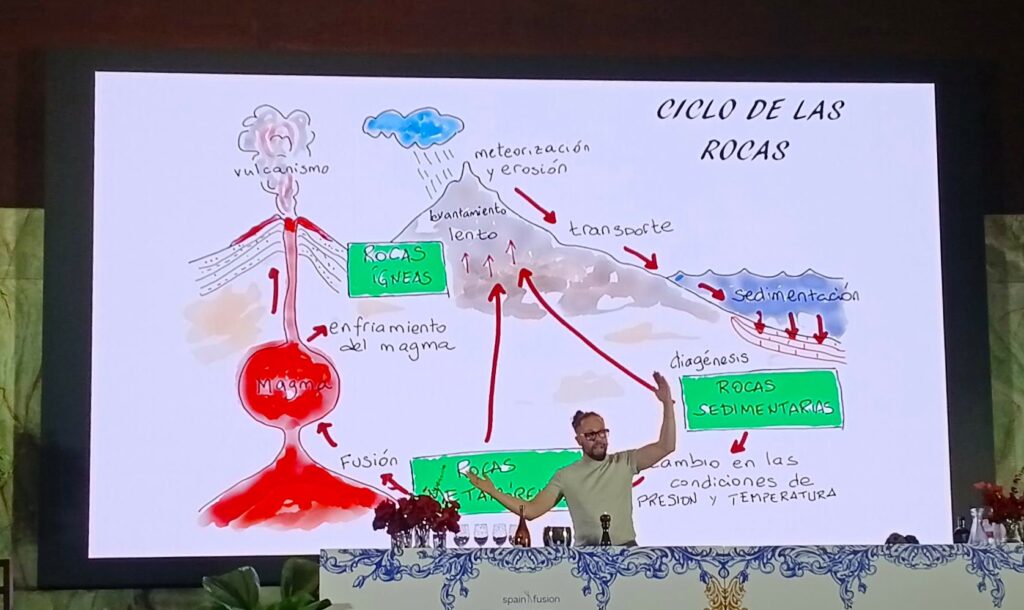
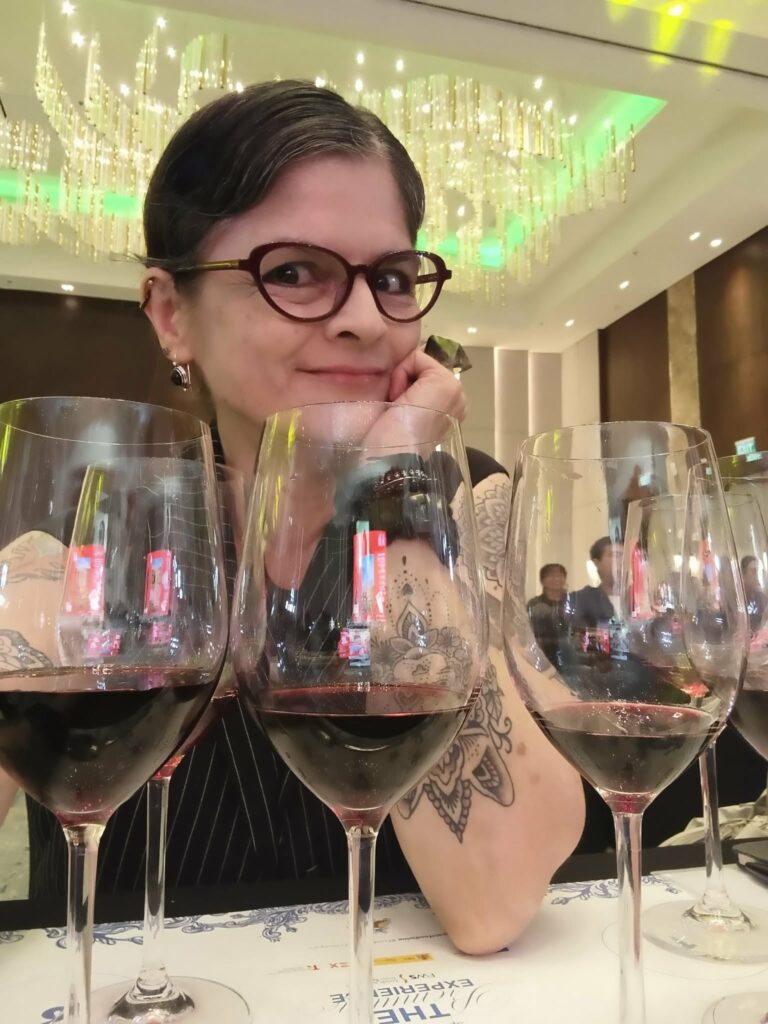
The Wine Whiz: Fernando Mora (Master of Wine—aka one of the most rigorous and rare titles in the industry) led us through six whites and six reds during the formal sessions, plus maybe four or five more throughout the event (whew!). Those cool-climate whites and high-altitude reds were a total revelation—crisp, elegant, and lightyears away from the “dusty” stereotypes. For the record (and for a little humor): I didn’t get my wine via a 16th-century Galleon Trade clay pot or a leaky wooden cask. This is the “New Spain” movement—modern, complex, and free of 16th-century perils.
But beyond the name-dropping (and yes, the room was stacked), this wasn’t just a flex. Spain Fusion: The Premium Experience—an international gastro showcase backed by the Spanish government—has been making global stops for years, positioning Spanish ingredients and talent in markets that already appreciate good food but are ready for more. Manila, clearly, was overdue.
The ingredients that carry the story
If the personalities set the tone, the ingredients were the narrative.
This was where Spain Fusion stopped being a simple stage program and started feeling like a very deliberate, delicious message about what Spanish gastronomy is built on right now: restraint, precision, and an almost stubborn refusal to overcomplicate what already works.
On one side, you had Fernando Mora MW laying out the “New Spain” wine philosophy—less about nostalgia, more about clarity. As he put it on stage, “In Spain we do not copy, we produce unique whites.” It wasn’t just a slogan on a screen; it framed everything that followed in the glass. Speaking about the uniqueness at the heart of the New Spain movement, Mora also pointed out that it’s: “Not a dominant grape. Not a dominant style. Not a dominant identity. Not an old tipicity concept.” These weren’t heavy, overly extracted profiles trying to make a huge impression on first sip. The cool-climate whites and high-altitude reds were lean, structured, and very intentional—wines that don’t shout, but absolutely don’t fade either. Mora’s whole point, delivered through glass after glass, was that Spain has quietly but confidently moved from tradition-as-expectation to precision-as-identity.
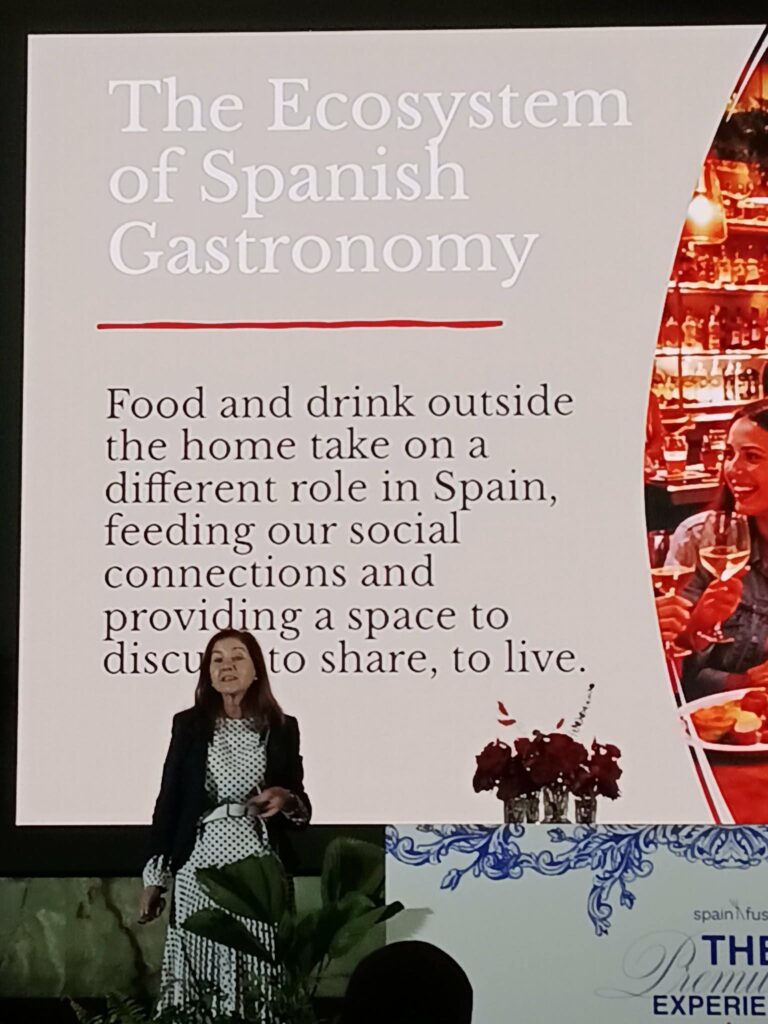
And then there was olive oil, which—if we’re being honest—deserved its own main stage. Rosa Vañó didn’t talk about olive oil like a supporting ingredient. She framed it as infrastructure. As part of Spain’s daily language. The accompanying slide made it even clearer: “The Ecosystem of Spanish Gastronomy” followed by the line, “Food and drink outside the home take on a different role in Spain, feeding our social connections and providing a space to discuss, to share, to live.” That’s the thesis right there. Not just what Spaniards eat, but how eating itself functions as social architecture.
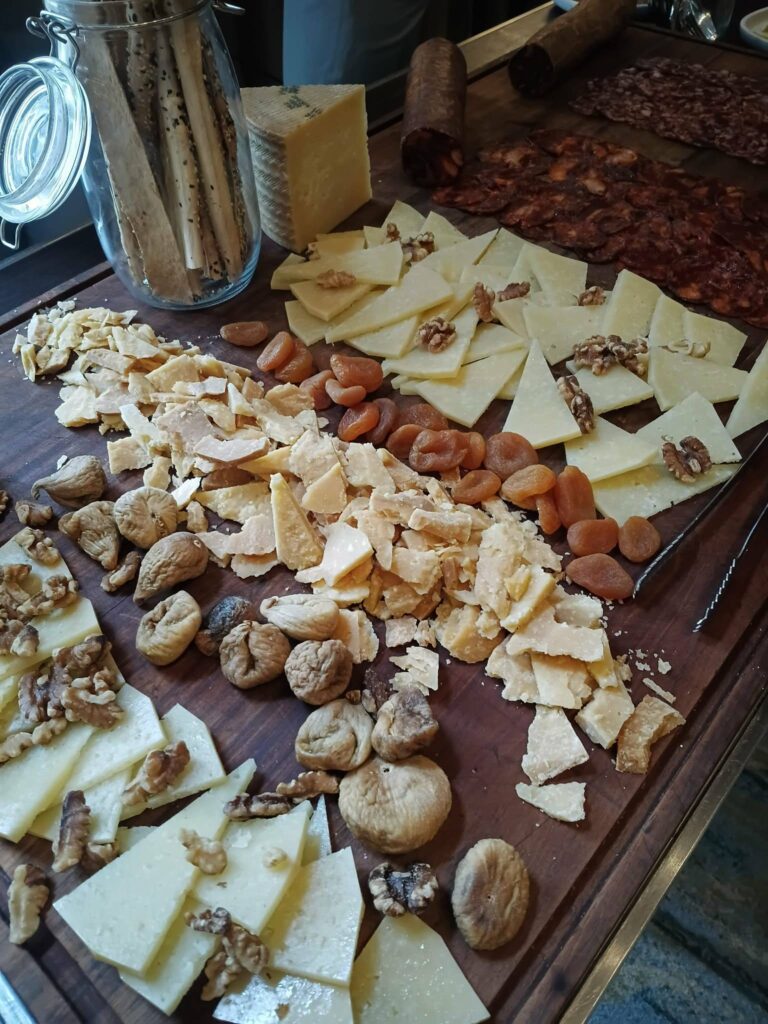
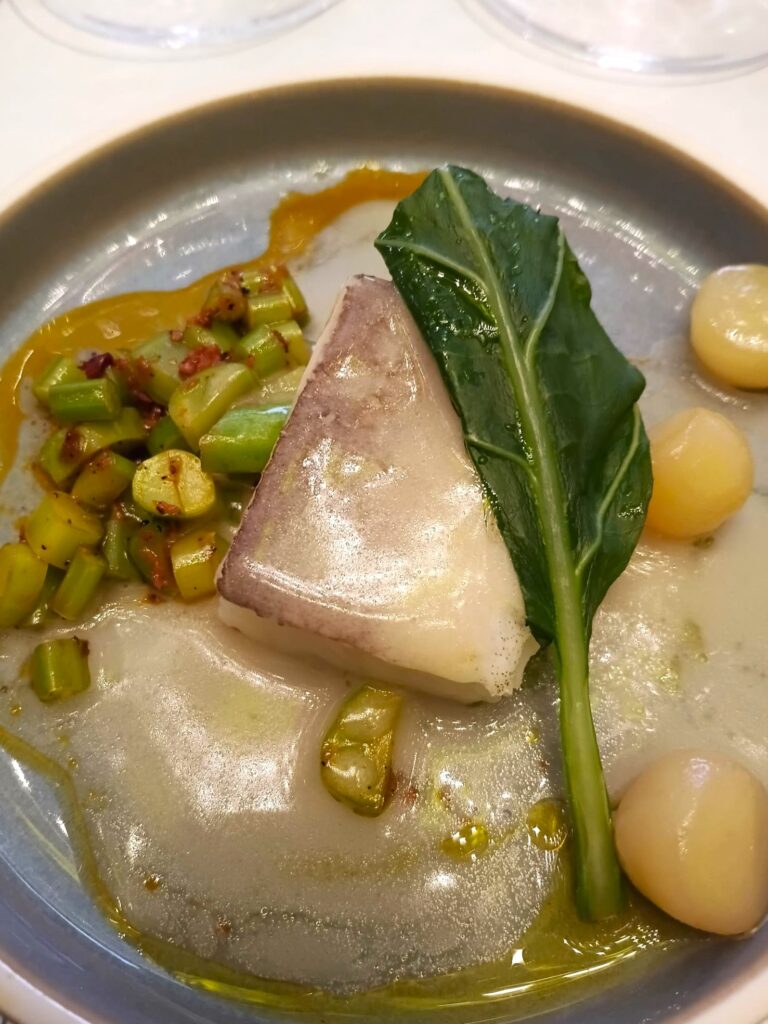
And then there’s seafood—the strong backbone that props the whole culinary scene and announces itself deliciously without ever needing a overly dramatic entrance. From coastal Galicia to the Mediterranean edge, seafood in Spanish cuisine isn’t treated as luxury garnish. It’s baseline. It’s technique-meets-terroir. It’s why chefs like Ricard Camarena and Albert Adrià can speak about “cooking the sea” without it sounding poetic for the sake of it. It’s literal. It’s structural. It’s where simplicity and obsession meet—grilled, cured, barely touched when it doesn’t need touching, and pushed only when precision demands it.
Put all of this together and you start to see the architecture of the day: wine defining precision, olive oil defining culture, seafood defining geography. Nothing merely ornamental. Everything doing work. And through it all, the very social heartbeat of Spanish gastronomy keeps every element in connection and conversation—something that echoes loudly with the Filipinos’ love of shared meals, lively gatherings, and food as a way to relate with one another.
A shared history that runs deeper than the menu
And of course, none of this lands in Manila without context.
In 2026, the Philippines and Spain will mark 79 years of formal bilateral relations. While the historical colonial period stretched over 300 years, modern diplomatic ties between the independent Republic of the Philippines and the Kingdom of Spain were formally established on September 27, 1947.
Which is why moments like Spain Fusion don’t feel like imported spectacle—they feel like continuation, just in a different register. The language has changed, the power dynamics have evolved, but the cultural echo is still there, now expressed through food, wine, and a shared appetite for refinement rather than repetition.
More than a showcase, a strategic play
Here’s where it gets interesting. According to the official line, this isn’t just about feeding people well for a day. Spain Fusion is positioning itself as a launchpad—for culinary innovation, cross-border partnerships, and, let’s be honest, a stronger Spanish footprint in Southeast Asia’s dining scene.
And the timing checks out. The Philippines’ food and beverage sector is booming, with diners increasingly leaning premium—better ingredients, cleaner flavors, more intentional dining. Translation: people are no longer impressed by “just okay.” They want provenance, technique, story. Spain showed up with all three.
By pairing Spanish products with Filipino sensibilities, the event leaned into something deeper than novelty. It’s about long-term integration—getting Spanish olive oils, wines, and specialty ingredients into local kitchens, menus, and eventually, everyday consumption. Not in a colonizer way (let’s not go there), but in a collaborative, mutually beneficial exchange that actually makes sense in 2026.
The slow art of sobremesa
Threaded through the entire experience was the spirit of sobremesa—that distinctly Spanish art of refusing to rush a good moment.
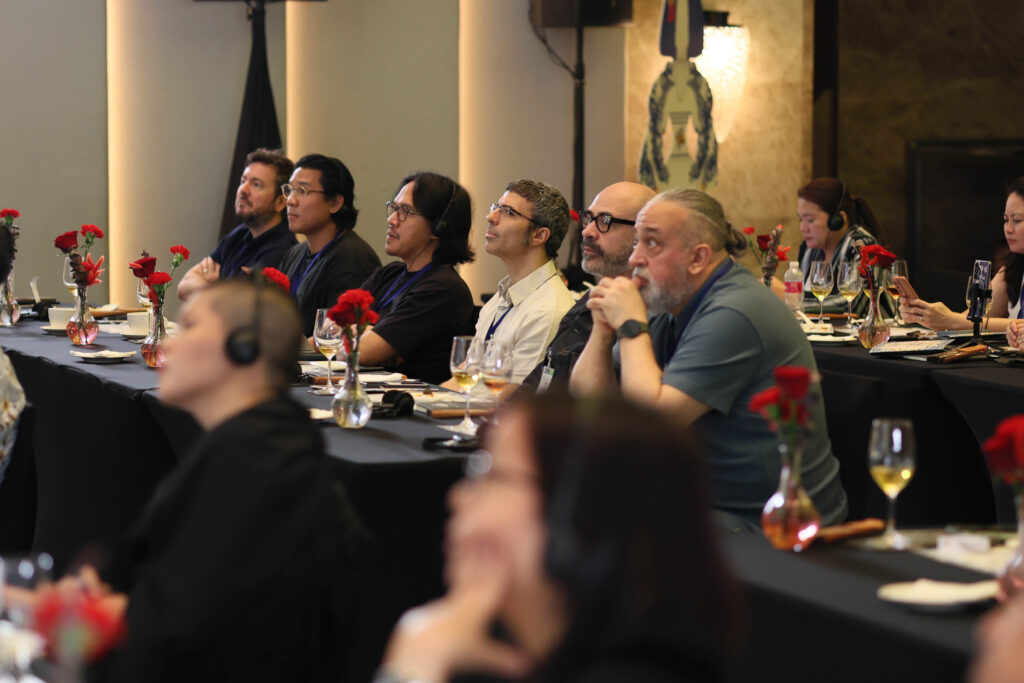
Fernandez kept circling back to it, as he introduced each segment, not as some cutesy cultural footnote, but as the actual assignment: don’t rush, don’t bail early, and definitely don’t treat any of this like a quick in-and-out tasting. It wasn’t just about the lineup of culinary heavyweights or the pouring out of exceptional wines (although yes, that happened repeatedly, and “one last sip was a lie we kept telling ourselves); it was the deliberate invitation to linger. The hosts weren’t simply presenting Spanish gastronomy—they were recreating its rhythm: unhurried, generous, and anchored in connection. Strangers happily became instant tablemates and co-authors in this glorious indulgence.
That, more than anything, felt like the real export. Not the olive oil (though, wow), not even the wine, but the pacing. The permission to stay a little longer, talk a little more, order another round of drinks you don’t technically need—yet again ticking all the boxes of Filipino dining sensibilities.
A Manila sunset, the Spanish way
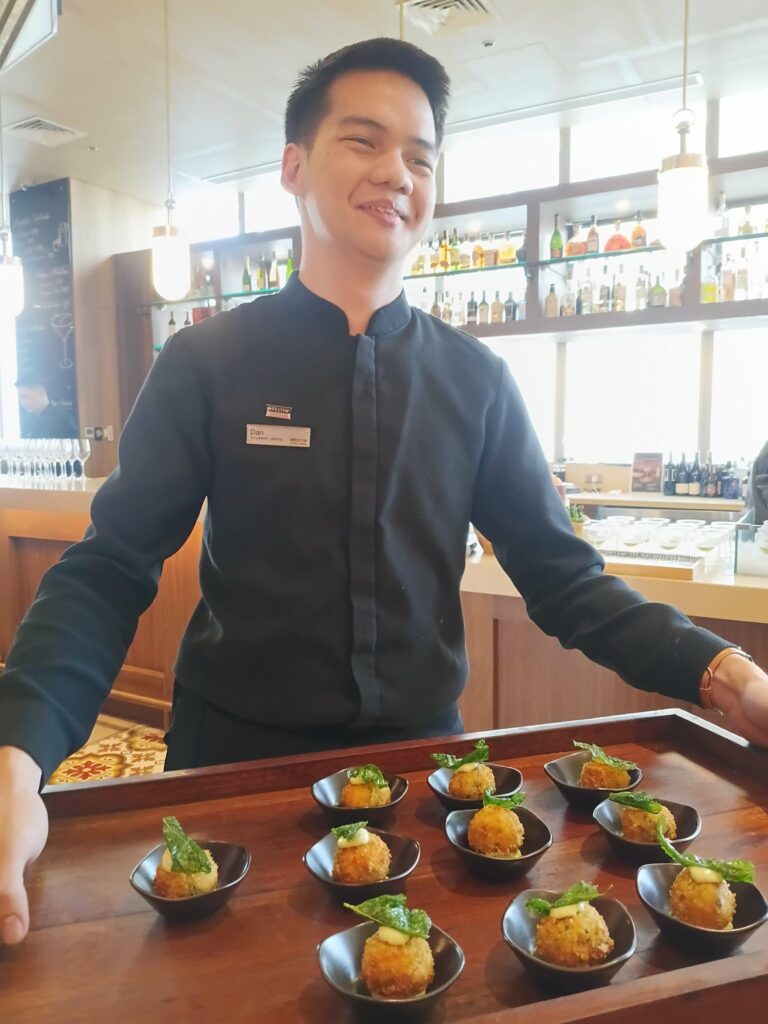
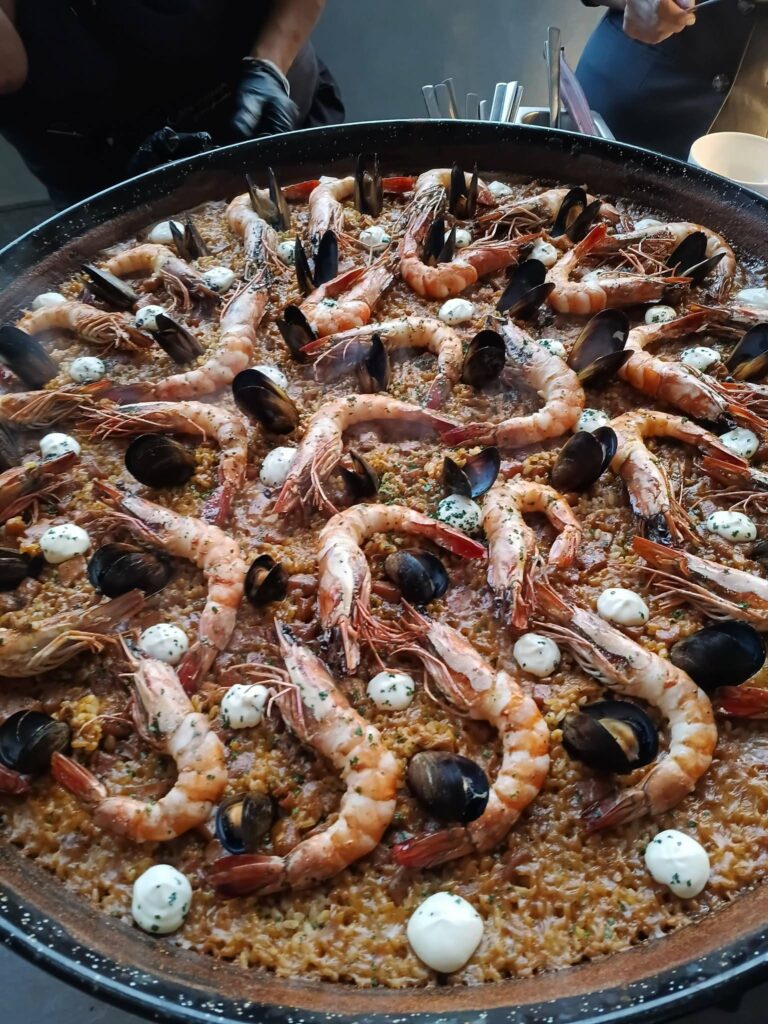
We wrapped the day at Cantabria by Chele González on the 32nd floor of the Westin. Between the freshly cooked seafood paella (done right before our eyes), those legendary croquetas, and a steady stream of Sangria and G&Ts, the hospitality was next level. Watching that fabulous Manila sunset from the al fresco deck was the perfect “This is the life!” moment.
And maybe that’s the point of Spain Fusion: not just to impress, but to recalibrate. To remind a city that already eats well that there’s still another gear—slower, richer, more intentional.
Because when you strip away the PR language, the masterclasses, and the Michelin credentials, what you’re left with is something simpler and way more compelling: a shared appetite. Not just for good food, but for the kind of experiences that stretch time, blur borders, and make you forget—at least for a few hours—where one culture ends and the other begins.
#SpainFusion
#SpainFusion2026
#ThePremiumExperience
Embassy of Spain in the Philippines
#VocentoGastronomia
#NewSpain
#WestinManila
#CrossCulturalConnection
#GastronomyAsDiplomacy
#SpanishGastronomy
#ExpatPH
#ExpatPhilippines
TeamAsia