





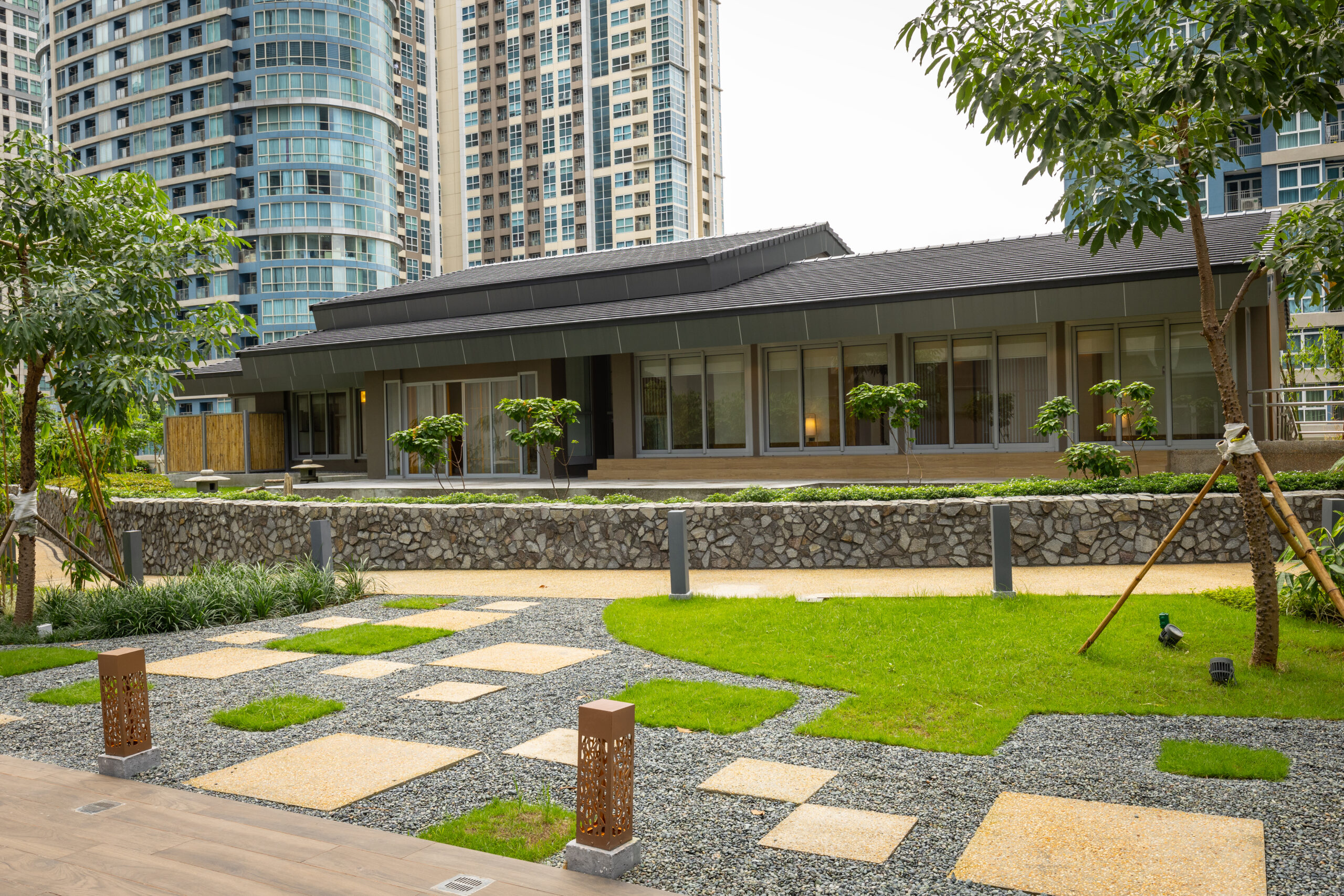
At Federal Land’s multi-awarded The Seasons Residences in BGC, the new Aki Tower and Guest House bring Japanese-inspired living, thoughtful design, and the art of hospitality into sharper focus.
There are plenty of good reasons The Seasons Residences by Federal Land has become a multi-awarded property. For starters, there’s its distinctly Japanese approach to living in the heart of BGC, where Japanese design, technology, craftsmanship, and space efficiency have been thoughtfully translated for the Filipino lifestyle. And with Nomura Real Estate Development Co., Ltd. and Isetan Mitsukoshi Holdings Ltd. as partners, the Japanese DNA runs pretty deep.
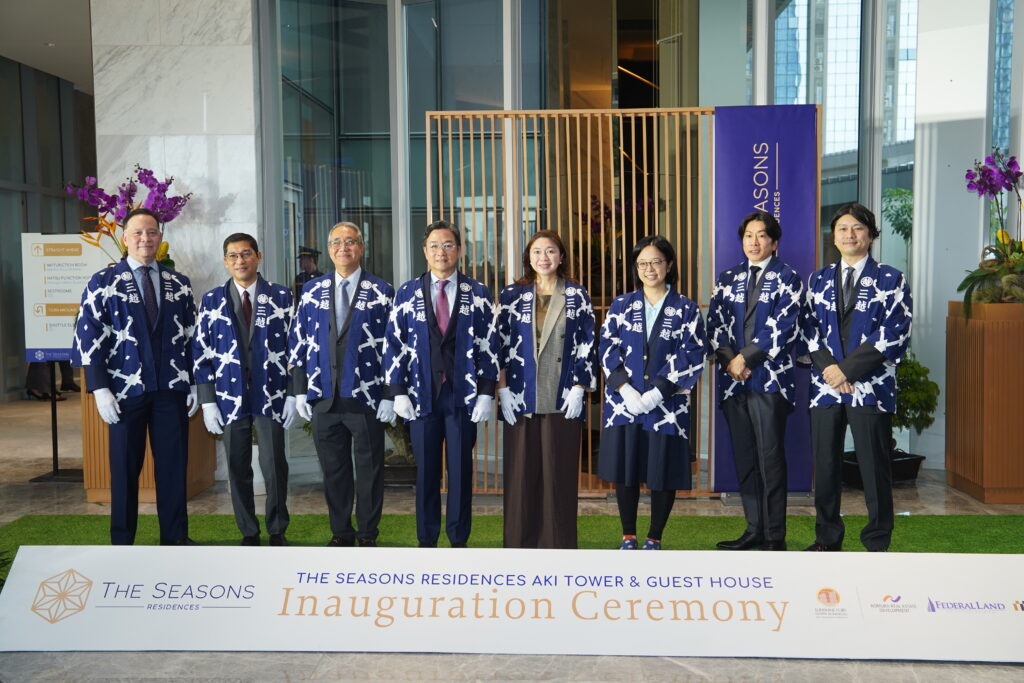
I got a closer look at that philosophy at the ceremonial inauguration of Aki Tower, the third of The Seasons’ four towers, and the opening of its newest addition, The Guest House.
The Seasons has always had a rather clever way of bringing its Japanese inspiration to life. Each tower takes its cue from one of Japan’s four seasons: Haru (spring), Natsu (summer), Aki (autumn), and Fuyu (winter). The idea carries through to the four amenity floors, while Japanese influences appear in details ranging from the façade’s traditional hemp pattern, associated with strength and durability, to space-saving kitchen features, integrated storage, separate shower and bathtub areas, and Japanese technology designed around safety, cleanliness, and resource conservation.
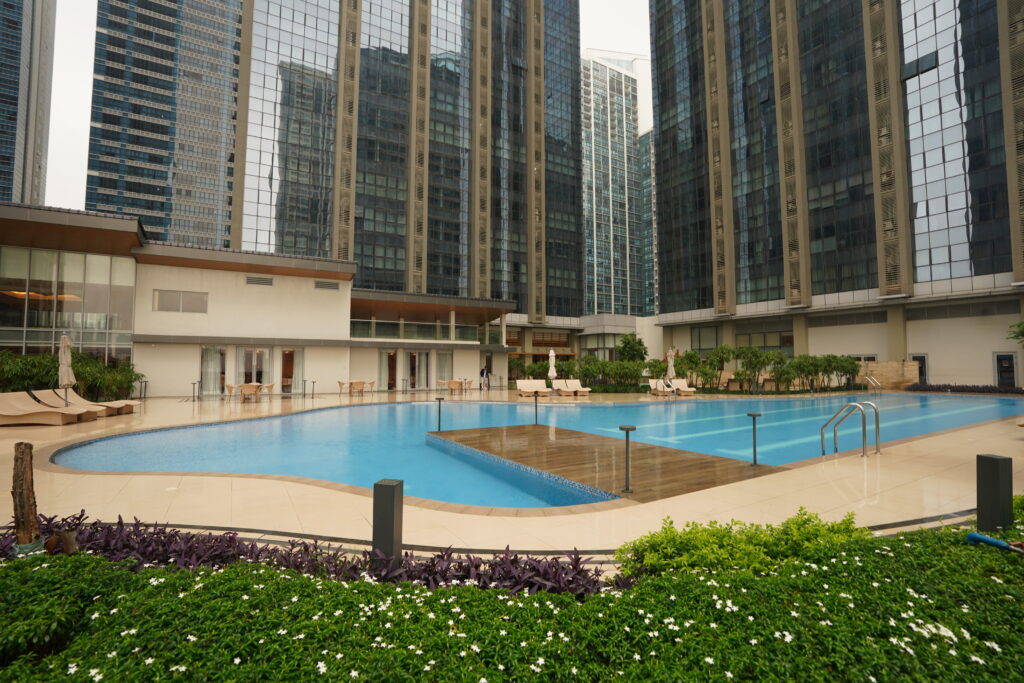
And yes, there are a lot of amenities. The kind that make you stop mid-tour and think, okay, they really thought this through. Of course, there’s also the fact that Mitsukoshi BGC is literally downstairs with direct access from The Seasons. Because if Japanese living in Manila is the main point, having a Japanese department store downstairs feels about as authentic—and convenient—as it gets.
Autumn in the city
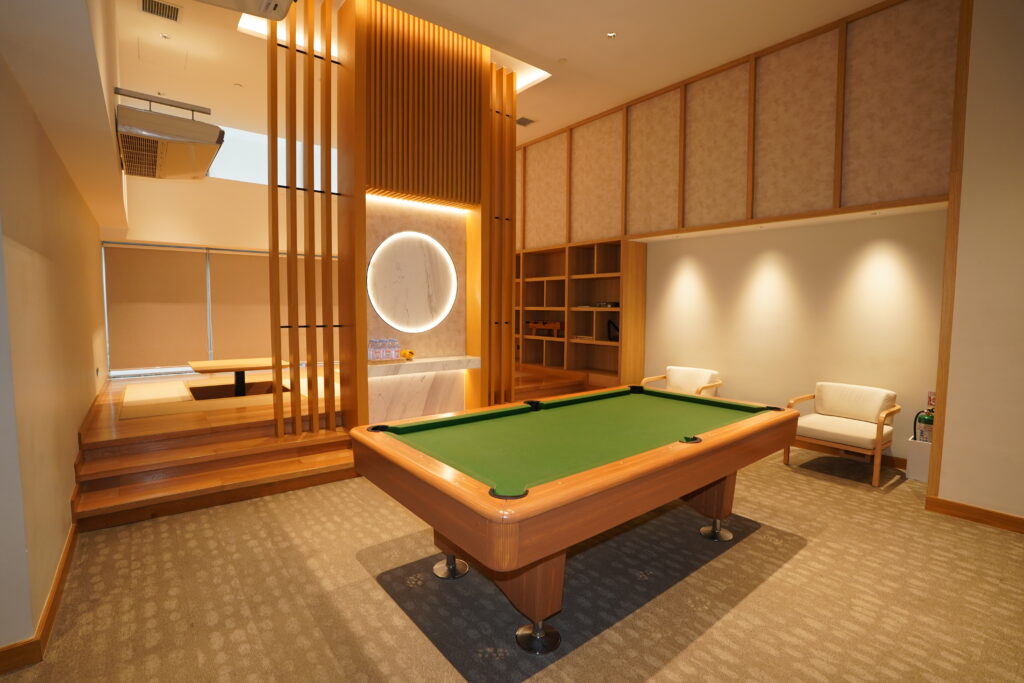
Aki brings its own interpretation to the development’s seasonal concept through the idea of “Creative Autumn.” Its spaces are designed around the different ways people live today, with a business center for work and meetings, a function room for gatherings, a culinary station for shared dining, and spaces for fitness, outdoor time, and contemplation.
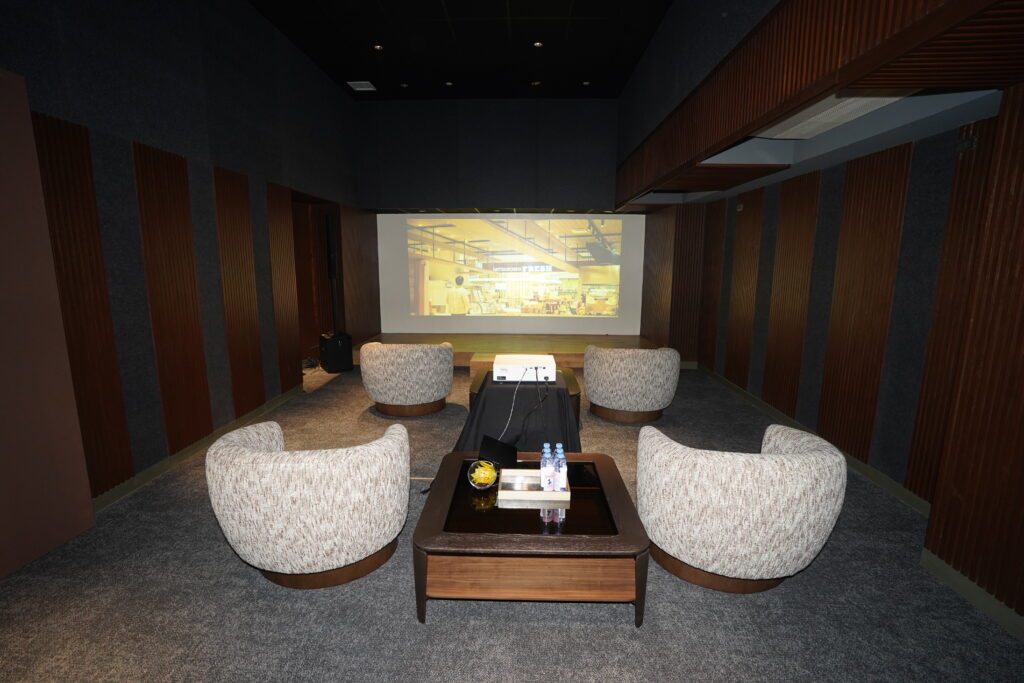
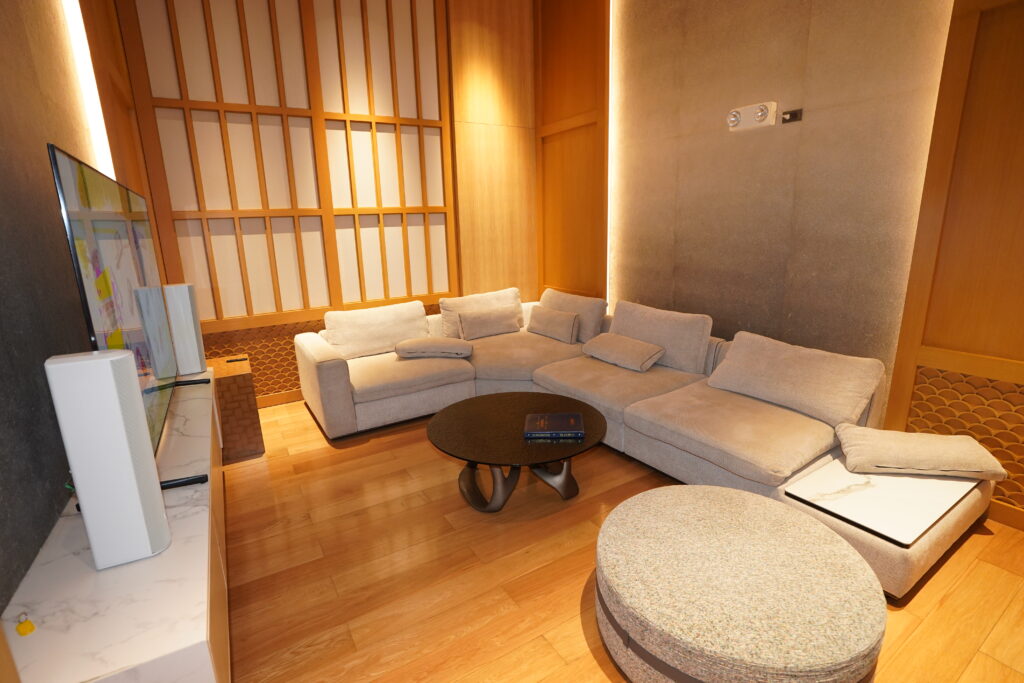
There’s a gym, outdoor terrace, and contemplation garden, while a children’s play area, multimedia room, and golf simulation room are set to follow. Rather than simply piling on amenities for the sake of having them, the idea seems to be giving residents room for the many versions of a day: productive, social, active, celebratory, or blissfully unoccupied.
That same thoughtfulness runs through the development as a whole. The Japanese influence isn’t confined to what looks pretty in a brochure. It shows up in how space is used and how everyday conveniences work, from clever storage and kitchen solutions to Japanese shower toilets, air-washing tiles, motion-sensor lighting in select common areas, vibration-control technology, and key-card access.
It’s an approach to luxury that lives in the details, which is probably why The Seasons feels not so much like someone pasted a Japanese aesthetic onto a Manila address but like an actual attempt to translate a way of living.
A house for the people you love
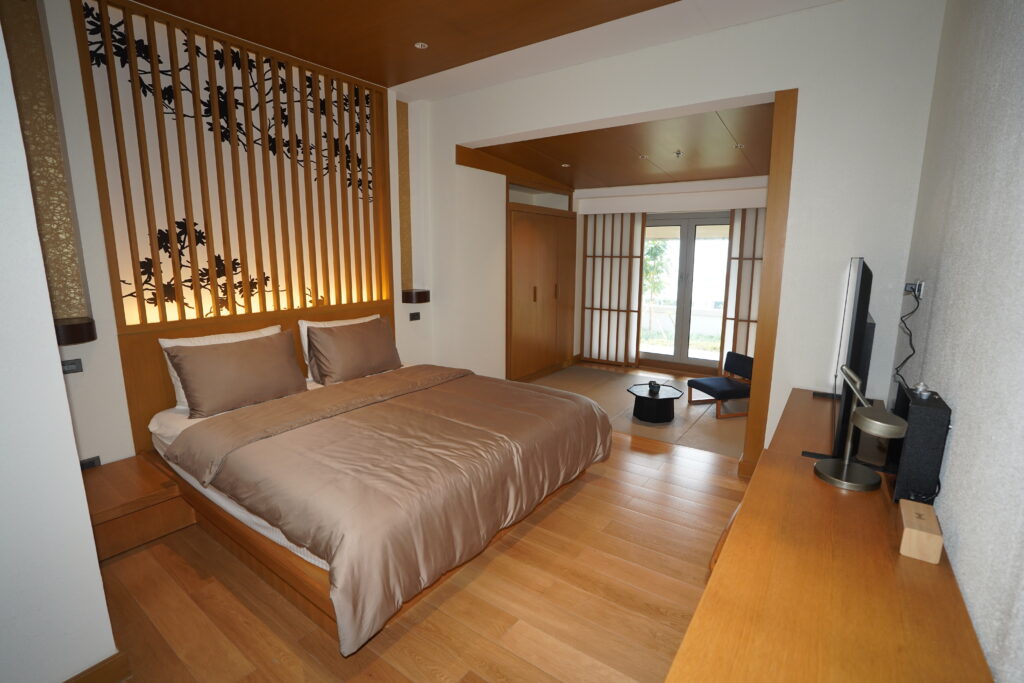
The newly completed Guest House at Aki Tower takes that philosophy a step further. A nod to the Japanese custom of having a separate space for family and guests, it brings the idea of hanare into a contemporary residential setting. Traditionally, a hanare is a detached or separate space that allows family members or guests a degree of privacy while remaining connected to the main household. In a dense modern city, the concept takes on a particularly practical charm.
At The Seasons, the Guest House is a shared amenity available exclusively for rent to homeowners and their guests. It gives residents somewhere to accommodate visiting family and friends, hold special gatherings, or simply let loved ones settle in without turning the living room into an overnight dormitory.
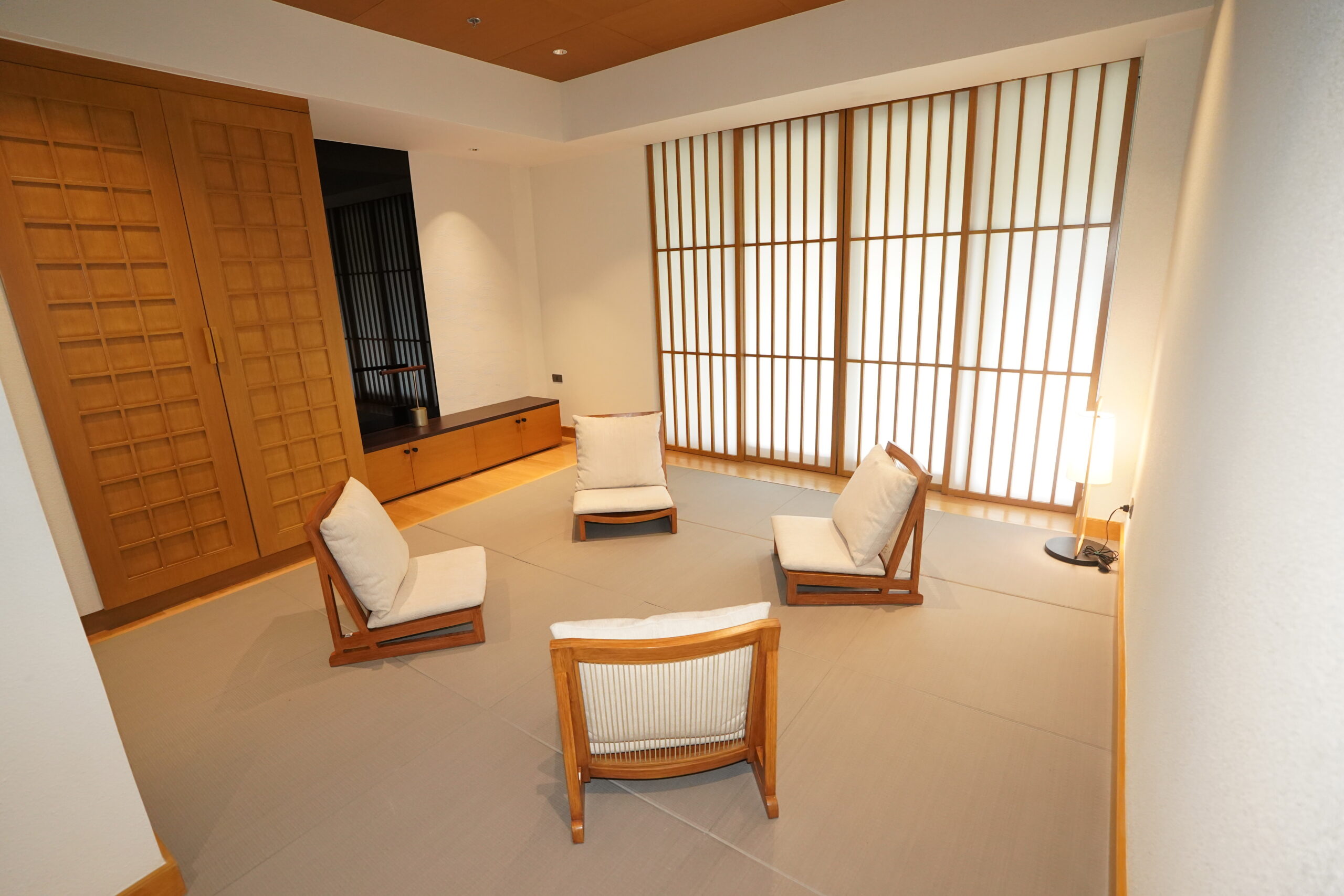
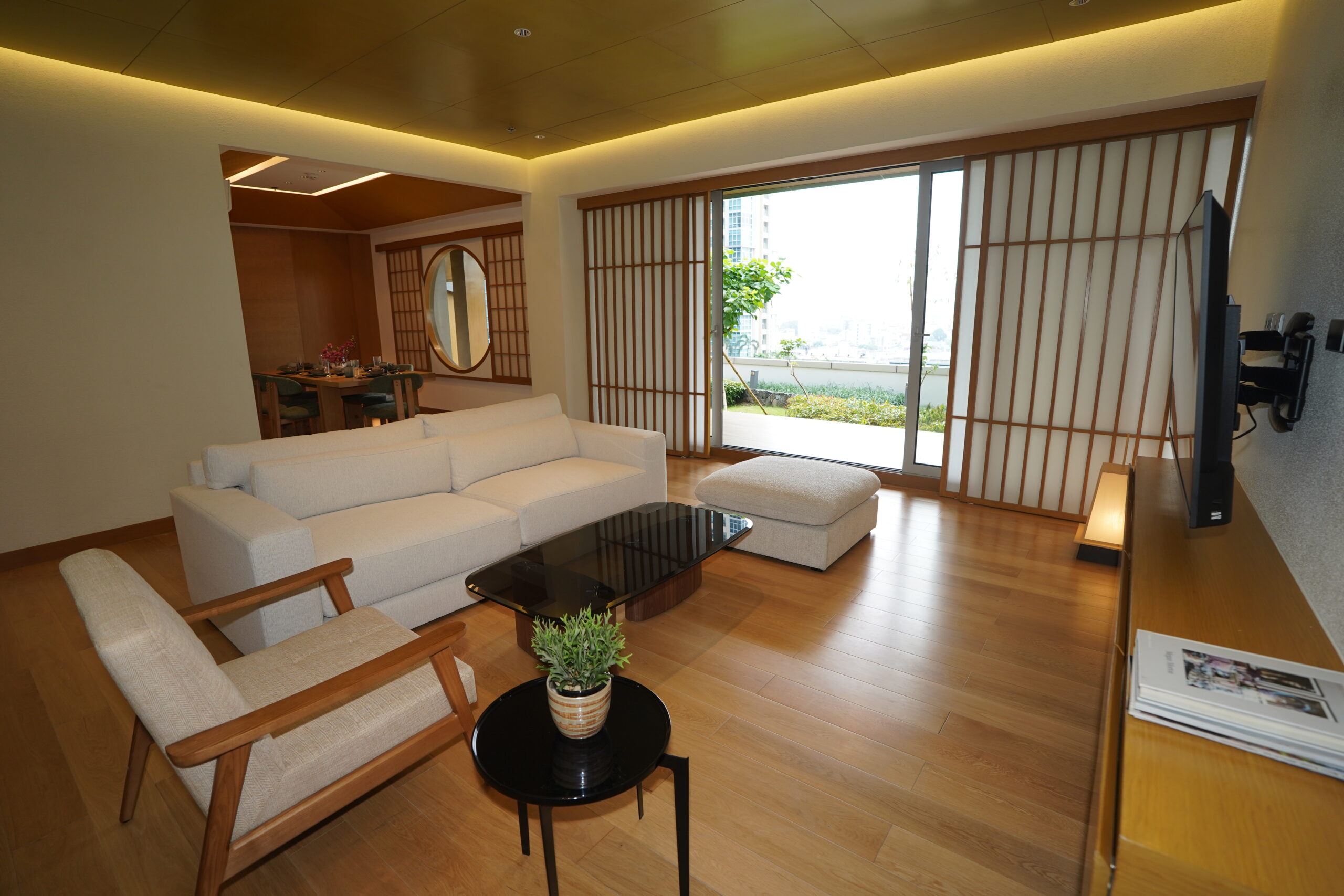
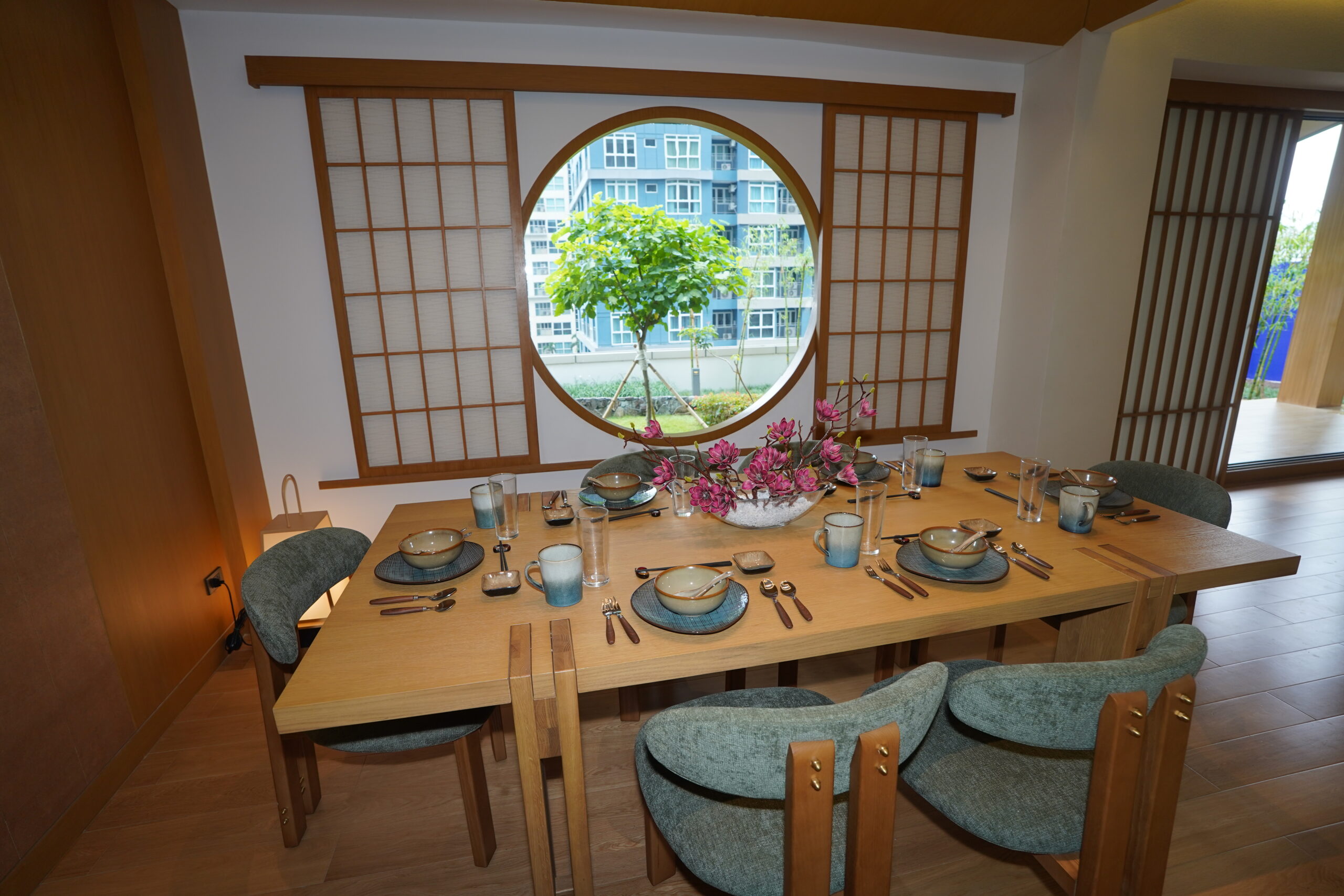
With four bedrooms, including a tatami room, ensuite bathrooms, living and dining areas, a kitchen, and a garden, it really is a house within the residence. Ryokan-meets-chashitsu, and every bit delightful.
There’s another Japanese idea woven into the concept: omotenashi, the spirit of thoughtful, wholehearted hospitality. It’s about anticipating the needs of a guest and making them feel genuinely welcome, rather than simply providing the basics.
That has an interesting resonance in the Philippines, where welcoming family and friends is already such a deeply ingrained part of home life. The Guest House brings those two sensibilities together in a way that feels particularly suited to Manila. Japanese hospitality meets Filipino warmth, with a little more breathing room.
And that, really, is where the Filipino-Japanese relationship behind The Seasons becomes most interesting. The project may have Japanese partners and design principles, but it isn’t trying to transplant Japan wholesale into BGC. Instead, it adapts those ideas to the realities of Filipino life: our love of family gatherings, our instinct to make guests comfortable, and our increasingly precious relationship with space in a vertical city.
One season at a time
With Aki now joining Haru and Natsu, and Fuyu set to open in 2027, The Seasons Residences is officially closer to its four-season cycle.
For a development that takes its cues from Japan, perhaps that’s the most interesting part: the Japanese influence is there in the architecture, technology, materials, and rituals of hospitality, yet the result still feels rooted in where it stands. After spending time at Aki and The Guest House, I came away thinking that it works precisely because it doesn’t try too hard to announce itself. It’s in the details, the efficiencies, the hospitality, and the spaces that anticipate how people actually live.
A little Japan in BGC, certainly. But also a very Filipino understanding of home, family, and making room for the people who matter. And honestly, that’s a pretty lovely combination.
#ExpatPH
#ExpatPhilippines
#FederalLandInc
#TheSeasonsResidences
#AkiTower
#TheGuestHouseAtAkiTower
#BGCLiving
#JapaneseLifestyle
#CrossCulturalConfluence