






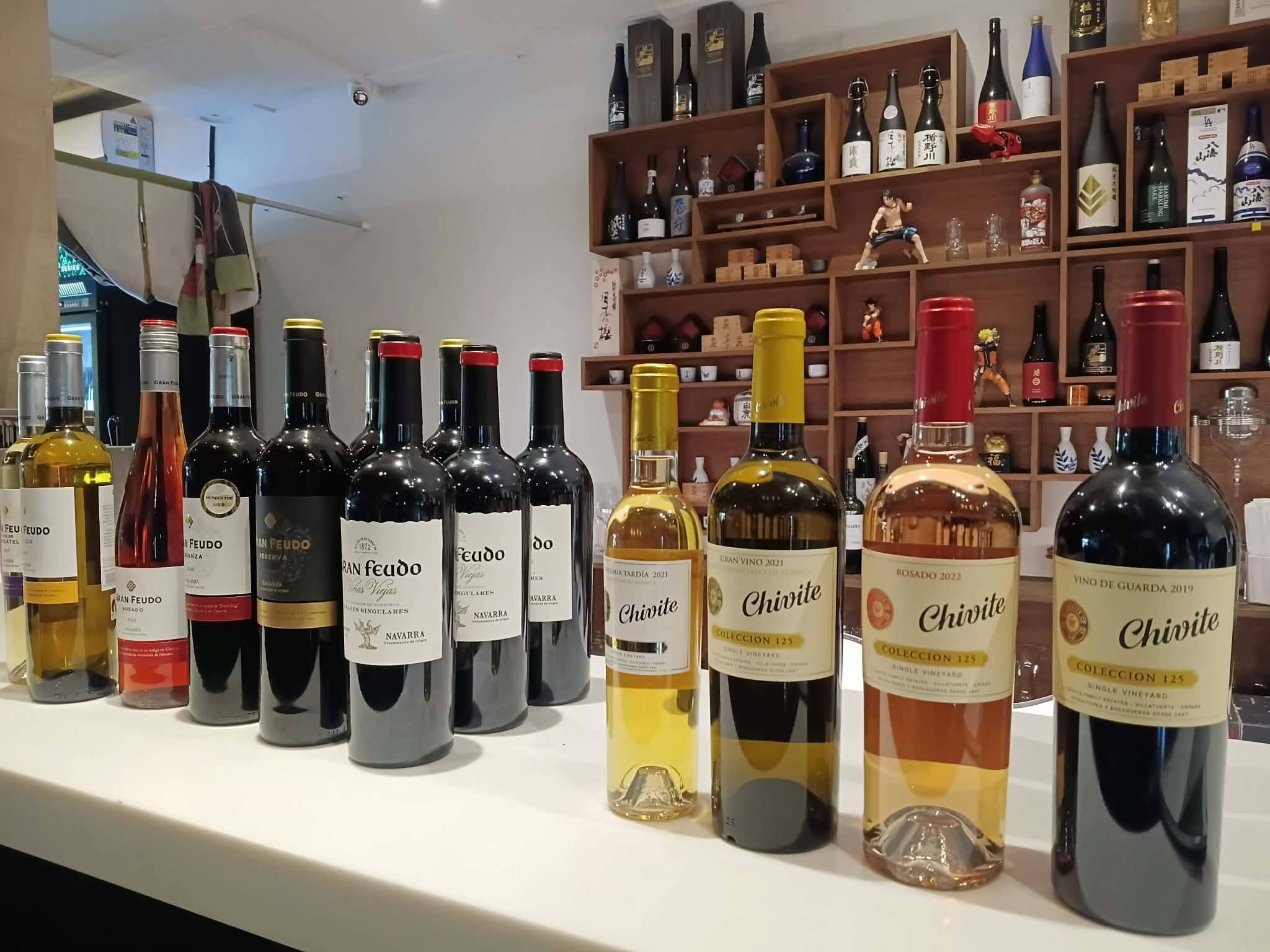
From a royal-household favorite Chardonnay to a rosé that helped put Navarra on Spain’s wine map, Chivite offers a delicious introduction to one of the country’s historic wine-producing regions.
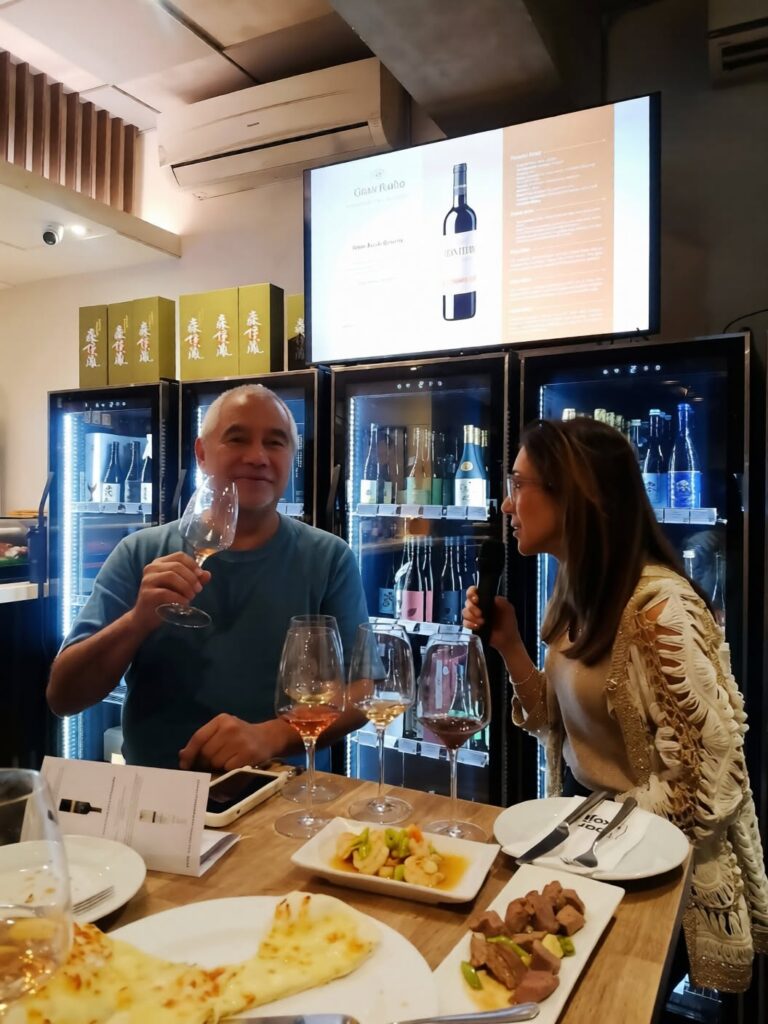
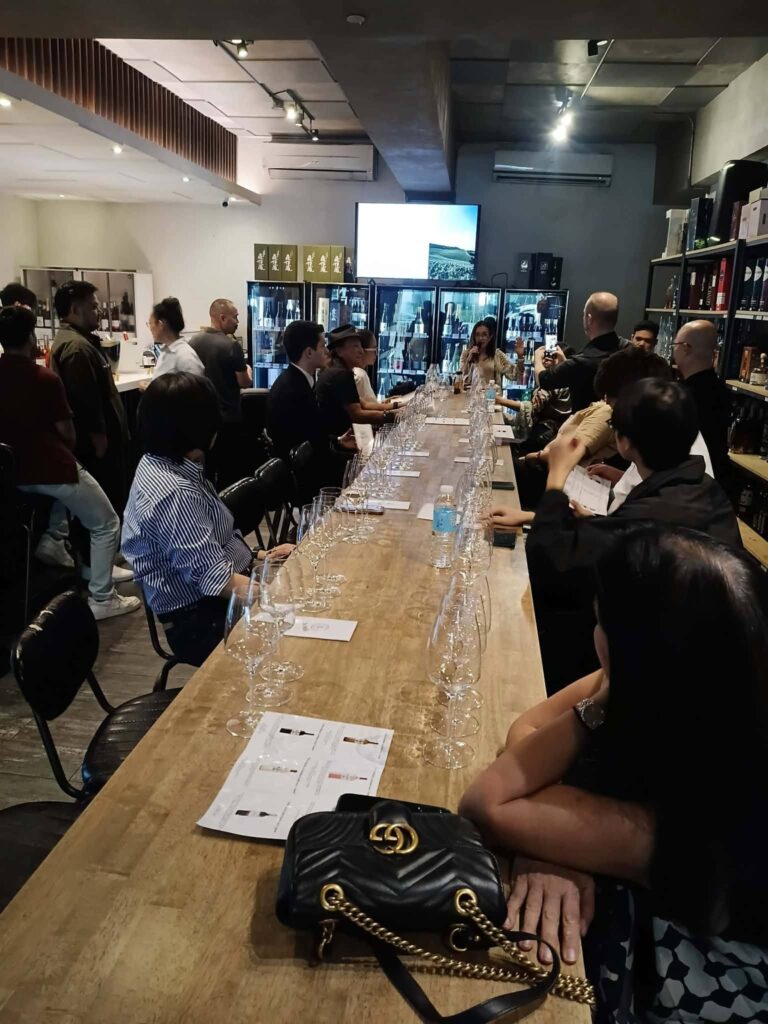
There are wine tastings, and then there are wine tastings that turn into a rather enjoyable history lesson. The latter was very much the case when I joined Ralph’s Wines & Spirits and Philippine Wine Merchants for an afternoon of Spanish wines with Chivite Estates and its sister brand, Gran Feudo.
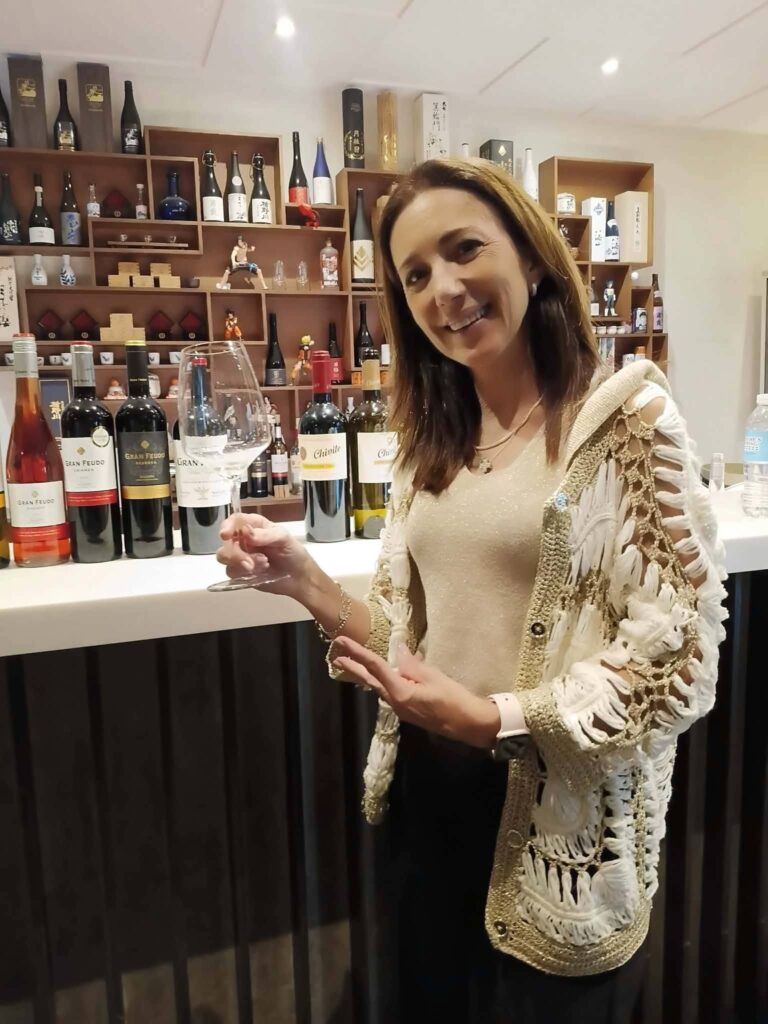
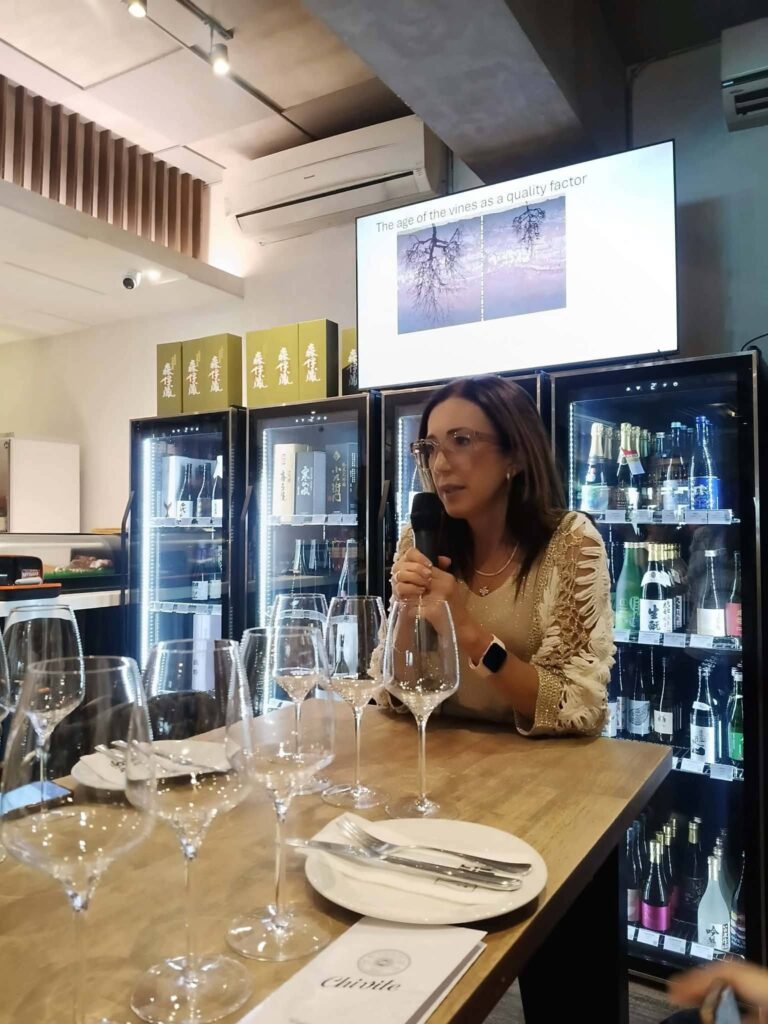
Leading the masterclass was Valencia-born Virginia Gimenez Puchades, Chivite principal, who flew in for the occasion. Over the course of ten wines, four from Chivite and six from Gran Feudo, she offered an engaging introduction to the vineyards, grapes, history, and distinctive character of Navarra, in northern Spain. There was plenty to learn, a fair amount of insider information, and, naturally, no shortage of excellent vino.
Philippine Wine Merchants also has a hand in cultivating a more knowledgeable wine culture in the country, going beyond distribution to create opportunities for Filipino wine enthusiasts to learn from the people behind the labels. Having Virginia at the helm of the tasting was very much in keeping with that mission.
Winemaking roots that date to 1647
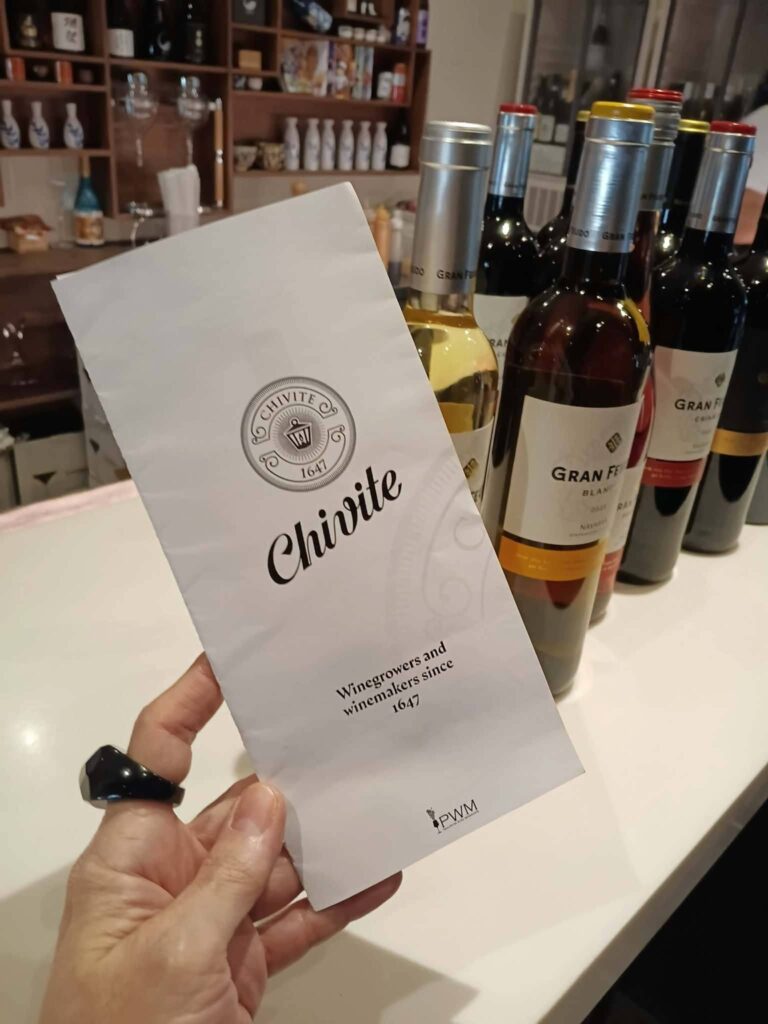
First, a little history. Chivite’s winemaking legacy stretches all the way back to 1647, making it one of Spain’s oldest wine dynasties. Eleven generations of the Chivite family have been associated with the business, building a reputation that has made the name a benchmark for Spanish wines.
In 2017, the winery was acquired by the Perelada Group, another family-owned wine business. The acquisition brought Chivite and Gran Feudo under the same ownership, with both retaining their individual identities and established reputations. It is a continuation of a long-standing wine heritage, albeit under a new family enterprise.
Gran Feudo, meanwhile, has its own considerable history, dating to 1872. While Chivite occupies the premium end of the portfolio, with wines intended for fine-dining establishments and discerning wine enthusiasts, Gran Feudo offers a more accessible, everyday expression of Navarra. As Virginia explained, the two brands serve different markets but share the same regional roots.
“Chivite is for Michelin-starred restaurants and finer wine shops that want to have a brand from Spain,” she explained. “And if you want something more for every day, it would be Gran Feudo. But both brands are excellent and iconic in Spain,” Virginia noted.
Three climates, one distinctive wine region
And what roots they are. Navarra’s geographical position gives it a particularly interesting advantage. Located in northern Spain, bordering France to the north and Rioja to the south, the region experiences three climatic influences: Atlantic, continental, and Mediterranean. These converge to create a variety of growing conditions and distinct vineyard terroirs, helping produce wines with different personalities, structures, and expressions.
Virginia pointed out that the region’s relatively dry conditions and varied soils also influence the way vines grow. In some vineyards, the roots must reach deep underground to access water retained beneath the surface. This is one reason old vineyards are worth looking out for when choosing Spanish wines. Established vines, with their deep root systems, can offer a particularly interesting expression of the land.
For Chivite, two grapes are especially important: Chardonnay for its whites and Tempranillo for its reds. Garnacha, a native Spanish variety particularly associated with Navarra, also plays a starring role, most notably in its rosés.

Chardonnay fit for royalty
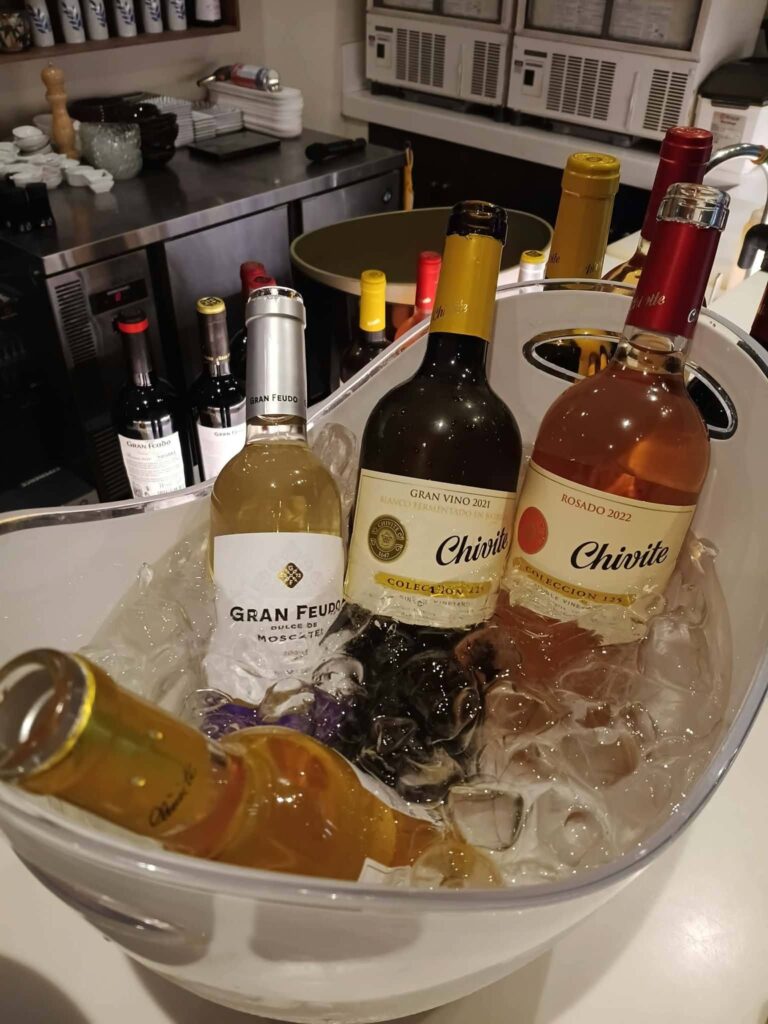
One of the highlights of the tasting was the Chivite Colección 125 Blanco 2021, a Chardonnay with quite a distinguished pedigree.
The Colección 125 range was launched in 1985 to commemorate the 125th anniversary of Chivite’s first wine exports, which began in 1860. Today, it represents the winery’s flagship collection, with limited-production wines that showcase its premium expressions. The Blanco, produced since 1993, is a single-vineyard Chardonnay from Finca Legardeta.
It also comes with a royal connection. According to Chivite’s historical records, the 2002 vintage of Colección 125 Blanco was served at the gala supper held on May 21, 2004, on the eve of the wedding of Spain’s King Felipe VI and Queen Letizia. It is a rather impressive credential for a wine that already has plenty going for it.
The 2021 vintage we sampled was a personal favorite: elegant and beautifully textured, with the rounded, creamy character of Chardonnay balanced by freshness and fruit. It had that lovely, lingering quality that makes you want to return to the glass for another sip. Virginia described the wine as one of the defining expressions of Chivite, and it wasn’t difficult to understand why.
A rosé that changed my mind
Another pleasant surprise was the Gran Feudo Rosado 2022. I’m not usually the first to reach for a rosé, but this one made a convincing case for reconsideration. Fresh, fruity, and wonderfully approachable, it showed exactly why Navarra has earned a reputation for producing some of Spain’s most recognizable rosés.
Virginia explained that Gran Feudo’s rosé has been a bestseller in Spain for decades, with the winery producing the range for more than 41 years. Made from Garnacha, Navarra’s signature red grape, it is an important part of Gran Feudo’s identity.
“The rosé has been the bestseller product in Spain for years,” she said, adding that Gran Feudo has been producing it for more than four decades.
The brand’s rosé has become something of an icon in its portfolio, a familiar and enduring expression of the region’s winemaking tradition. It is also a good reminder that Spanish wines need not be grand, expensive, or reserved for special occasions to be worth discovering.
The red that sealed the deal
For red wine lovers like me, the Chivite Colección 125 Reserva 2019 was another standout. Made from 100% Tempranillo selected from the estate’s Finca Legardeta vineyards, it is aged for 15 months in French oak barrels.
The result is a full-bodied, structured wine with layers of dark fruit, including blackberry and plum, complemented by spice and oak. It was rich without feeling overdone, with a pleasing balance and a long finish. This is the sort of red that deserves time in the glass, preferably alongside a good meal and even better company.
It rounded out my personal top three from the tasting, each wine offering a different perspective on what Navarra and Chivite have to offer: an elegant, oak-aged Chardonnay with royal connections, a refreshing Garnacha rosé, and a sophisticated Tempranillo with plenty of character.
Spain has a lot to say
Beyond the three personal favorites, the tasting offered a broader look at the range and versatility of Navarra wines, from approachable everyday bottles to more complex, cellar-worthy selections. It also underscored how much Spain has to offer beyond the familiar names of Rioja and Ribera del Duero.
Virginia’s parting encouragement was simple, and perhaps the best takeaway from the afternoon: “Just give Spanish wines an opportunity, because Spain has a lot to say.”
After multiple glasses (but really, who’s counting?) and a very enjoyable afternoon spent discovering the region’s offerings, I’d say that’s advice worth taking. As for me, I came away with three new favorites, a greater appreciation for Navarra, and a renewed conviction that wine is one of the more pleasurable ways to get to know a place.
¡Salud!
#SpanishWines #WineLovers #ChiviteWines #GranFuerdoWines #IconicSpanishWines #WineMasterclass #PWM #PhilippineWineMerchants #RalphsWinesAndSpirits #ExpatPH #ExpatPhilippines