





Confessions of a Sake Manila regular: how a pandemic-born passion project became one of the city’s most compelling cultural experiences—and why I’m still discovering something new with every sip.
Three years in, Sake Manila has already taught me one rule: don’t rush. The first time I heard Raymond Lim Joseph, aka the Sake Ninja and Director of Sales and Marketing at Philippine Wine Merchants (PWM), say it at a press briefing, I took it into consideration—but my inner completionist immediately screamed, “Try everything!” This year, with over 200 sakes from around 50 breweries on offer, I decided to test the advice: surrender to the pace and let my palate take the lead.
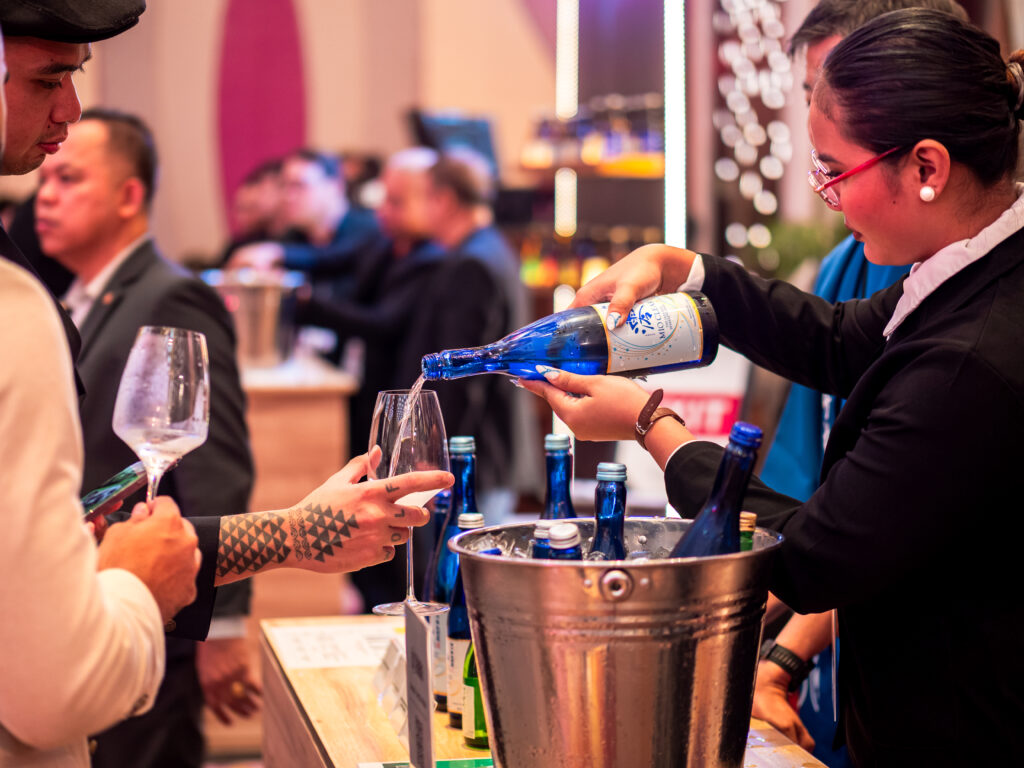
The difference was immediate. Rather than treating the night like a checklist, it became a rhythm. Nama sake led the early pours with its unpasteurized freshness and slight volatility; sparkling sake brought lift and acidity that reset the palate; ginjo offered clarity and aromatics with controlled refinement; while warmed junmai shifted the focus toward umami depth and structural weight. Between sake pours, Japanese whisky brought smoke, caramel, and oak into the mix, while Japanese beers added an easy, familiar current that kept the flow moving without breaking it. As it turned out, the mantra of “slow wandering” was more than good advice—it was a strategy for tasting, a lesson in palate discipline, and, unexpectedly, genuinely enjoyable.
From online Sake Sessions to a full-scale cultural fixture
Sake Manila didn’t start as the spectacular, sold-out event it is today. During the pandemic, PWM launched online Sake Sessions when in-person gatherings weren’t possible. What began as a temporary workaround to keep sake education alive quickly turned into something more permanent. “Filipino audiences weren’t just curious about tasting sake—they wanted to understand it: where it comes from, how it’s made, and what distinguishes one style from another,” Raymond Joseph shared.
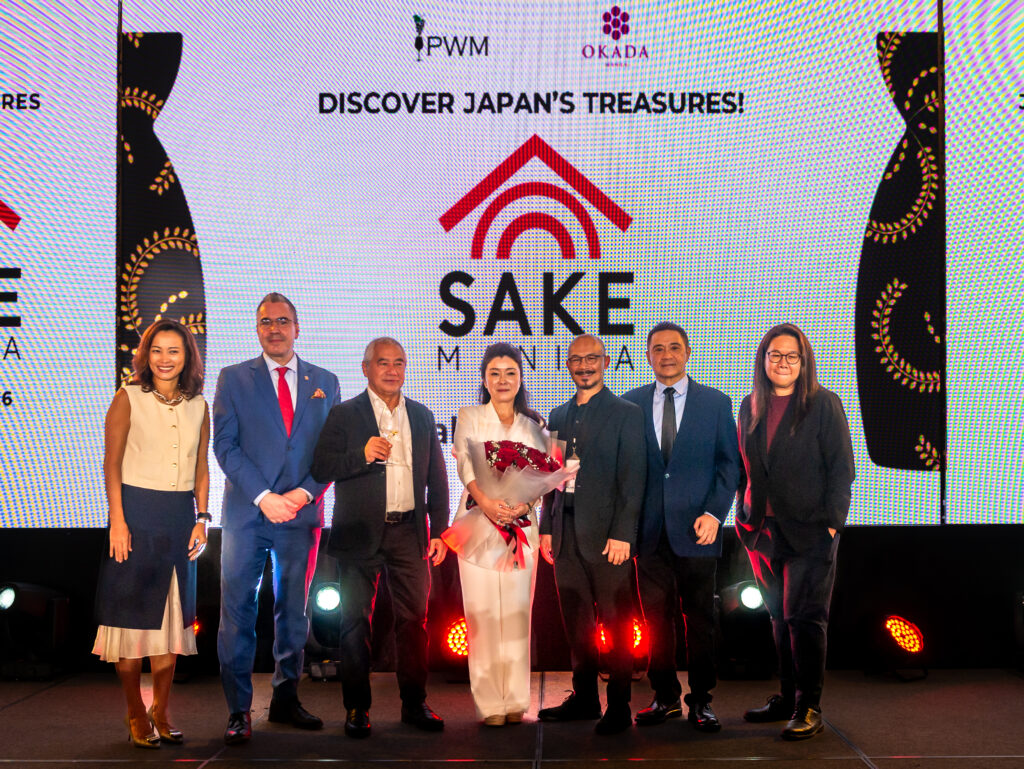
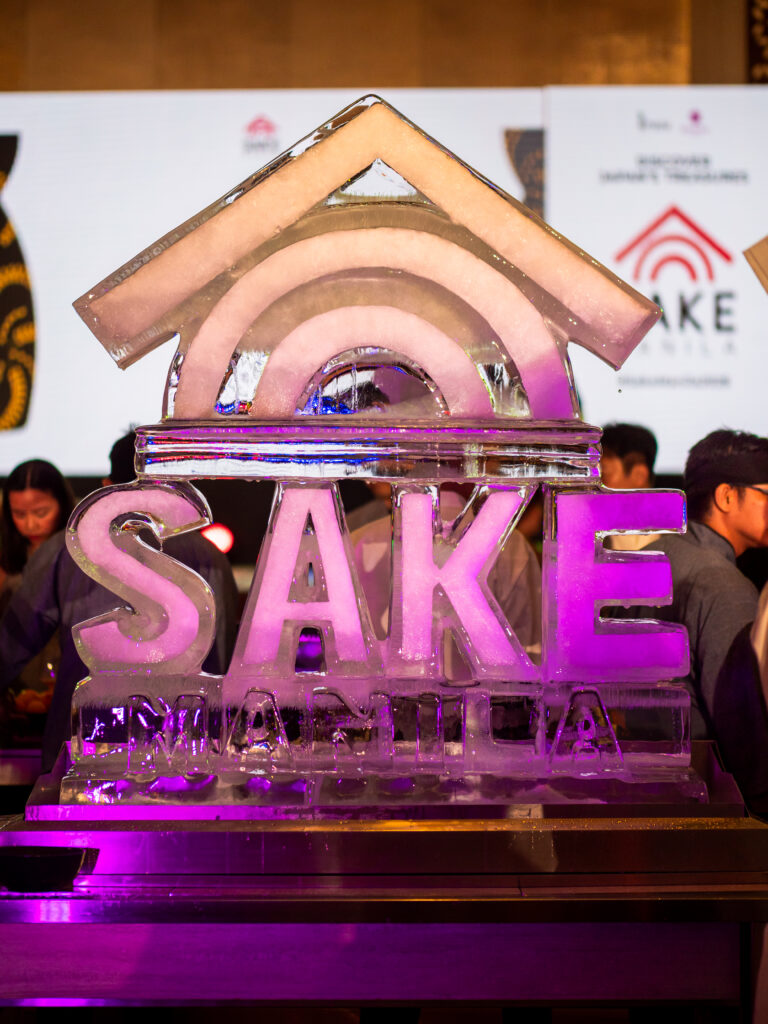
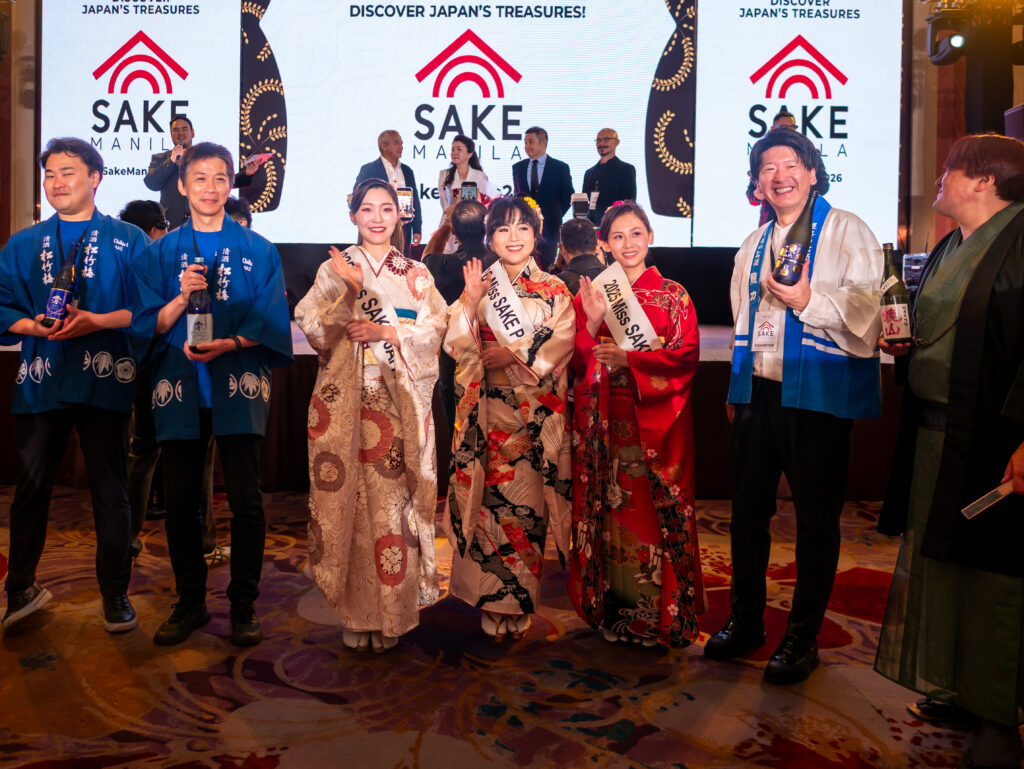
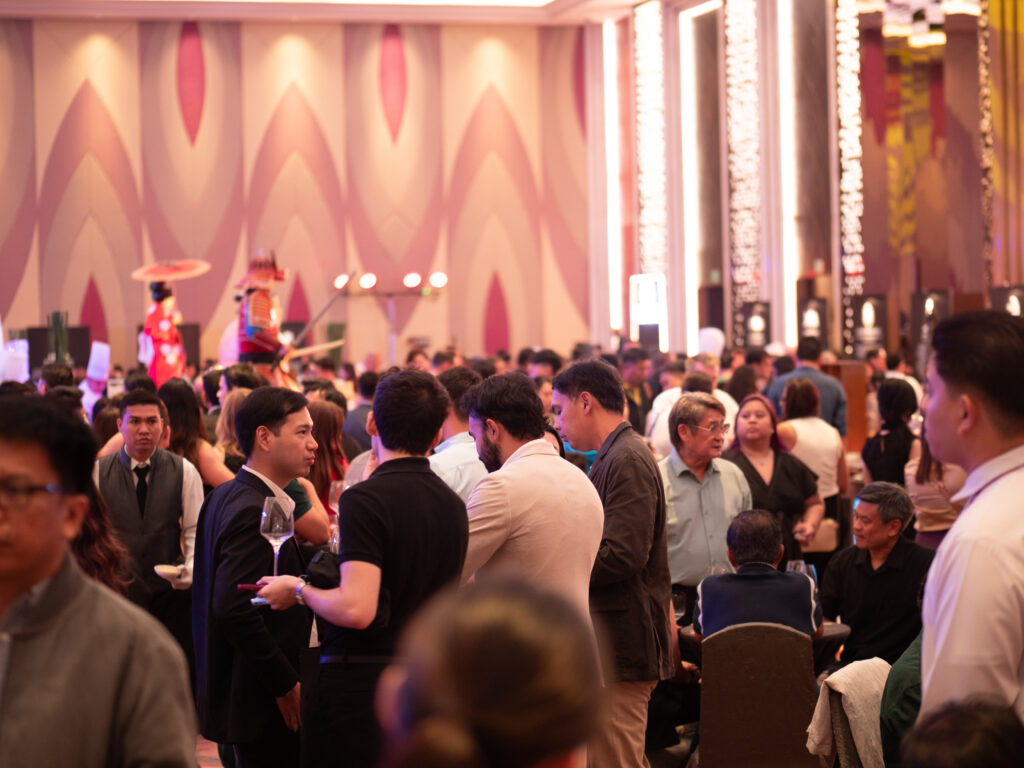
The realization that people wanted more than a tasting experience became the catalyst for everything that followed. By 2026, Sake Manila had fully found a home into Okada Manila’s Grand Ballroom, drawing over 1,200 guests and establishing its status as a must-attend fixture on Manila’s lifestyle “must-attend” roster.
200+ sakes and a map of Japan in a glass
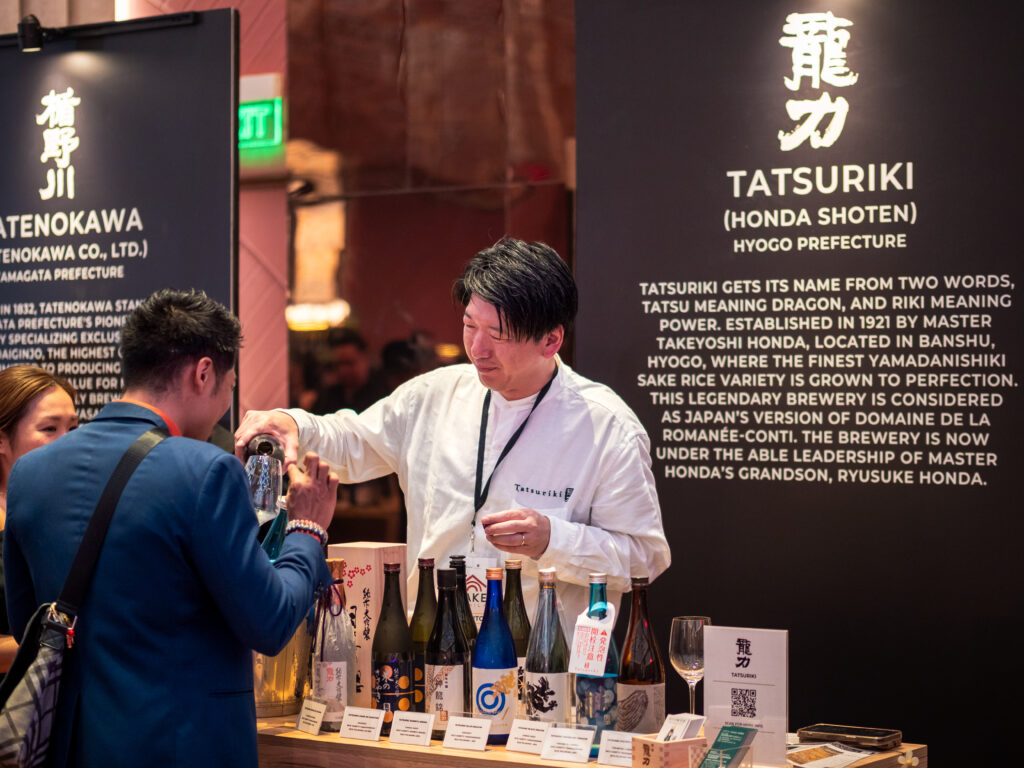
This year’s lineup read like a geography lesson disguised as a tasting room. Hundreds of standout labels filled the ballroom, including exclusive bottles hand-carried from Japan. In one night, many of the country’s 47 prefectures were effectively distilled into a single space, each bottle reflecting a different brewing philosophy—some leaning toward delicate aromatics, others toward deep umami, and a few pushing experimental edge
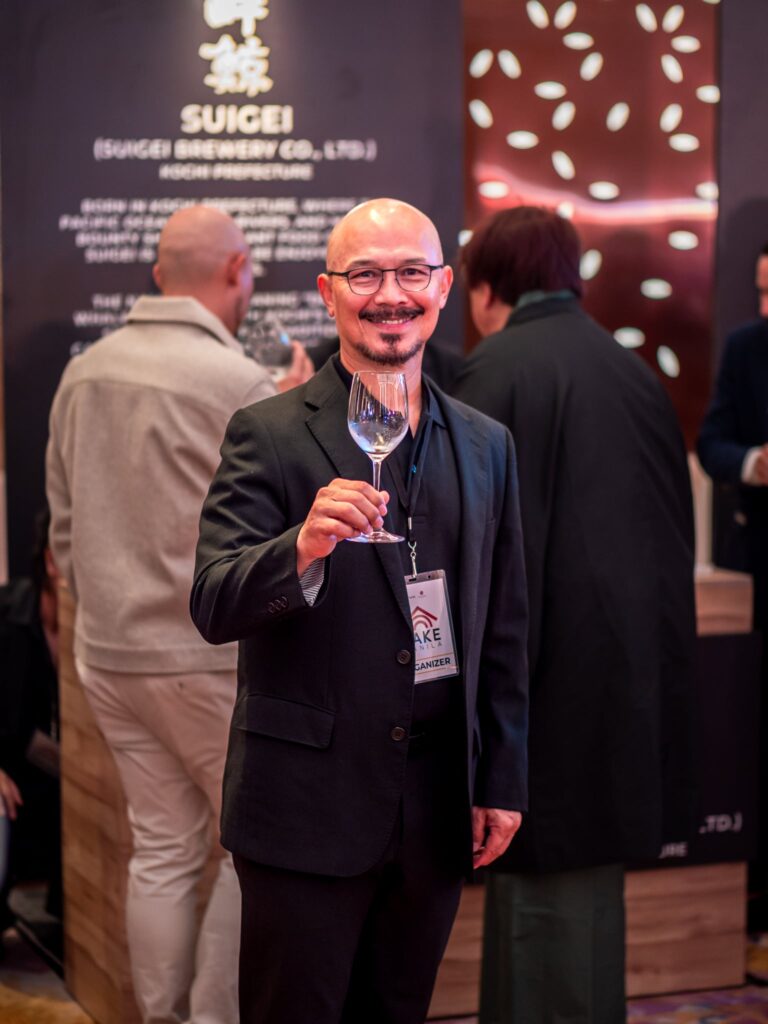
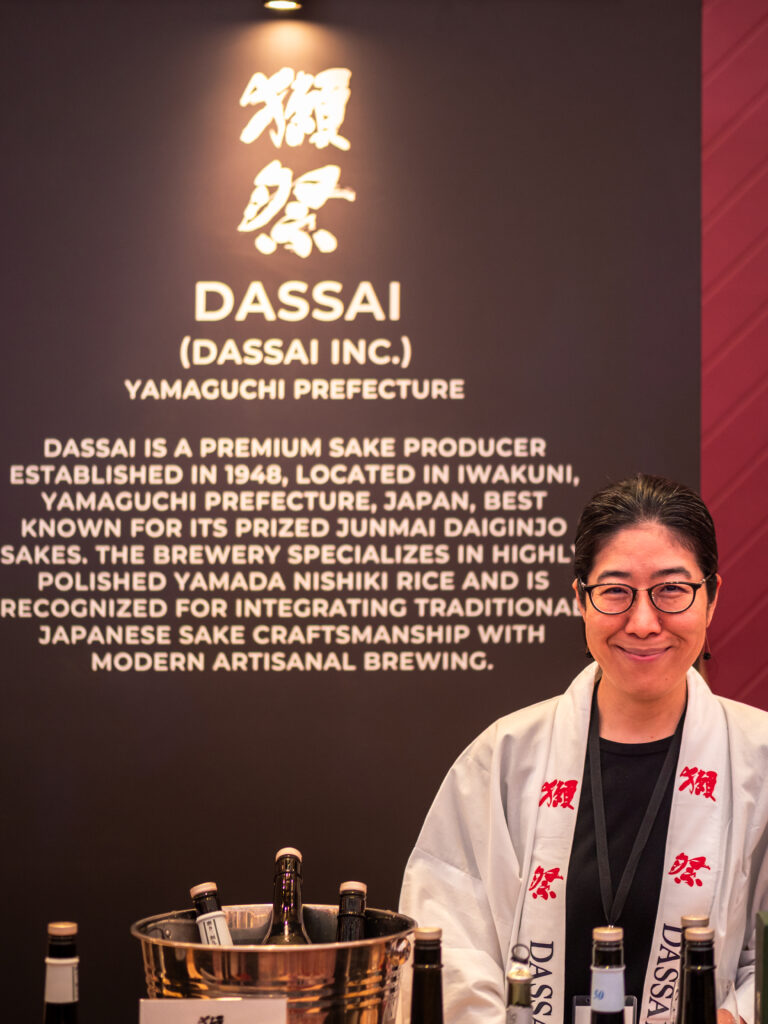
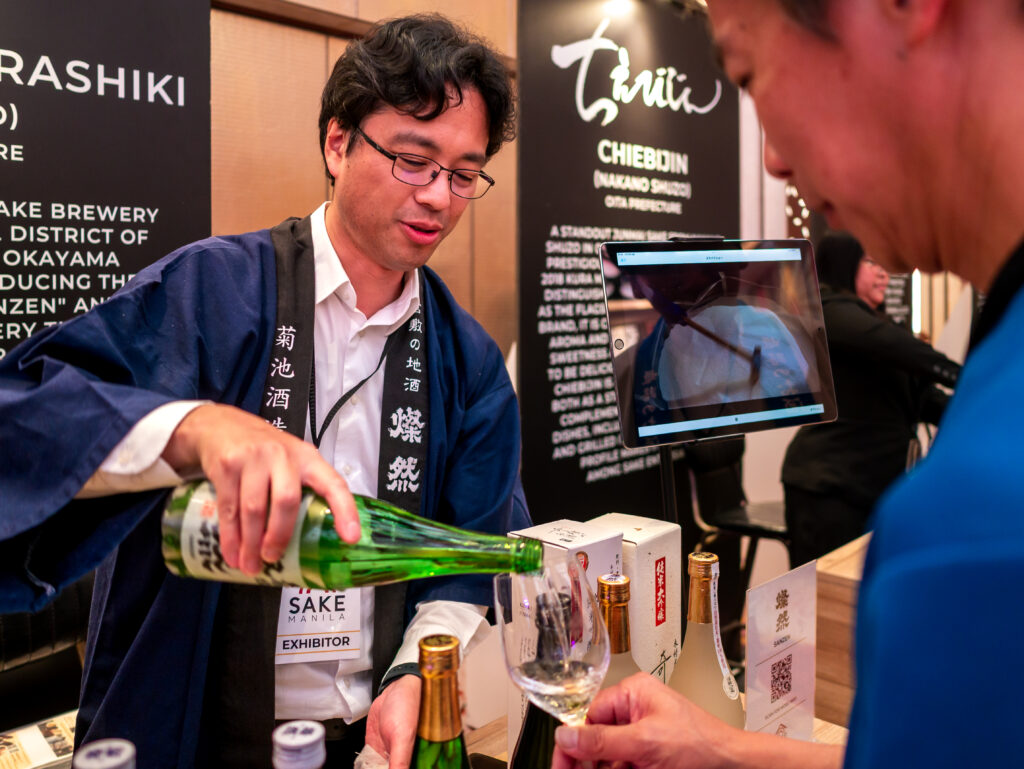
Familiar names like Dassai, Hakkaisan, and Gekkeikan drew early attention, while Chiebijin, Suigei, Masumi, Amabuki, Urakasumi, and Hyakujuro invited slower, more deliberate exploration. At least five new breweries made their Philippine debut this year—small, often family-run producers offering limited releases rarely seen outside Japan. “This is a chance to discover fresh perspectives and unique brewing philosophies,” Raymond said, and he wasn’t exaggerating.
Why food holds its own ground
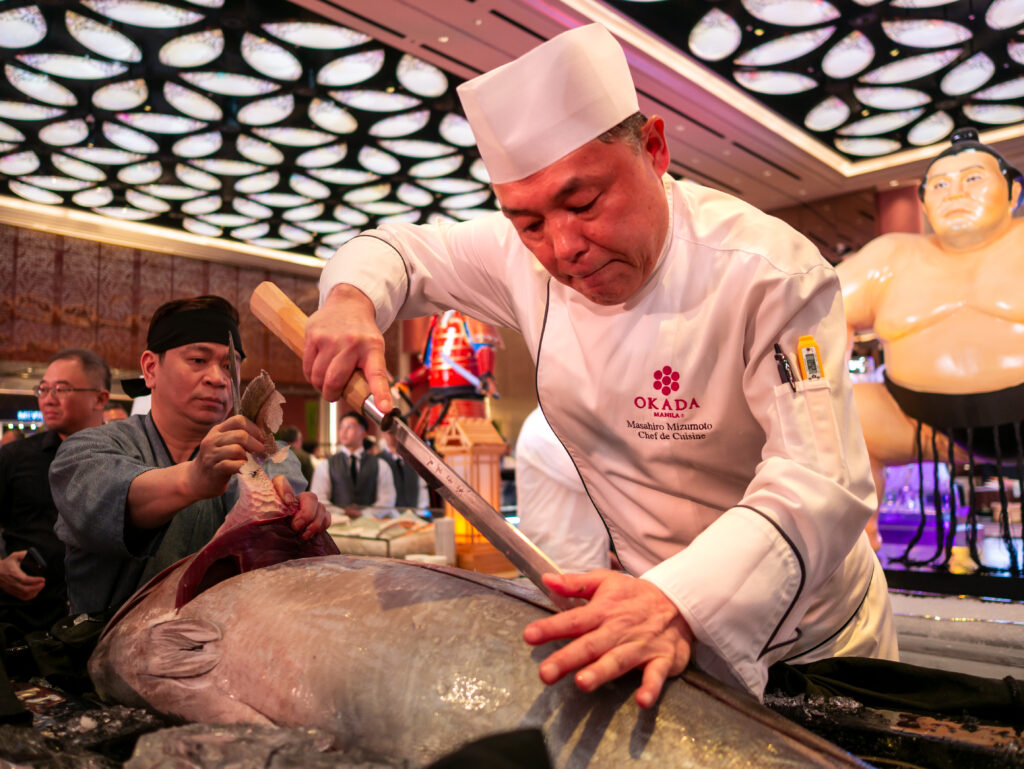
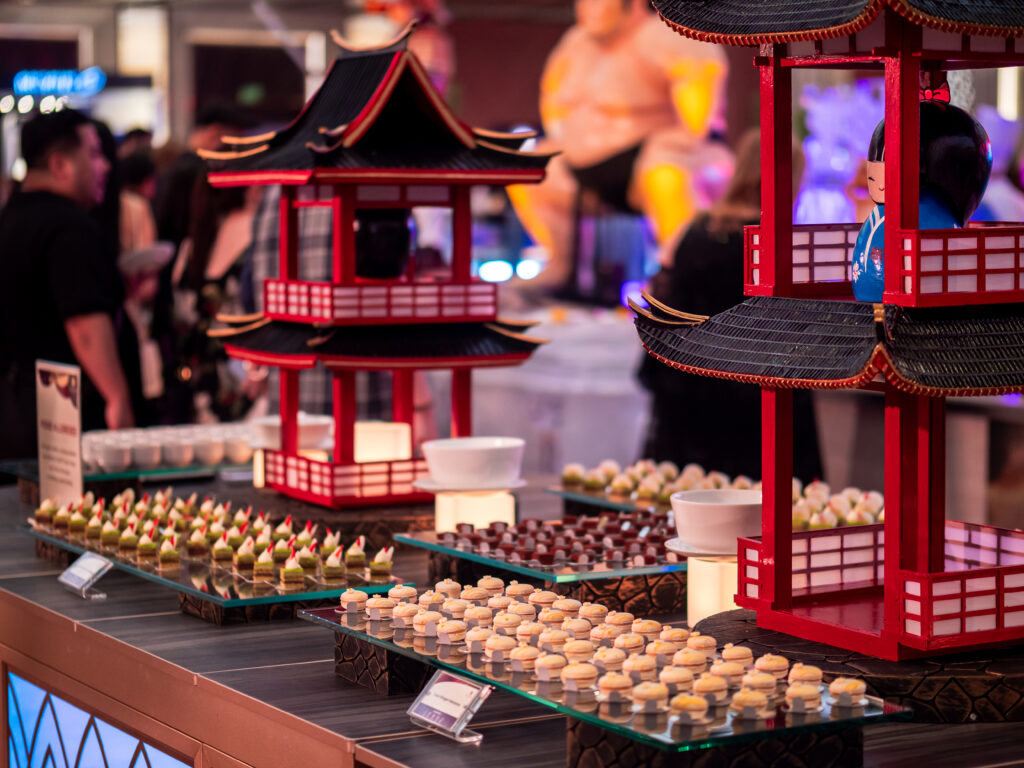
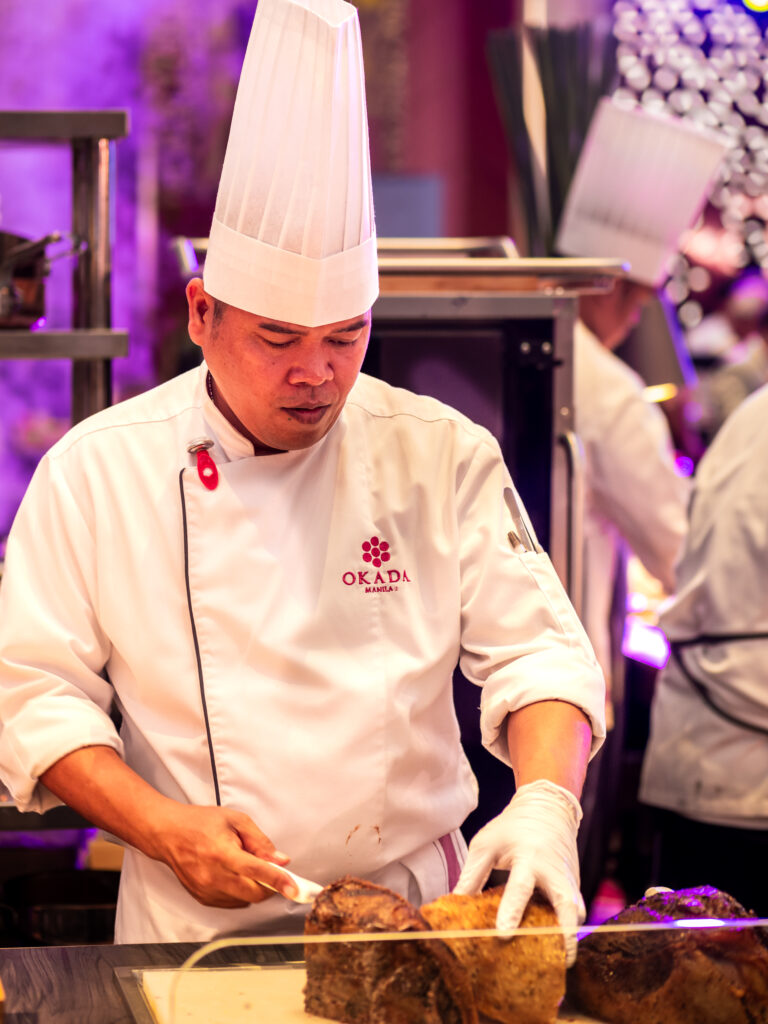
If you think Sake Manila is all about the drinks, you’re only half paying attention. Food doesn’t play support here—it runs parallel. The Tuna Parade alone is a mini masterclass in controlled spectacle: chefs break down a whole tuna in front of a crowd, turning precision knife work into theatre.
Chef Josef Teuschler, Culinary Director of Okada Manila, put it clearly: “Every dish has been specially created for Sake Manila—designed not just to complement the beverages, but to exist as part of this one-night-only experience.”
Beyond the headline moments, the pairing philosophy stays loose. Sparkling sake meets soft cheeses, junmai holds its own against grilled dishes, and international plates slide into the mix without friction. There is no rigid pairing rulebook—only experimentation. And sometimes, happy accidents.
How the ballroom quietly teaches you
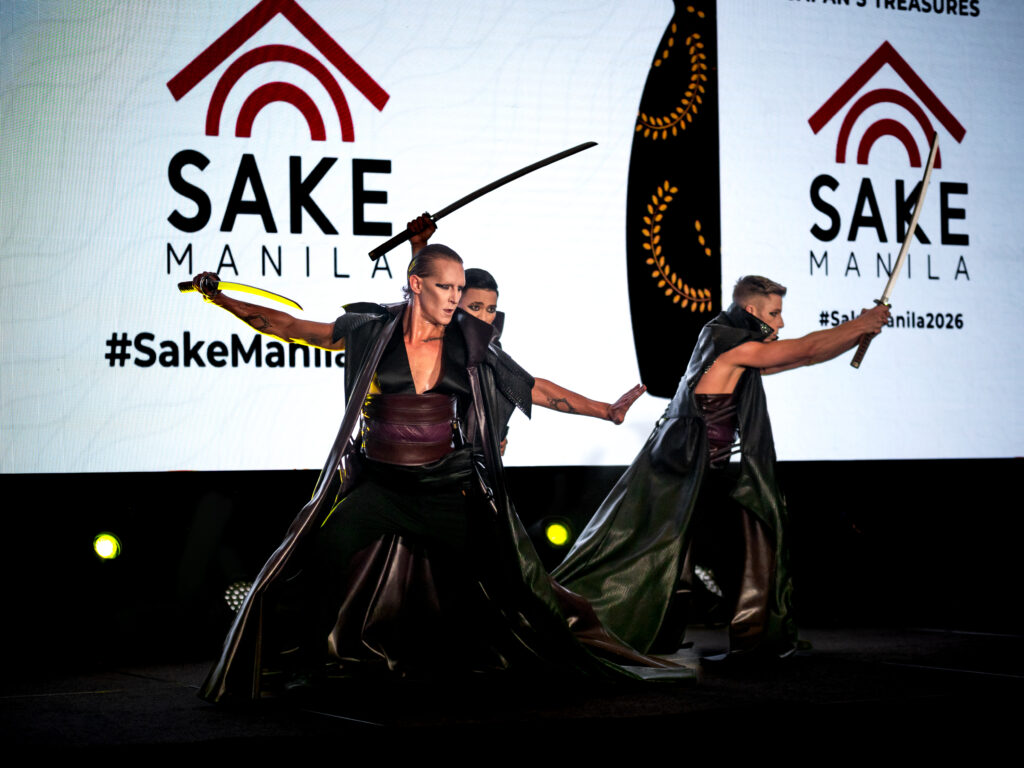
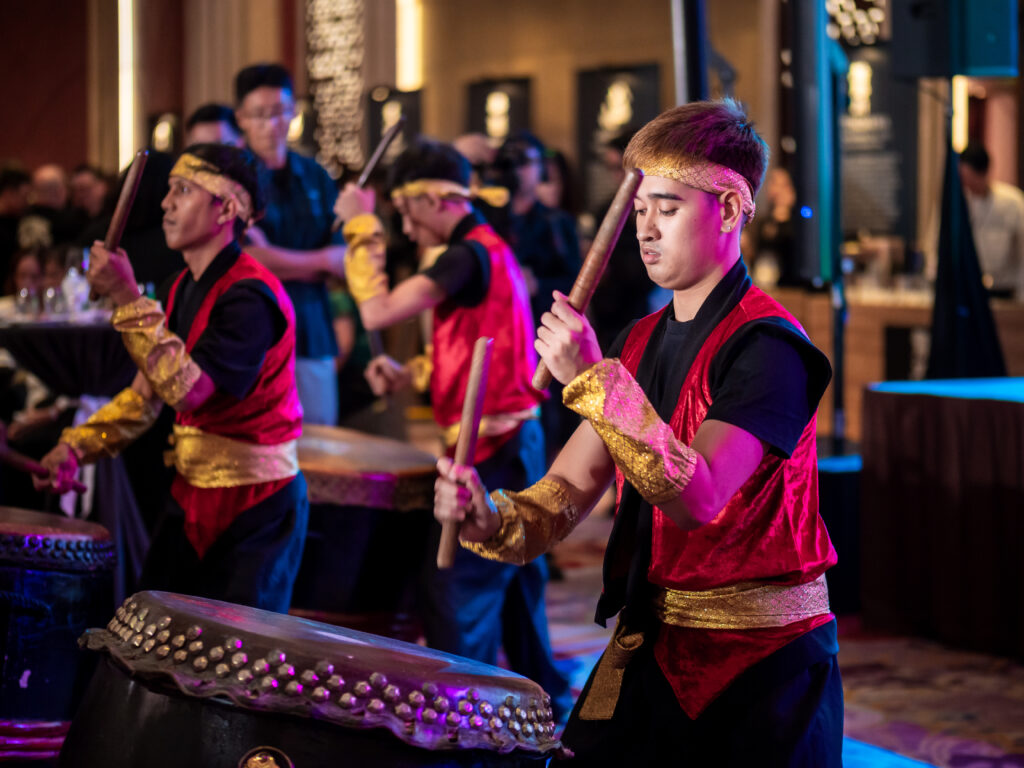
At first glance, the Grand Ballroom may seem no more than an expansive tasting floor, buzzing with conversation, clinking glasses, and bright lights. But closer scrutiny shows that it’s laid out intently, like a circuit. Food anchors the center; sake, whisky, shochu, craft beers, and more radiate outward. There’s no prescribed route, though, so you drift—looping, doubling back, pausing where curiosity lands.
By the later hours, the circuit feels increasingly fluid, and the boundaries between setups dissolve almost entirely. You’re no longer thinking in booths or stations but in textures, temperatures, and regions. Sampling becomes comparison, comparison becomes recognition, and recognition becomes preference. It’s subtle: the lessons aren’t spelled out—they’re absorbed almost imperceptibly. But they stick, shaping the way you approach every pour as the night unfolds.
Who’s in the room matters as much as what’s in the glass
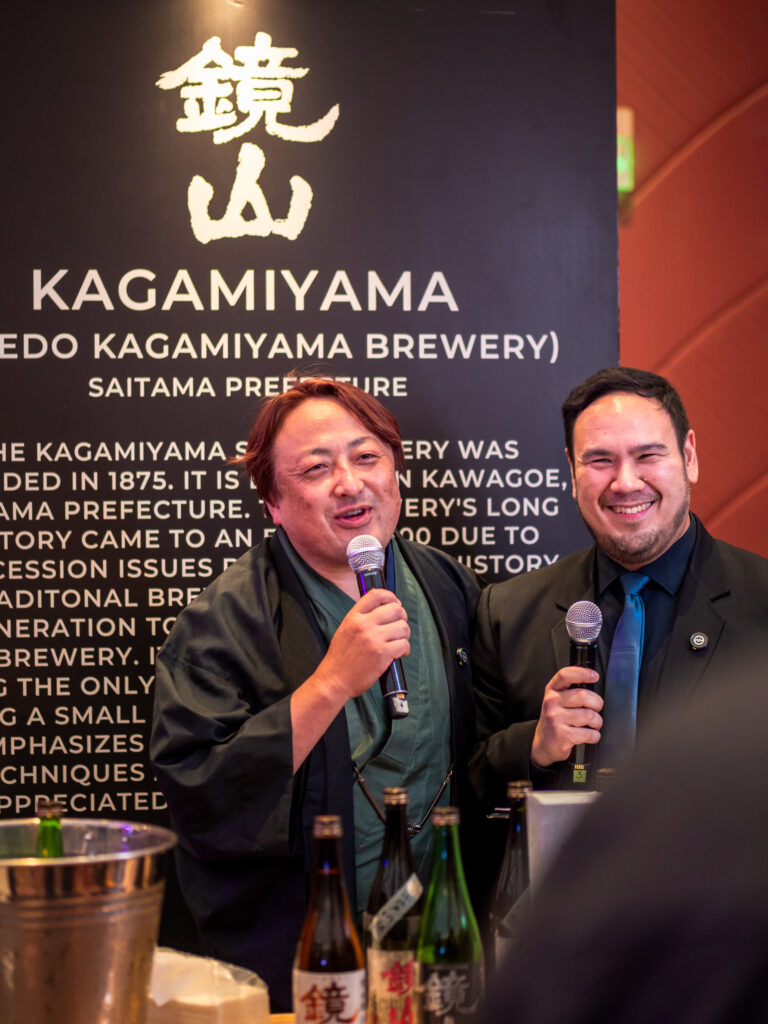
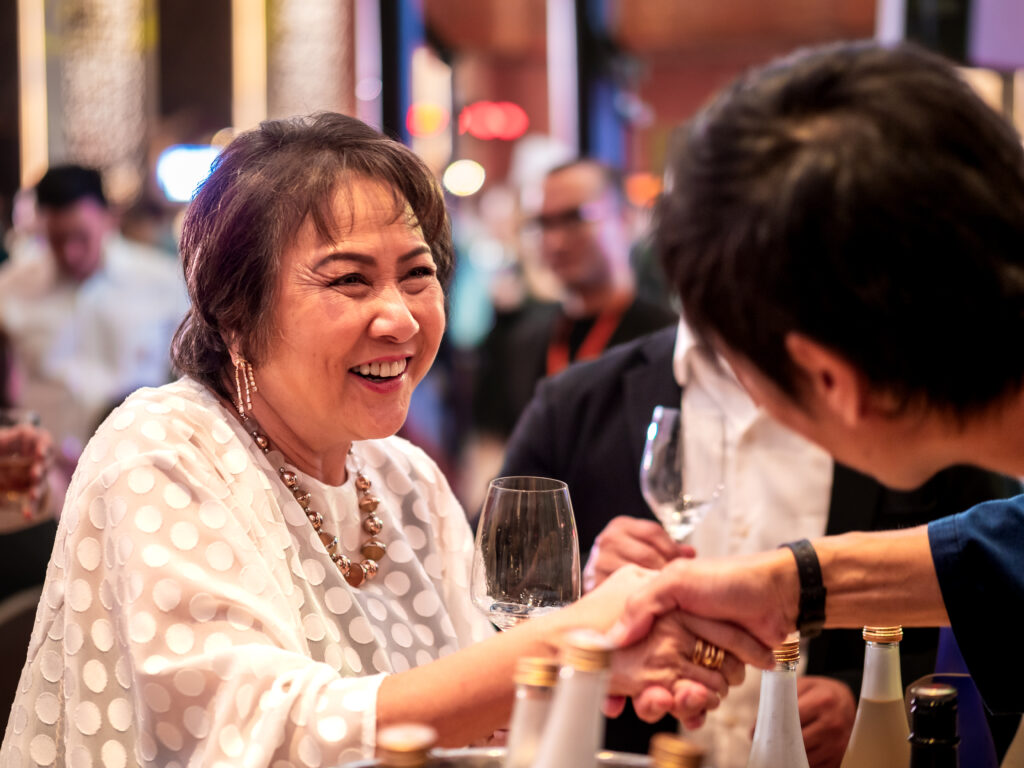
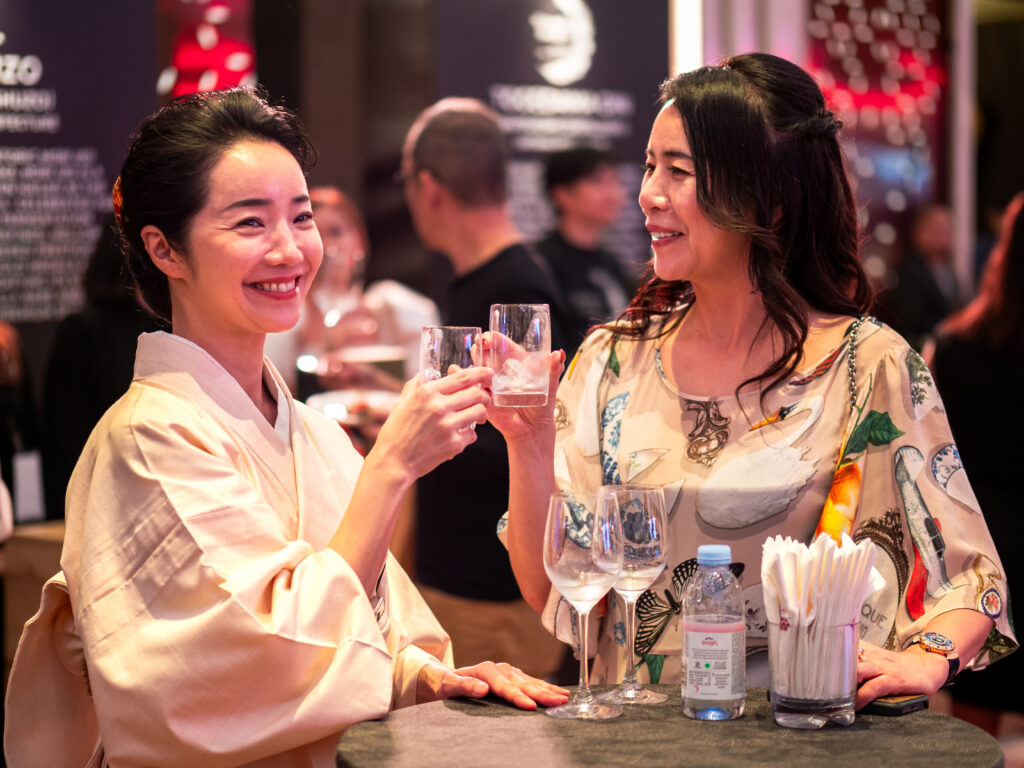
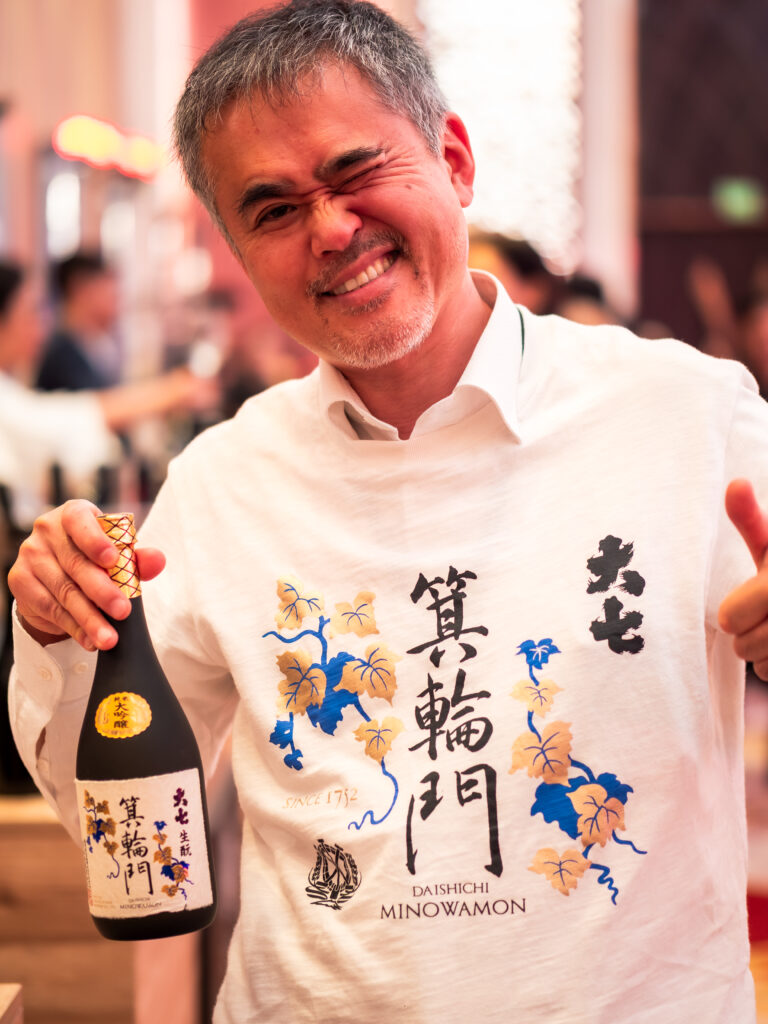
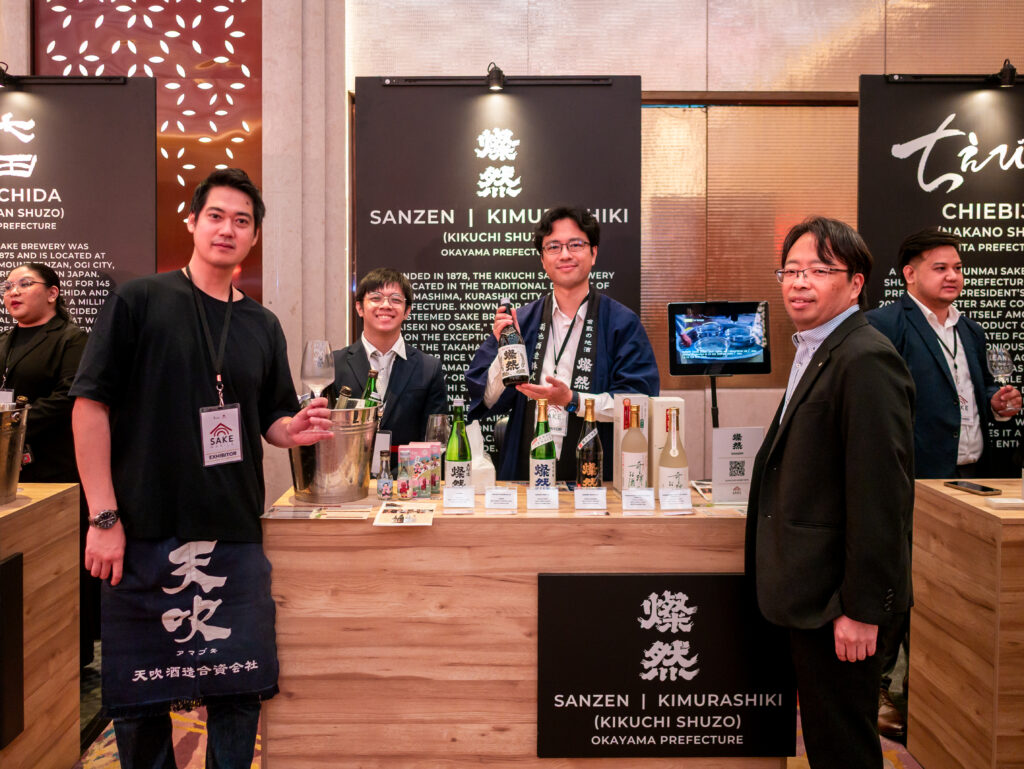
The energy of Sake Manila isn’t just in the pours, however—it’s in the people behind them. Japanese brewmasters and sake makers chat with guests, breaking down techniques, and giving a peek behind the scenes of their craft. Some of them have samples of the rice they use, as well as snapshots of their sakaguras (sake breweries). All of them come with perspective and passion to impart. They share stories of fermentation, the nuances of brewing, and the traditions that shape their work, helping visitors understand why each region’s sake has its own distinct character and flavor profile.
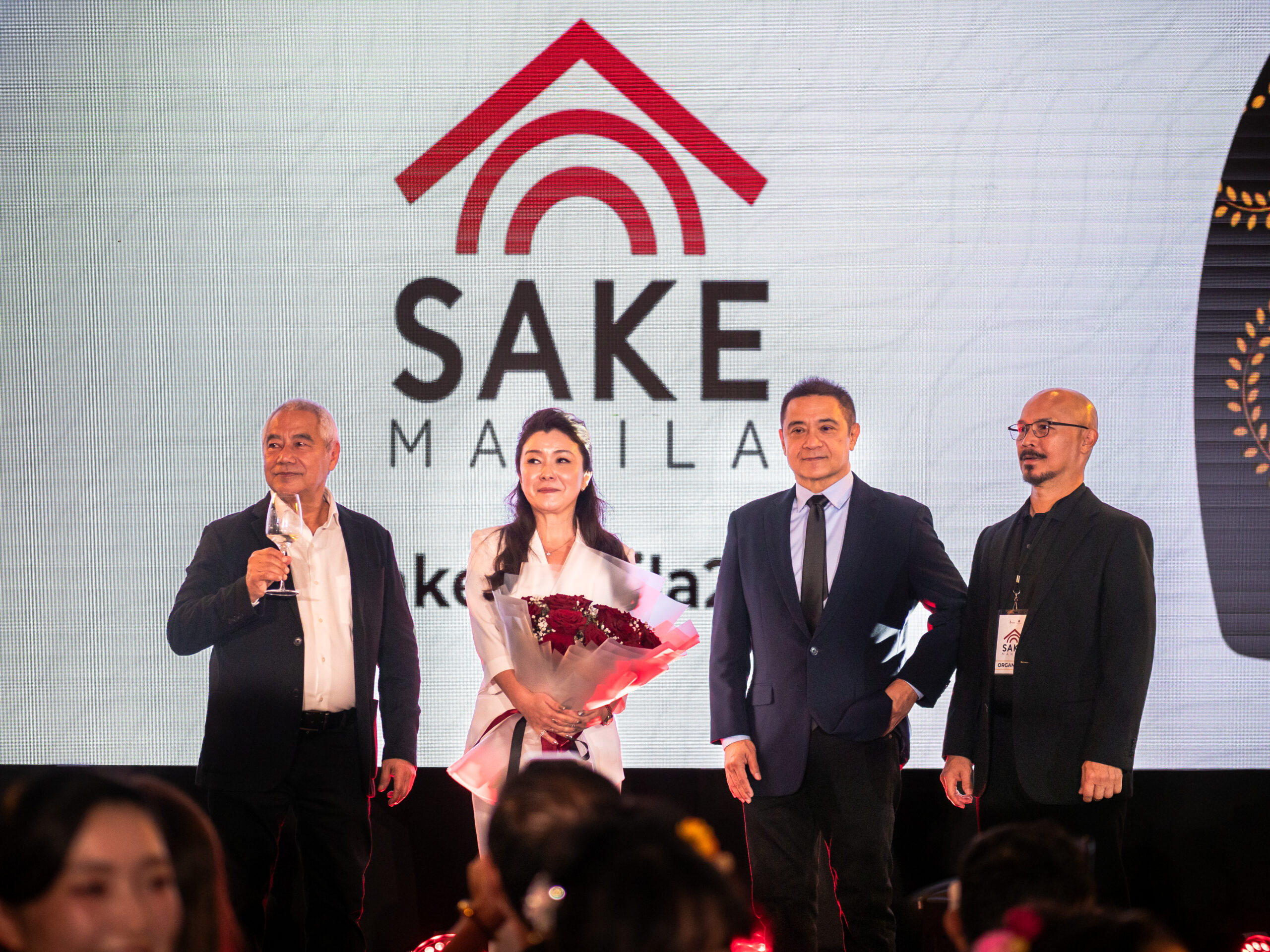
Equally present—and just as hands-on—are the members of the Joseph family. Brothers Ralph, Raymond, and Ronnie; Ida Manalo-Joseph, wife of PWM’s eldest founding brother, the late Robert Joseph; and Robi Joseph, the event’s host, move through the ballroom, while other members of the Joseph family—including spouses and the younger generation—help tend the booths and oversee various activities. They pause to greet guests, answer questions, offer tips, and share their own stories of discovery. Their presence transforms what could have otherwise been a simple tasting into a guided exploration, rich with insider insight. The family’s warmth and expertise create a welcoming atmosphere, reminding everyone that Sake Manila isn’t about high-brow pretense or intimidation—it’s about learning, exploring, and enjoying sake together.
The wider Philippine Wine Merchants (PWM) team is just as engaged—attentive, knowledgeable, and constantly at the ready to guide, inform, and assist guests as they navigate the evening.
In all, the Joseph family and the PWM and Okada teams function with remarkable precision, orchestrating a sprawling, high-energy event without sacrificing the gregariousness, generosity, and genuine omotenashi hospitality that keep people coming back year after year.
Okada Manila’s pivotal influence
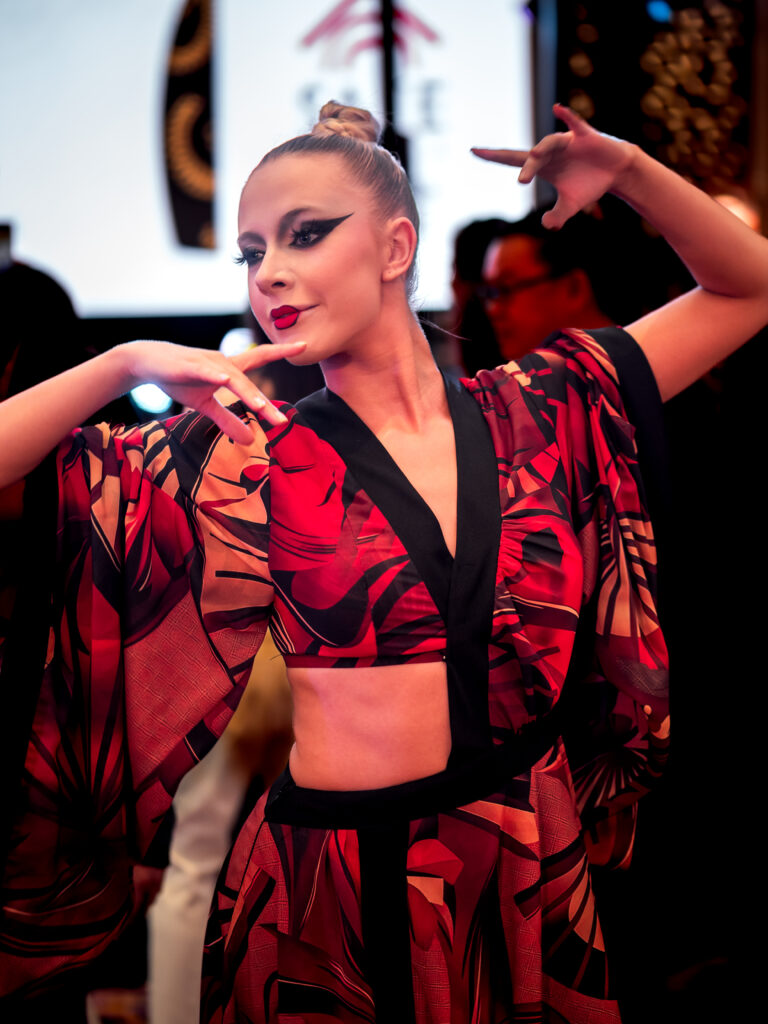
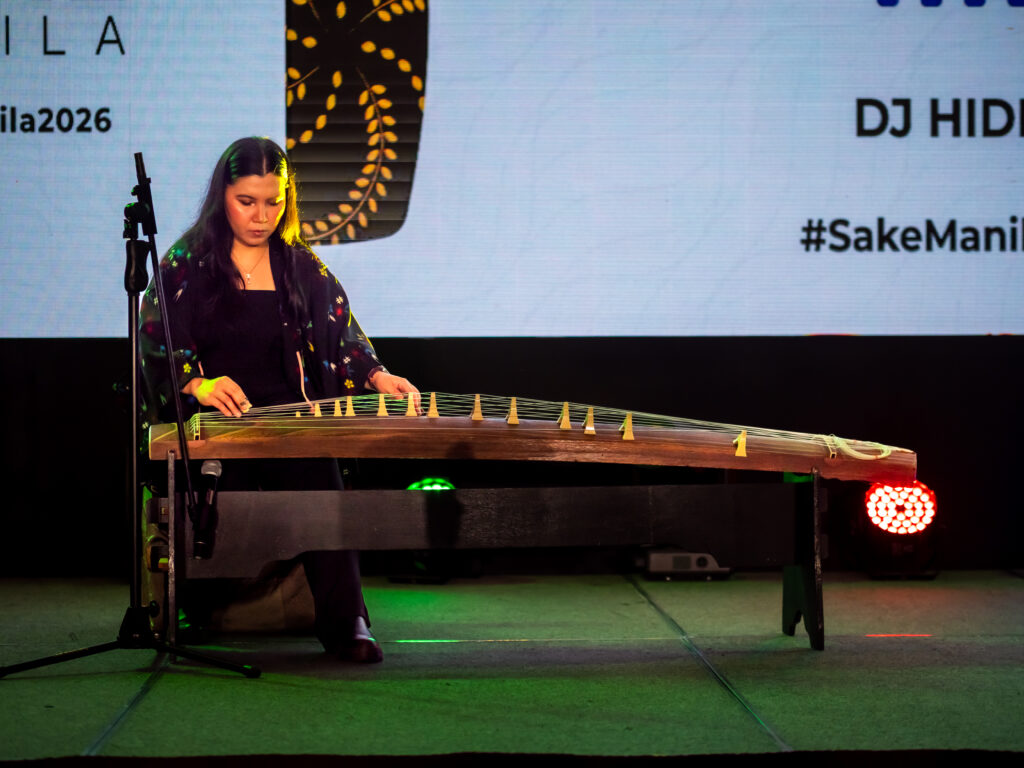
When it comes to the Japanese brand of wholehearted hospitality, the heart of omotenashi, the partnership with Okada Manila is certainly not just logistical—it shapes the tone of the entire event. Takako Okada, Vice Chairperson of Okada Manila, has played a consistent role in supporting Japanese cultural programming within the property, ensuring that authenticity isn’t diluted as the event scales.
That commitment matters, and is something PWM clearly holds in great regard. Okada Manila’s involvement allows Sake Manila to retain its cultural specificity, even as it grows in size and ambition. As Raymond pointed out, “Sake Manila is about bringing Japan’s finest closer to Manila—creating an experience people can truly enjoy, appreciate, and remember.”
The cultural shift happening in real time
What becomes clear over the course of the night is that Manila’s drinking culture has shifted. Guests aren’t just drinking for novelty anymore. They’re identifying styles, comparing producers, and talking about sake with actual intent. That said, if novelty is where some people still start, that’s perfectly fine—many do. Everyone begins somewhere, and at Sake Manila, discovery is still the much-encouraged entry point.
By the end of the evening, lo and behold, you’re not just tasting—you’re classifying, remembering, and, without trying too hard, learning.
Why I’ll be back for next year’s Sake Manila
Sake Manila 2026 reaffirmed what regulars already know: this is no longer just an event—it’s part of Manila’s cultural calendar. Rare imports sit beside approachable bottles. Structured tastings coexist with spontaneous discovery. And somehow, it never feels overwhelming when you stop trying to win it.
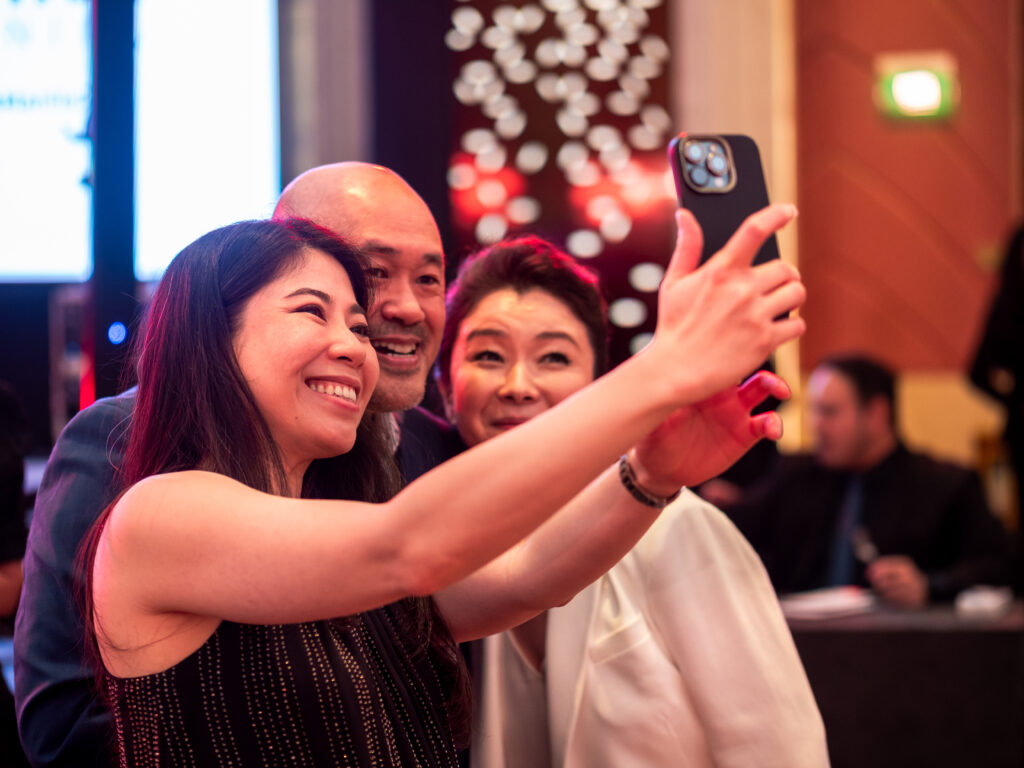
Most importantly, there’s fun to be had—loads of it. Brewers are enthusiastic and entirely engaging, chefs are precise without being precocious, and guests share a sense of excitement and eagerness that make the room feel so alive. The vibe is infectious!
This is Sake Manila: a night where slowing down is the real strategy, curiosity pays off, and—as Raymond himself likes to say to anyone who asks—the best sake is still the one in your glass and on your lips. Kanpai!
#PhilippineWineMerchants
#PWM
#SakeManila2026
#SakeFestival
#JapaneseCulture
#ManilaEvents
#OkadaManila
#SakeExperience
#FoodAndDrinkFestival
#SakePairings
#ExpatPH
#ExpatPhilippines