






This stunning body of work—a blend of heritage, culture, and collaboration— from one of the Philippines’ most iconic designers is poised to take customary Filipino fashion to the global stage
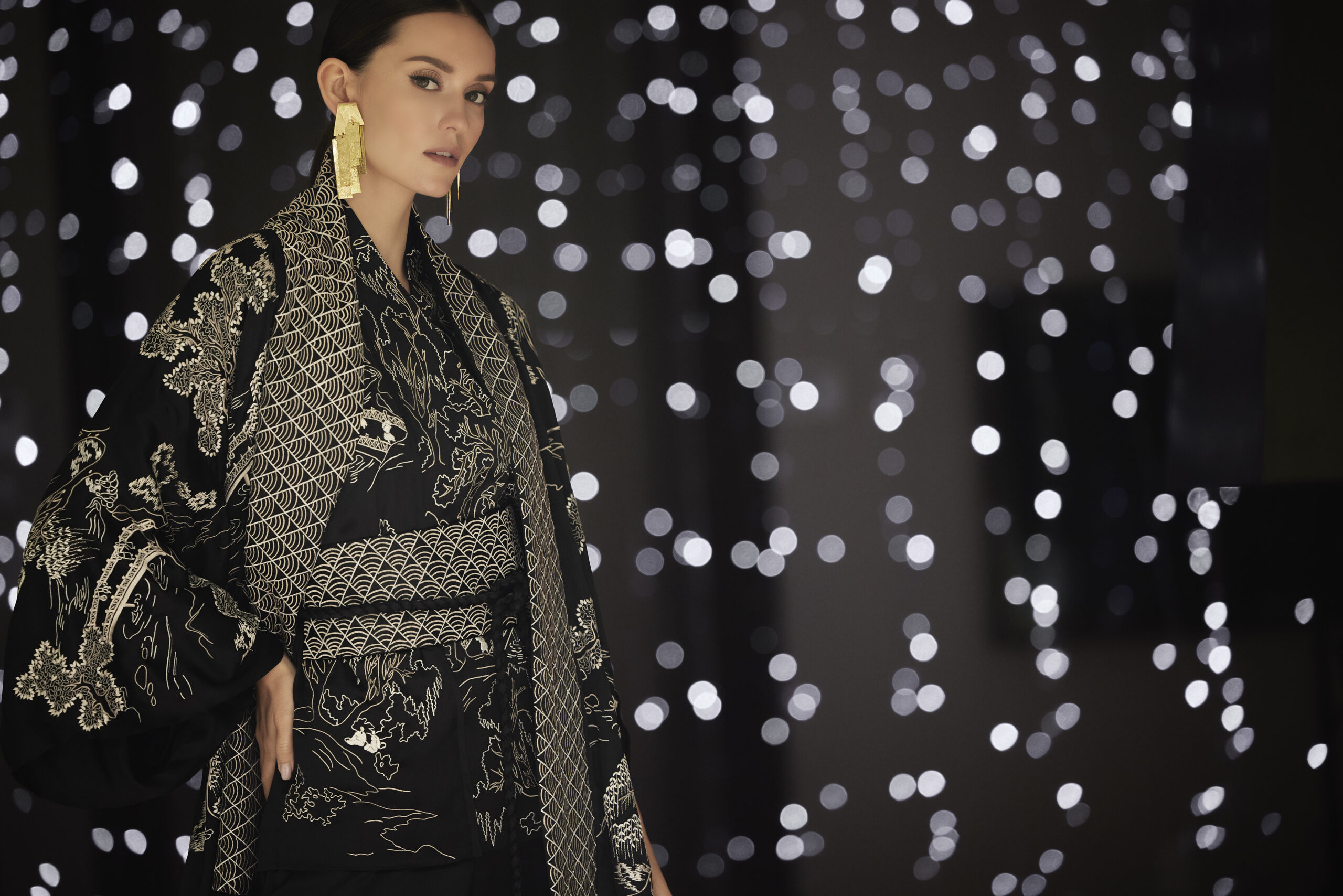
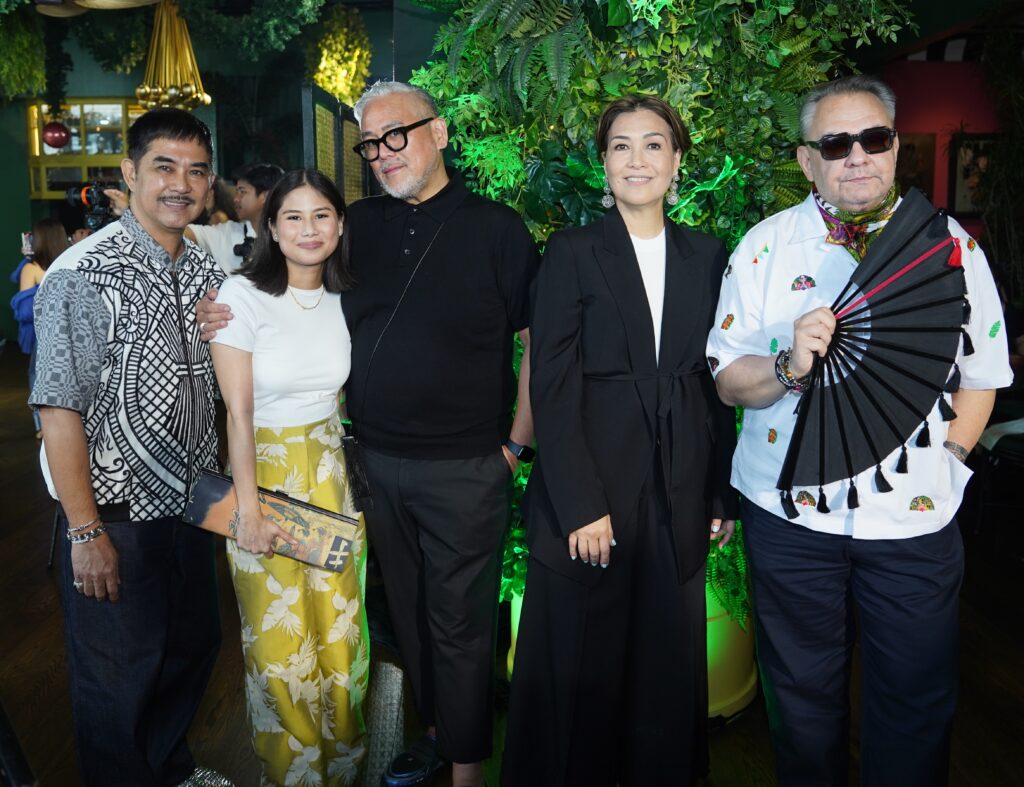
In December 2025, I had the privilege of attending the press launch of Rajo Laurel’s Lahi at the Manila House in Bonifacio Global City. This 30-piece couture collection, nothing short of breathtaking, is poised to make waves in the fashion world—not just here, but overseas. This isn’t just a collection; it’s a love letter to Filipino culture, crafted through Rajo’s signature lens of beauty, heritage, and innovative design.
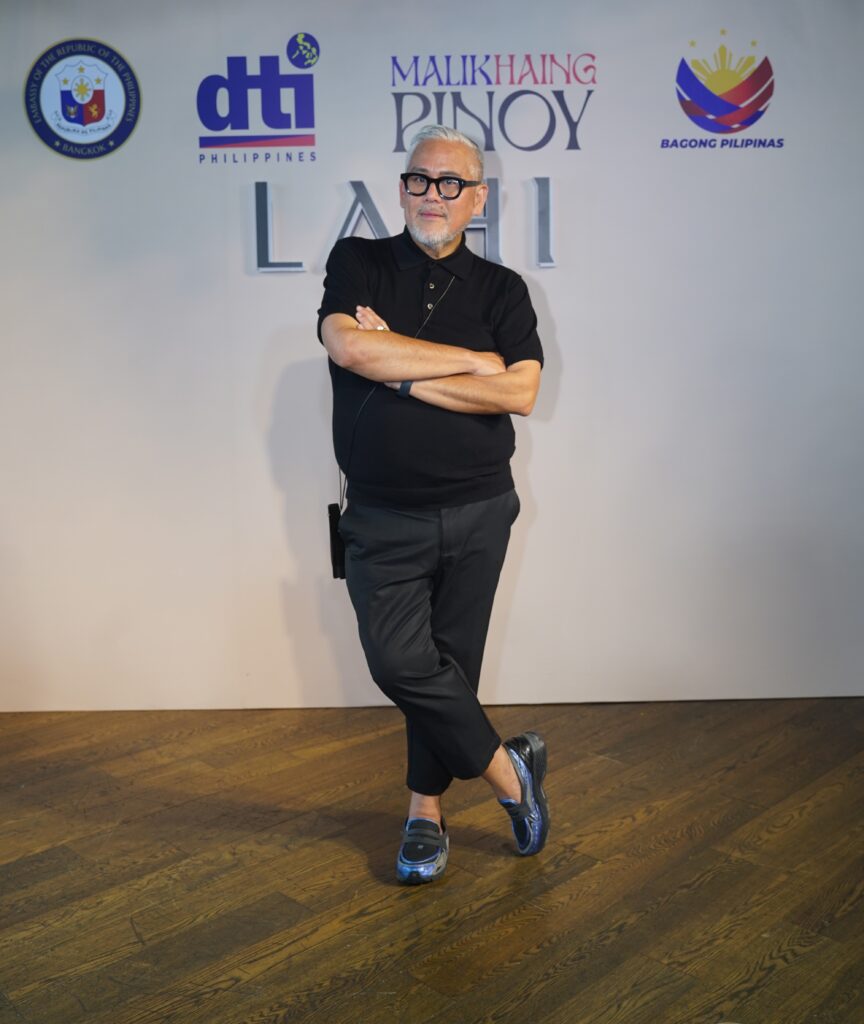
Rajo Laurel is a celebrated Filipino fashion designer known for his bold, elegant, and culturally resonant designs. With a career spanning decades, he has become one of the country’s leading names in couture, acclaimed for blending modern design with traditional Filipino artistry.
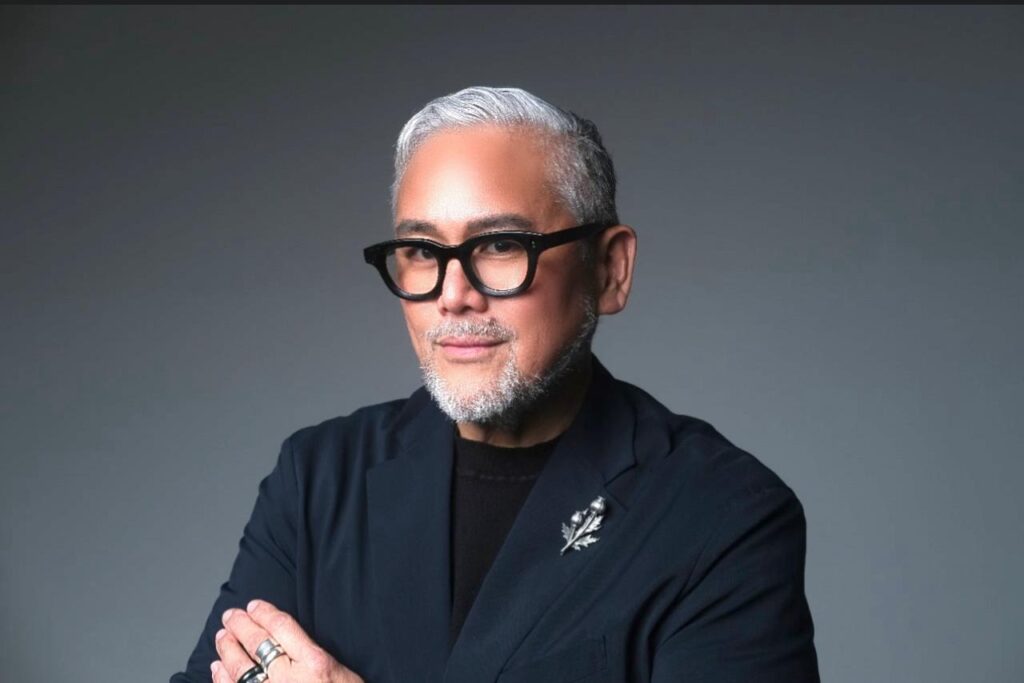
“Fashion has been my medium to understand heritage, identity, and culture—not only through materials, but through how our people interact, the values that guide us, and how these stories can remain relevant for today and for future generations,” Rajo said at the launch.
It was a powerful sentiment that truly set the tone for the big reveal—this is more than just clothing; it’s a conversation about who we are and where we’re headed as a people. In a nutshell, Lahi is the Filipino spirit beautifully woven, stitched, hemmed, and crafted into every piece.
The Big Reveal: What is “Lahi”?
Lahi—which will be officially showcased on January 30, 2026, in Bangkok, Thailand—isn’t just about couture. It’s about storytelling, about exploring Filipino identity through the lens of fashion. “Who is the Filipino?” is the question Rajo sought to answer with Lahi, using fashion as his medium to explore the complexity and beauty of local heritage.
In partnership with the Philippine Creative Industries Development Council (PCIDC) and Thailand’s Creative Economy Agency (CEA), with support from the Department of Trade and Industry (DTI), this collection will not only showcase the strength of Filipino creativity but also further solidify Filipino design’s place on the global stage.
“We were invited by the Thai government, specifically, to honor the new queen. I wanted to go to Thailand with a whole collection showcasing super talented Filipino creatives,”Rajo shared. “My clothes will be the center of the showcase, and all these fabulous designers will complement all the clothes. This is the very first time that we have this mix of younger and older creatives,” he added.
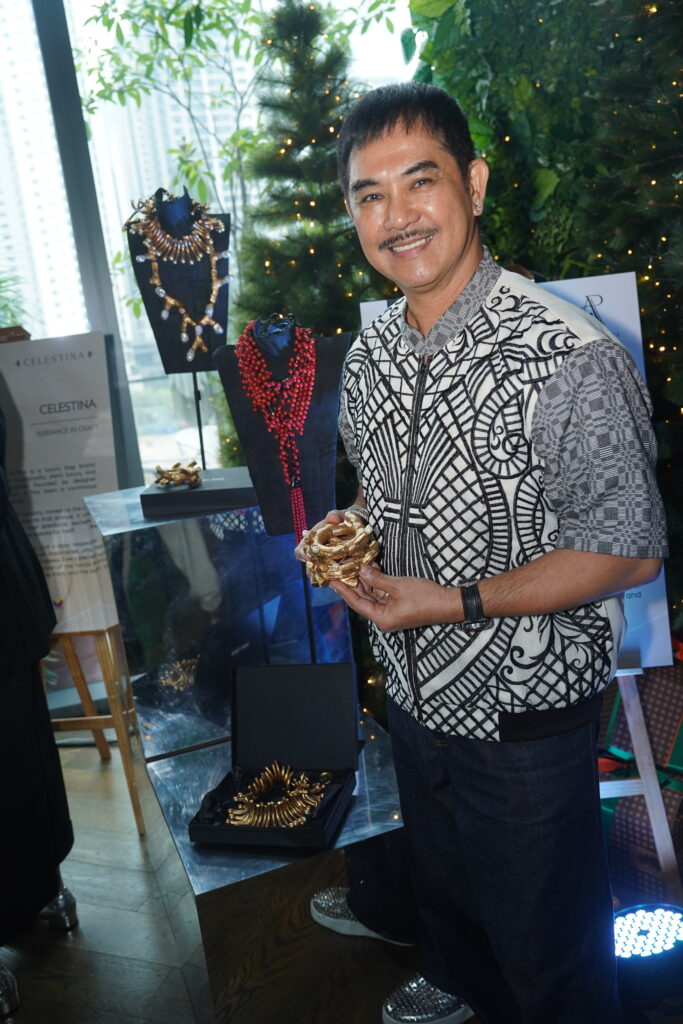
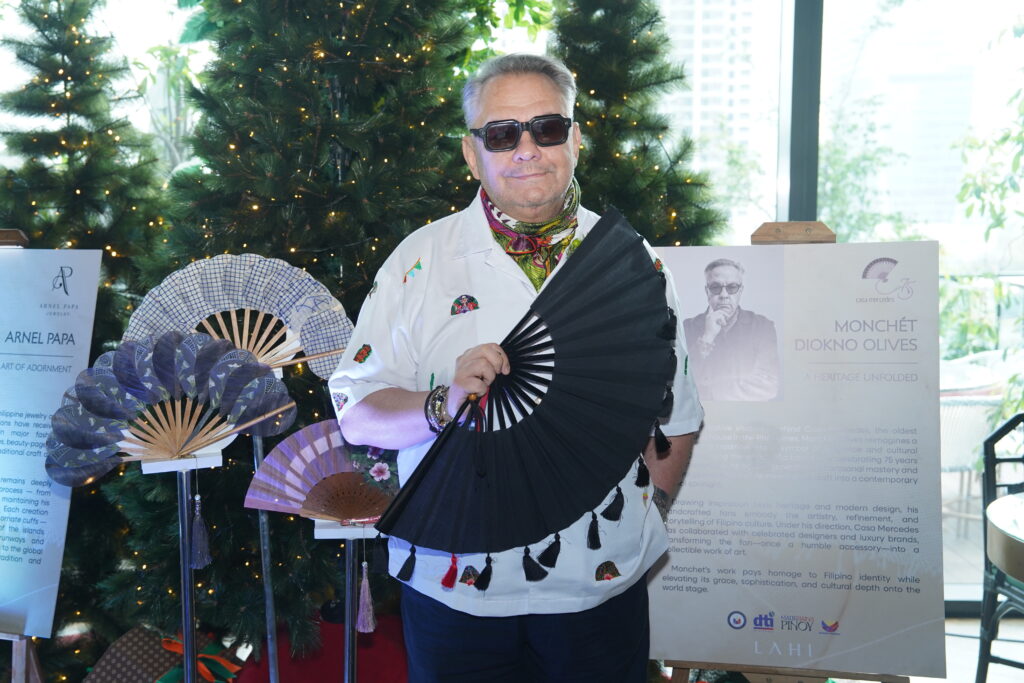
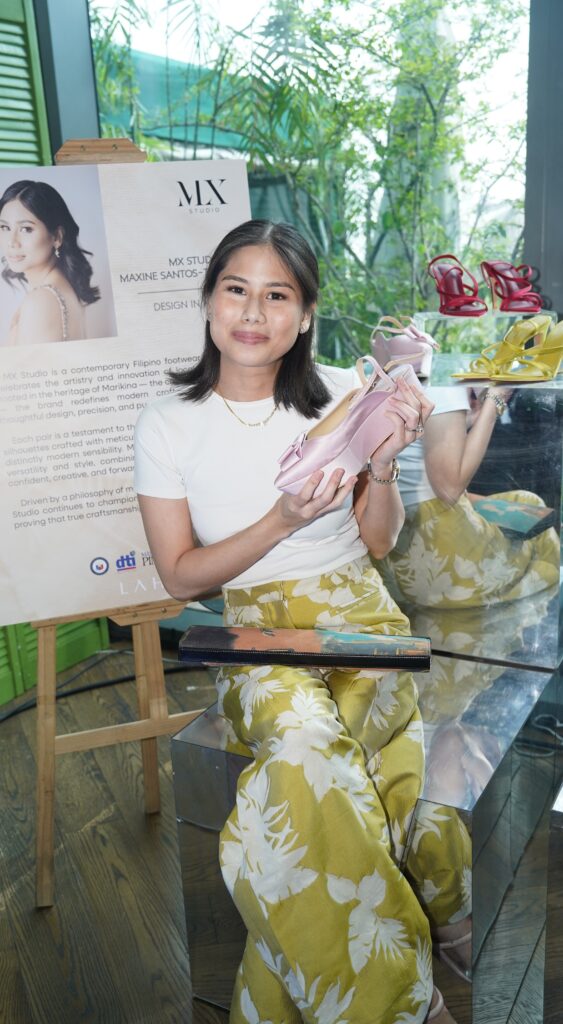
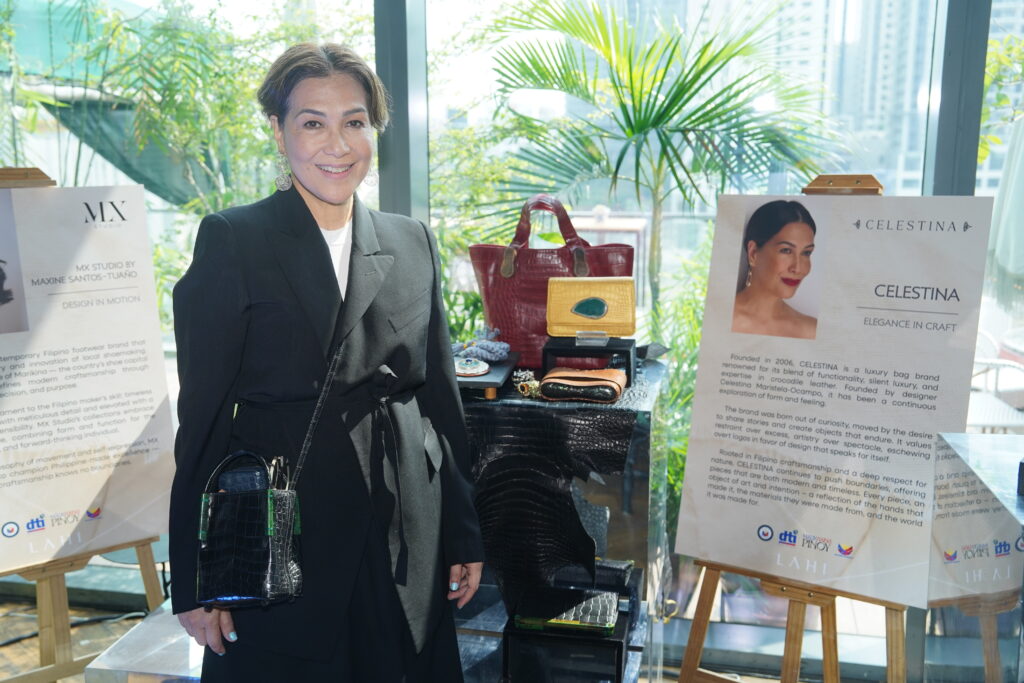
Crafted and curated through collaboration
One of the most exciting things about Lahi is its collaborative spirit. As mentioned, Rajo didn’t do this alone—he worked with some of the Philippines’ most talented artisans and designers to bring his vision to life. This is truly a story of Filipino talent, and the process was driven by the principle of Bayanihan—the spirit of working together as a community. This is what makes Lahi all the more special: the way it taps into the ethos of the Filipino community—not just in the garments and ensembles themselves, but in the joint effort behind them.
The collection features works from Filipino creatives such as Arnel Papa, Monchét Diokno Olives of Casa de la Mercedes, Cholo Ayuyao, Celestina Maristela Ocampo, and Maxine Santos Tuaño of MX Studios. Together, they’ve created a collection that’s not just beautiful but also meaningful. As Rajo underscored: “Lahi is a storyboard of Philippine fashion developed through collaboration. There is strength in creating a point of view together with other Filipino creatives.”
Heritage meets high fashion
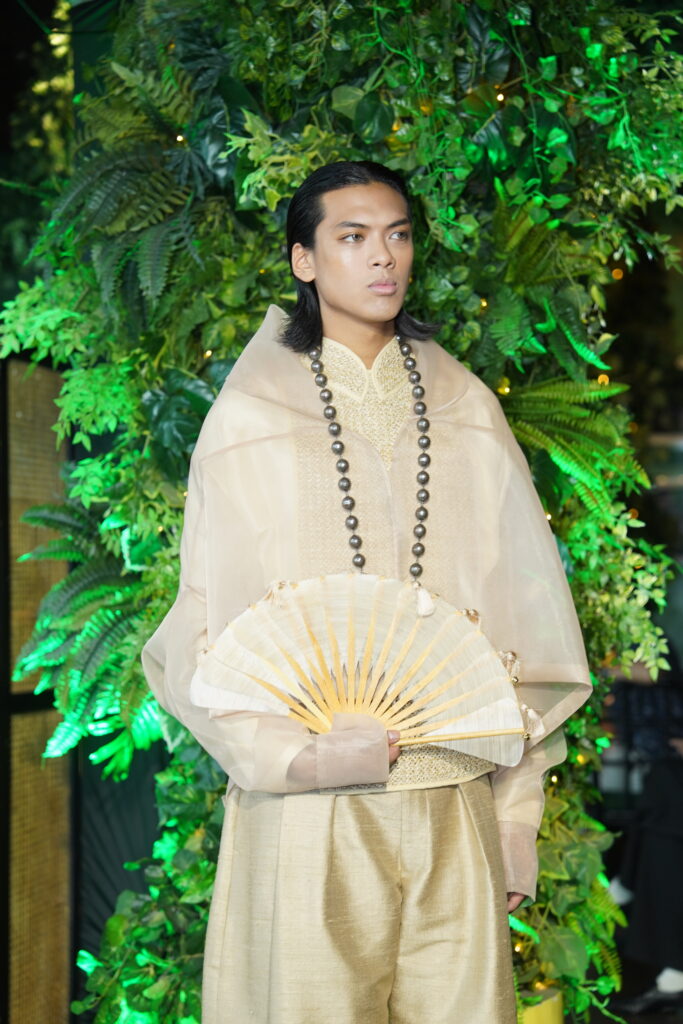
From “Ang Bagong Barong” to “Paradiso”, Lahi is both celebration and commemoration of the Philippines’ diverse cultural heritage, reimagined through the lens of contemporary fashion.
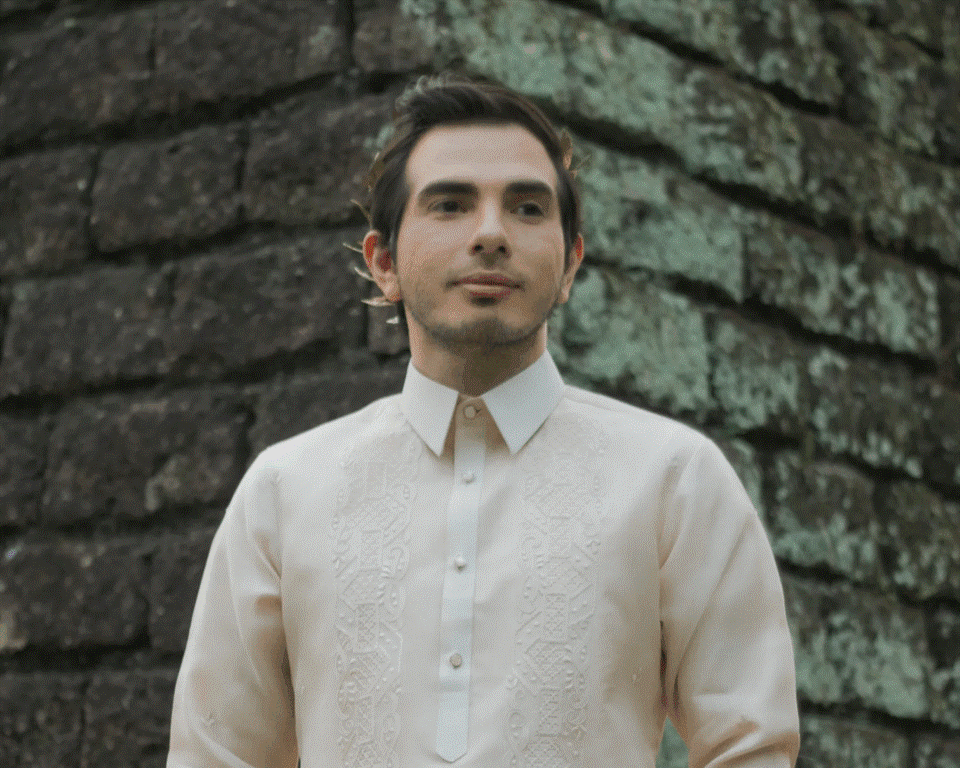
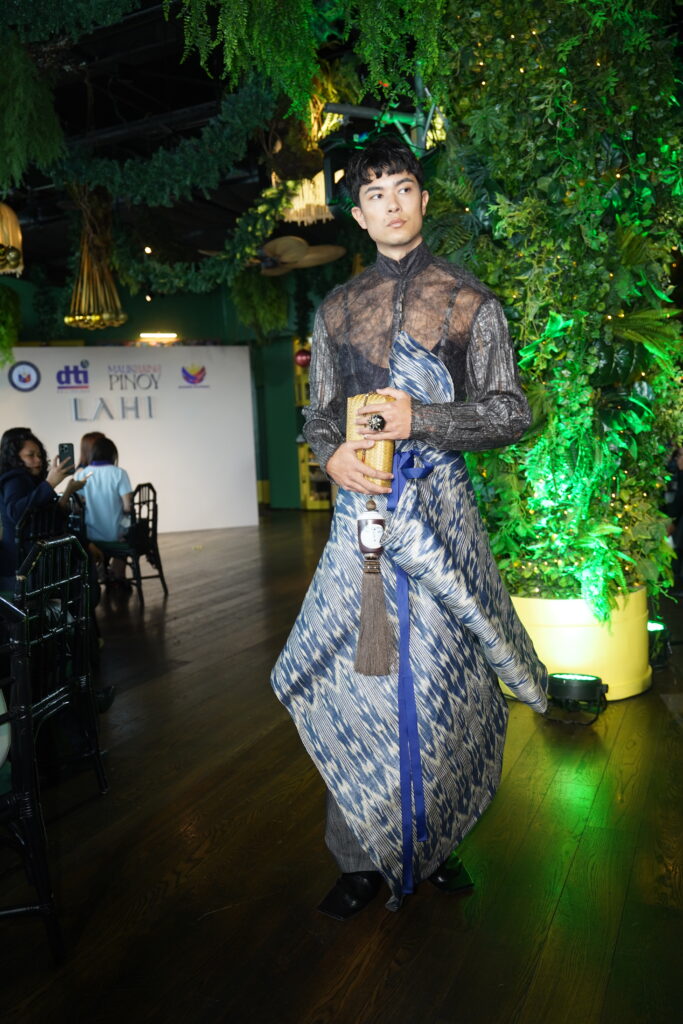
“Ang Bagong Barong” is a fresh take on the Barong Tagalog, incorporating jusi, raw silk, and farmer-inspired silhouettes with jute bibs. A necklace by Celestina and handmade and abaniko by Monchét Diokno Olives complete the ensemble.
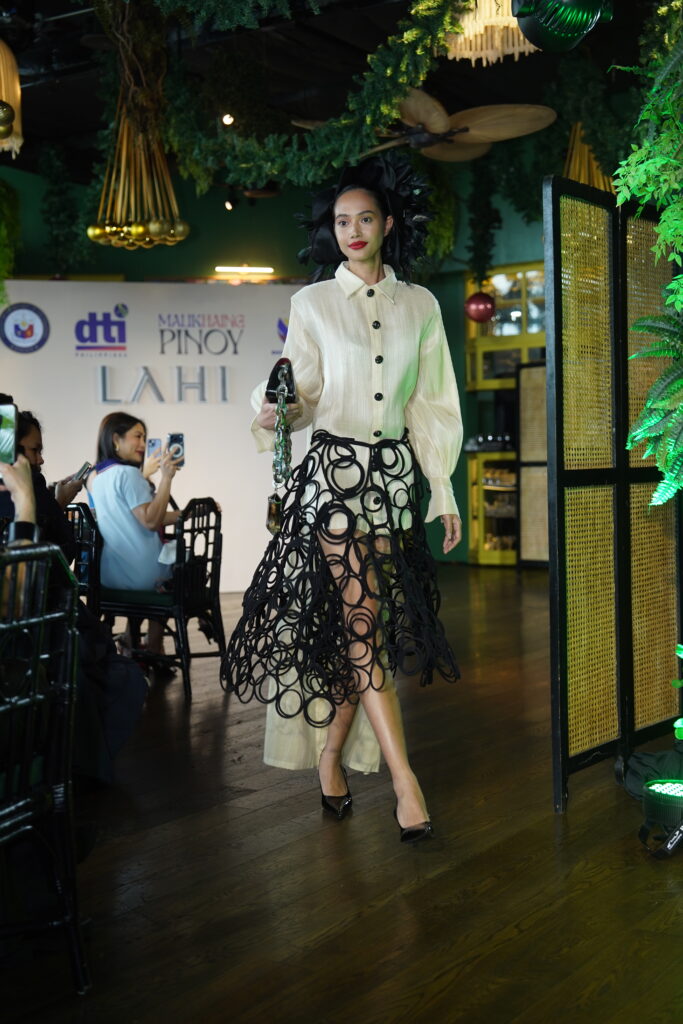
The “Manileña” piece certainly captured my full attention—this modern take on the barong Tagalog is a perfect blend of tradition and innovation, embodying Rajo’s philosophy: we can honor our roots while moving forward with bold new designs. The striking ensemble is a nod to Rajo’s beloved mother; specifically, to the crisp white blouses and very interesting skirts she would wear to work. The skirt—“Doodle”—was likewise inspired by Rajo’s doodles and represents the oft-chaotic city. The outfit features stunning accessories created by Cholo Ayuyao and Casa Mercedes, which elevate the entire look with exquisite craftsmanship.
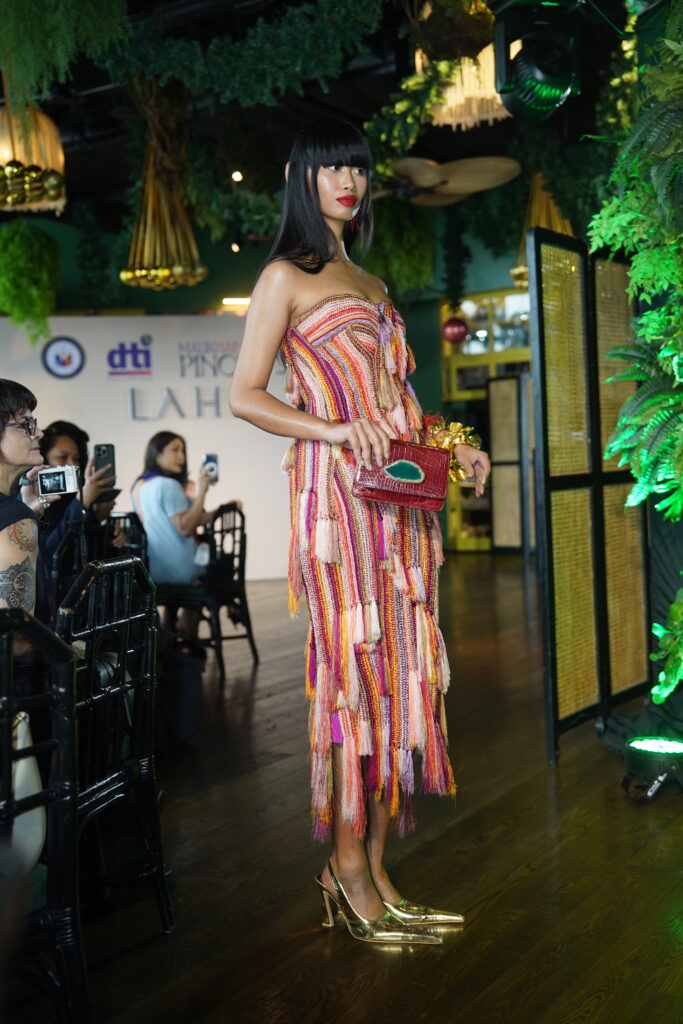
“Ugnayan” is an archival piece Rajo made in 2017, for his 25th anniversary gala, inspired by a trip to Baguio for a project with world-renowned weaver Narda Capuyan. The fabric features a weave akin to friendship bracelets, symbolizing the communal work it takes to weave the fabric. This outfit brings together the Mountain Province‘s earthy hues and storytelling through weaving techniques. It is paired with a crocodile bag by Celestina.
Then there’s “Datu”, which pulls from the T’boli tribe’s heritage. This piece is a blend of paper silk and ramie linen trousers and the traditional malong, accented with a tampipi from Benguet and a giant bead tassel from Dumaguete—exemplifying the cultural depth and bold beauty of indigenous materials.
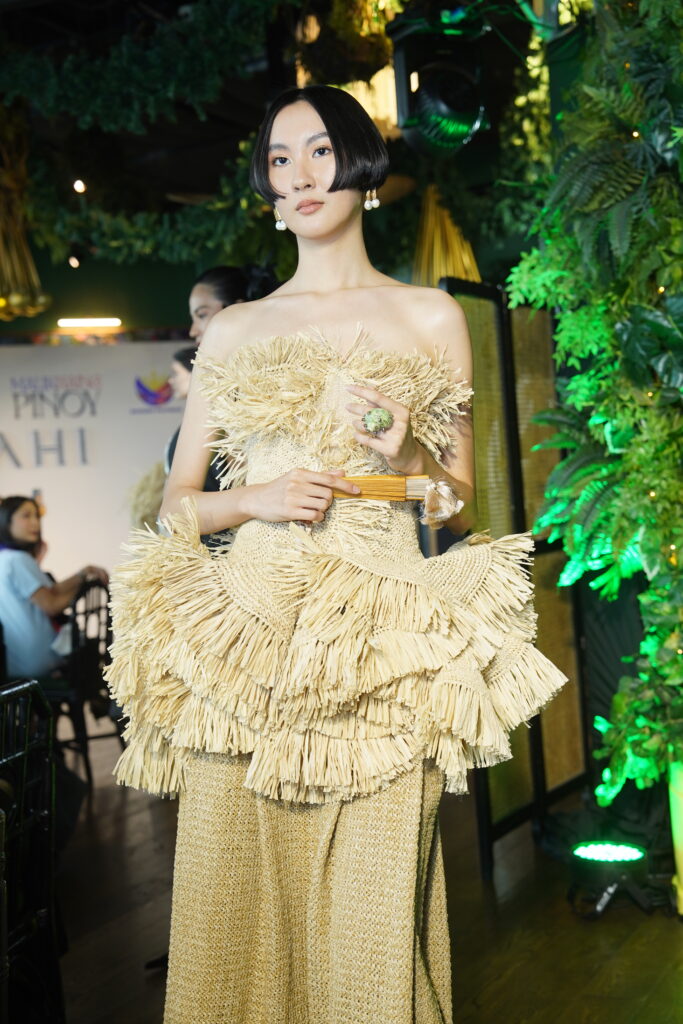
“Kadayawan,” inspired by Mindanao’s festive celebrations, features a bodice made of hand-woven straw from Sorsogon and cropped culottes using a jute-inspired weaving technique, made from rayon and silk woven in Ilocos, highlighting regional weaving traditions. Earrings by Arnel Papa and a fan by Casa Mercedes complement this gorgeous look.
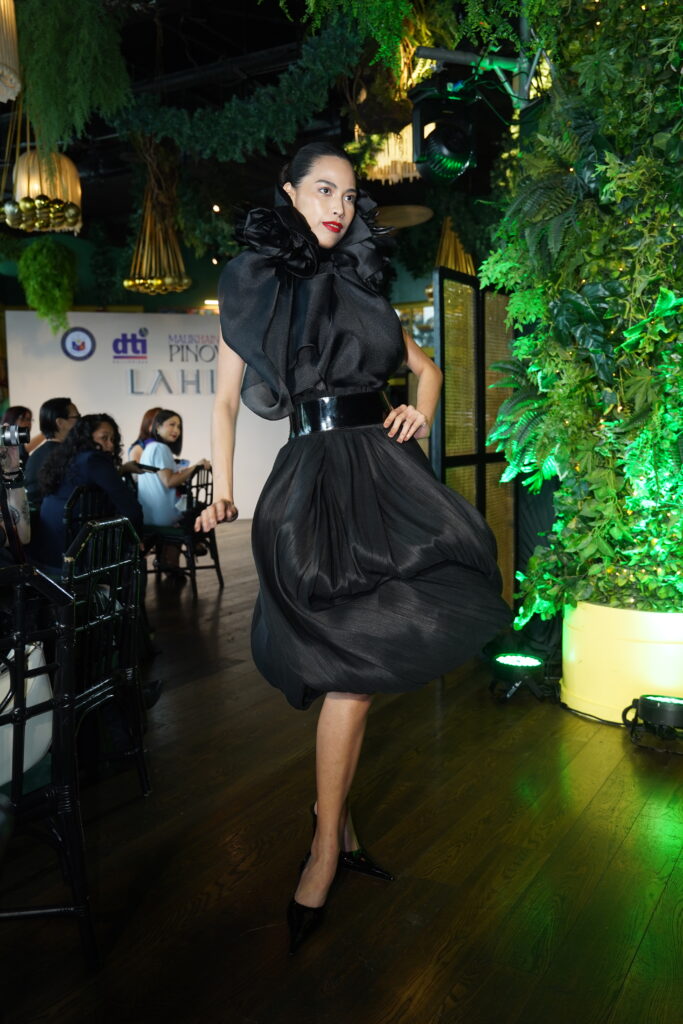
“Mestiza” reinterprets the traditional pañuelo and camisa/blusa ensemble, featuring Iloilo’s woven jusi and Abra’s raw silk and abaca. The skirt is accented by black silk royal blooms and coq feathers, created in Pampanga by Cholo Ayuyao—a true testament to Filipino craftsmanship.
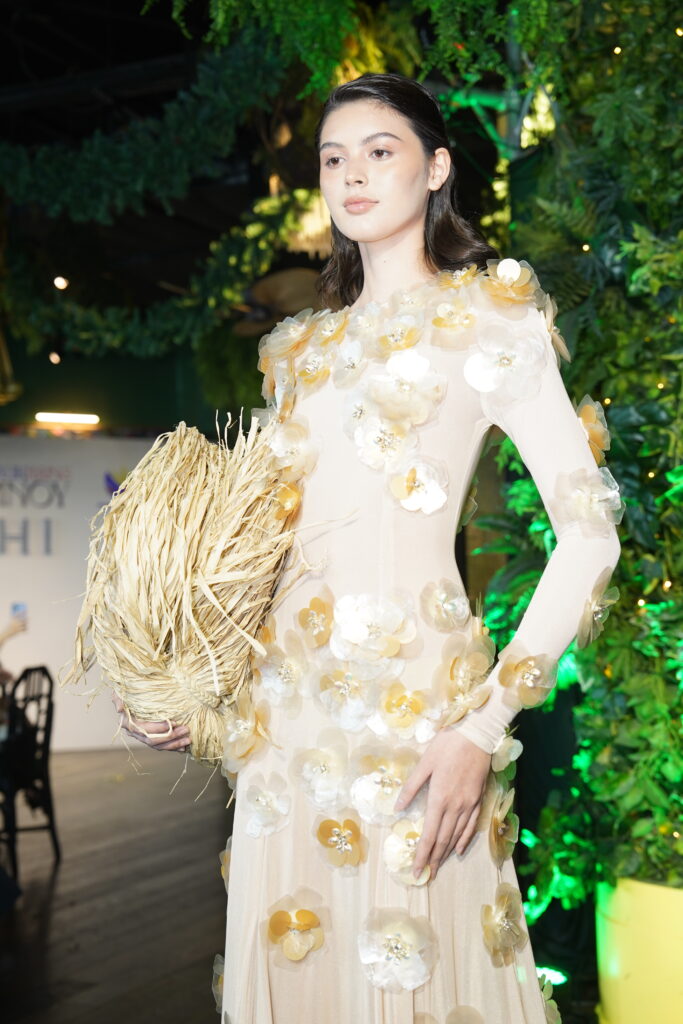
The show-stopping finale, the “Paradiso” gown—a collaborative piece with Arnel Papa—brings Palawan’s natural beauty to life through the use of pearls from the globally acclaimed island paradise and capiz shells from Bacolod. An oversized raffia straw clutch (which Rajo sourced from Quiapo in downtown Manila) lends an eye-catching ethereal effect.
The fabulous future of Filipino couture
As the press launch wrapped up, the energy in the room was undeniable. If there’s one thing that’s clear, it’s that Lahi is only the beginning. Rajo has created something that not only celebrates the past but also sets the stage for a bold future in Filipino fashion. This collection proves that we don’t have to choose between tradition and modernity—we can have both, and that’s what makes Lahi so exciting.
As Rajo aptly put it, “Being Filipino can mean many things. There is no single definition of our culture. With Lahi, my perspective bridges who we are and who we can become. Understanding our roots empowers the future.”
For those lucky enough to catch the live show in Bangkok at the end of this month: prepare to witness a Filipino fashion revolution that’s bound to leave the world in awe. And for the rest of us, we’ll be cheering from home, proud of our heritage, and even prouder of the incredible talent bringing our culture to life on the world stage.
#RajoLaurel
#RajoLaurelLahi
House of Laurel
#Lahi
DTI Malikhaing Pinoy
#MalikhaingPinoy
#WeAreACreativeNation
#SupportFilipinoCreatives
#TheFutureIsCreative
#CultureAndCouture
#GlobalStage
#ExpatPH
#ExpatPhilippines